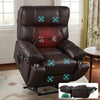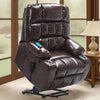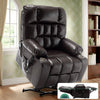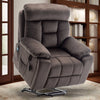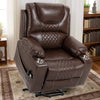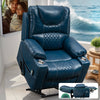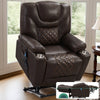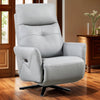


Understanding the Role of Twin Motors in Power Lift Chairs
The Fundamentals of Power Lift Chair Mechanisms
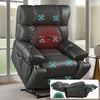
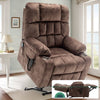
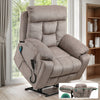
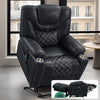
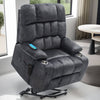
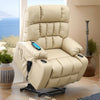
Power lift chairs are designed to help people stand up or sit down easily. They use motors to move the chair.

A basic lift chair has one motor. It moves the whole chair at once. But twin motor systems are different.
They have two motors working together. This allows for more precise control. One motor can move the back of
the chair. The other can move the footrest. This setup gives users more options for comfort and support.
Advantages of Twin Motor Systems in Lift Chairs
Twin motors offer several benefits over single motor systems. They allow for more positions and movements.
Users can adjust the backrest and footrest separately. This means better support for different body parts.
It's great for people with specific health needs. Twin motors also provide smoother transitions between positions.
This reduces strain on the body. They offer more customization options too. Users can find their perfect comfort
level more easily. Twin motors make lift chairs more versatile and user-friendly.
The Importance of Reliable Motor Functionality in Safety
Safety is crucial in power lift chairs. Reliable motors play a big role in this. Twin motors must work well
together. If one fails, it could cause discomfort or even injury. Good motors ensure smooth, steady movements.
This prevents jerky motions that might scare or hurt users. Reliable motors also last longer. This means fewer
repairs and less downtime. It's important for motors to have safety features too. These might include
automatic shut-offs or backup power systems. All these factors help keep users safe and comfortable.
Implementing Twin Motors in the Design and Manufacturing Process
Technological Innovations in Power Lift Chair Development
The lift chair industry is always improving. New tech makes chairs more comfy and useful. Smart controls are

a big trend. They let users save favorite positions. Some chairs now connect to phones or home systems. This
allows for voice control or remote adjustments. Better materials are being used too. They make chairs lighter
but still strong. Some new chairs have built-in massage features. Others include heating elements for extra comfort.
These innovations make lift chairs more than just mobility aids. They're becoming part of smart home setups.
Challenges in Integrating Twin Motors into Lift Chairs
Adding twin motors to lift chairs isn't easy. It takes careful planning and design. One challenge is space.
Two motors need more room than one. This can make chairs bulky. Designers must find ways to keep chairs compact.
Another issue is power use. Two motors need more energy. This can drain batteries faster in portable models.
Cost is also a factor. Twin motor systems are more expensive. This can raise the price of the final product.
Balancing these factors is tricky. Manufacturers must meet user needs without making chairs too pricey.
Quality Control and Testing for Twin Motor Systems
Quality control is vital for twin motor lift chairs. Each motor must work perfectly on its own and together.
Testing starts during production. Motors are checked for power and smoothness. They're tested for durability too.
This includes running them for long periods. Chairs go through stress tests to ensure they're safe. This might
involve repeated lifting with different weights. Software that controls the motors is also tested. It must
respond quickly and accurately. Final products are checked to make sure all parts work well together.
Future Trends and Developments in Power Lift Chairs
Innovations in Lift Chair Technologies and Features
The future of lift chairs looks exciting. We might see more eco-friendly designs. This could include
using sustainable materials or more efficient motors. Artificial intelligence could play a bigger role.
Chairs might learn user preferences over time. They could adjust automatically for comfort. Virtual reality
tech might be used in high-end models. This could offer immersive experiences while sitting. More health
features are likely too. Chairs might track vital signs or remind users to move. The goal is to make lift
chairs smarter and more helpful for daily living.
Regulatory Impact on Power Lift Chair Manufacturing
Regulations play a big role in lift chair production. Safety standards are always evolving. This affects
how chairs are made and tested. New rules might focus on electrical safety or fire resistance. There could
be stricter guidelines for weight limits and stability. Environmental regulations might change too. This
could push makers to use greener materials or production methods. Healthcare policies also matter. Changes
in insurance coverage can affect demand for certain features. Manufacturers must stay updated on these rules.
They need to adapt their designs and processes to stay compliant.
Anticipating the Next Generation of Power Lift Chairs
The next gen of lift chairs will likely be more advanced. We might see chairs that adapt to different rooms.
They could change settings based on lighting or time of day. Integration with smart homes will probably grow.
Chairs could work with other devices for better health monitoring. Battery tech might improve a lot. This
could mean longer-lasting portable chairs. We might also see more customization options. Chairs could be
tailored to specific medical conditions. The focus will be on making chairs that fit seamlessly into users' lives.
They'll aim to provide comfort, health benefits, and independence in one package.