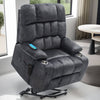


Understanding the Importance of Ergonomics in Senior Mobility
Evaluating Wheelchair Ergonomics: Factors to Consider
When choosing a wheelchair for seniors, ergonomics play a crucial role. It's not just about mobility; it's about comfort and health. Key factors to consider include:

- Seat design and cushioning
- Backrest support and adjustability
- Armrest positioning and padding
- Footrest placement and adjustability
- Overall weight distribution
A well-designed wheelchair can prevent pressure sores, reduce fatigue, and improve posture. It's important to look for chairs that offer customizable features. This allows for a more personalized fit, which is essential for long-term comfort and health.
The Role of Ergonomics in Maintaining Independence
Ergonomic wheelchairs can significantly enhance a senior's independence. They make daily tasks easier and more comfortable. This includes:
- Easier transfers in and out of the chair
- Better maneuverability in tight spaces
- Reduced strain during self-propelling
- Improved posture for eating, reading, or engaging in hobbies
By reducing physical strain, ergonomic wheelchairs help seniors conserve energy. This allows them to stay active and engaged for longer periods. It's not just about moving from point A to B. It's about maintaining quality of life and independence.
Identifying Ergonomic Wheelchairs: What to Look For
When shopping for an ergonomic wheelchair, keep an eye out for these features:
- Adjustable seat depth and width
- Tilt-in-space functionality
- Pressure-relieving cushions
- Ergonomic push handles for caregivers
- Breathable, moisture-wicking materials
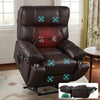
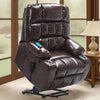
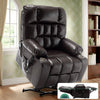
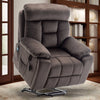
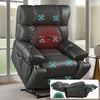
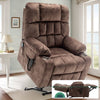
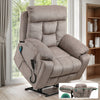
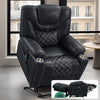
Look for chairs that offer a range of adjustments. This ensures the wheelchair can be fine-tuned to the user's body. Some advanced models even offer lay-flat recliner options. These can be beneficial for seniors who need to rest or change positions frequently.
Key Considerations When Selecting a Wheelchair for Seniors
Assessing the Senior's Mobility Needs
Choosing the right wheelchair starts with a thorough assessment of the senior's needs. Consider:

- The level of mobility and strength
- Any specific medical conditions or physical limitations
- The primary environments where the wheelchair will be used
- The need for specialized features like oxygen tank holders
It's often helpful to consult with a healthcare professional or occupational therapist. They can provide valuable insights into the most suitable options. Remember, the goal is to find a chair that enhances mobility and quality of life.
The Impact of Material and Design on Comfort and Performance
The materials used in wheelchair construction greatly affect comfort and usability. Look for:
- Lightweight yet durable frames (aluminum or titanium)
- Breathable, easy-to-clean upholstery
- High-quality, long-lasting wheels and casters
Design elements also play a crucial role. Features like swing-away footrests or flip-up armrests can make transfers easier. Foldable designs are great for transport and storage. Some chairs even offer lay-flat recliner options for added comfort.
Personal Preferences and Lifestyle: Adapting to Individual Needs
Every senior has unique preferences and lifestyle needs. Consider factors such as:
- Color and style preferences
- The need for accessories like cup holders or storage bags
- Compatibility with home furniture and doorways
- Ease of maintenance and cleaning
Some seniors may prefer a sporty look, while others want something more traditional. The wheelchair should fit seamlessly into the user's daily life. It should enable, not hinder, their regular activities and routines.
Navigating the Market: Buying Tips for Seniors' Wheelchairs
Certifications and Standards in Wheelchair Manufacturing
When shopping for a wheelchair, look for certifications that ensure quality and safety. Key standards include:

- ISO 7176: International standards for wheelchair testing
- FDA approval for medical devices
- CE marking for products sold in the European Economic Area
These certifications indicate that the wheelchair has undergone rigorous testing. They ensure the chair meets specific safety and performance standards. Always check for these certifications when considering a purchase.
The Top Wheelchair Brands for Seniors in the United States
Several brands are known for their quality and ergonomic designs. Some top choices include:
- Invacare: Known for versatile and customizable options
- Sunrise Medical: Offers a range of lightweight and adjustable chairs
- Pride Mobility: Specializes in power wheelchairs with advanced features
- Karman Healthcare: Focuses on ergonomic, lightweight designs
These brands often offer models with lay-flat recliner options. This feature can be particularly beneficial for seniors who need to change positions frequently. Always read reviews and compare features before making a decision.
Tips for Purchasing Wheelchairs: What to Avoid
When buying a wheelchair for a senior, avoid these common pitfalls:
- Choosing based on price alone: The cheapest option isn't always the best value
- Ignoring weight capacity: Ensure the chair can support the user's weight comfortably
- Overlooking adjustability: Fixed designs may not accommodate changing needs
- Neglecting to test: Always try before you buy, if possible
- Forgetting about maintenance: Consider the long-term care requirements
Also, be wary of sellers who push unnecessary features or upsells. Focus on the senior's specific needs and prioritize comfort and functionality. Remember, the right wheelchair can significantly enhance a senior's quality of life. It's worth taking the time to find the perfect fit.