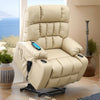


The Evolution of Compact Living: Adaptable Furniture Solutions
Understanding the Constraints of Small Spaces
Living in small spaces poses unique challenges. Every inch counts, and making the most of limited square footage is crucial. Compact homes require clever solutions to maximize space and functionality. Residents often struggle with storage, seating, and sleeping arrangements. Multi-purpose furniture becomes essential in these tight quarters. It allows for flexibility and helps create a more open, uncluttered environment. Understanding these constraints is the first step in finding effective solutions for small-space living.

The Rise of Multi-Functional Furniture
Multi-functional furniture has become increasingly popular in recent years. These versatile pieces serve multiple purposes, saving space and money. Examples include:
- Sofa beds that transform into sleeping areas
- Ottoman storage units that double as seating
- Dining tables with built-in storage compartments
- Wall-mounted desks that fold away when not in use
This trend reflects a growing need for adaptable living spaces. As urban populations rise, homes are getting smaller. Multi-functional furniture offers a smart way to make the most of limited space. It allows for easy transitions between different activities throughout the day.
The Mid-Century Aesthetic in Modern Living
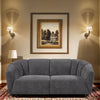
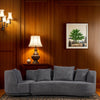
Mid-century design has made a strong comeback in modern interiors. Its clean lines and minimalist approach work well in small spaces. The style emphasizes functionality without sacrificing aesthetics. Mid-century furniture often features:
- Tapered legs that create a sense of openness
- Sleek profiles that don't overwhelm small rooms
- Natural materials like wood and leather
- Bold, geometric patterns that add visual interest
This aesthetic complements the needs of compact living. It offers both style and practicality, making it ideal for multi-functional pieces. Mid-century inspired furniture can help create a cohesive look in small spaces.
Selecting the Perfect Power Lift Recliner for Your Space
Key Considerations When Buying a Recliner
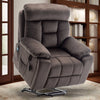
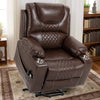
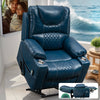
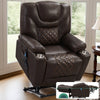
When choosing a power lift recliner, several factors come into play. First, consider the size of your space and the recliner's dimensions. Ensure it fits comfortably without overwhelming the room. Look at the recliner's weight capacity to ensure it meets your needs. Think about the upholstery material - is it durable and easy to clean? Check the reclining positions available. Some offer multiple settings for maximum comfort. Don't forget to assess the power mechanism. Is it smooth and quiet? These considerations will help you find the right recliner for your home.

How to Measure for the Ideal Power Lift Recliner
Proper measurement is crucial when selecting a power lift recliner. Start by measuring the available space in your room. Allow for at least 1-2 feet of clearance behind the chair for reclining. Measure the width of doorways to ensure the recliner can be delivered. Consider the height of the seat - it should allow you to sit with your feet flat on the floor. Measure the distance from the wall to where you want the front of the chair. This will help determine the right size for your space. Accurate measurements prevent buying a recliner that's too big or small for your room.
Navigating the Features and Options of Power Lift Recliners
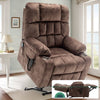
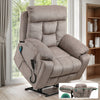
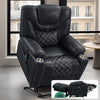
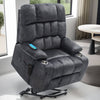
Power lift recliners come with various features to enhance comfort and convenience. Some common options include:
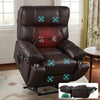
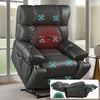
- Heat and massage functions
- USB charging ports
- Cup holders and storage compartments
- Remote controls for easy operation
- Different fabric and color choices
Consider which features are most important to you. Some recliners offer programmable settings for personalized comfort. Others have battery backup systems for power outages. Look for models with smooth, quiet motors for a peaceful experience. Choose features that align with your lifestyle and needs. Remember, more features often mean a higher price tag.
Integrating Power Lift Recliners into Various Decor Styles
The Versatility of Mid-Century Design in Living Rooms
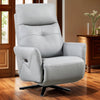
Mid-century design elements can beautifully complement power lift recliners in living rooms. The clean lines and simple forms of this style work well with the functional nature of recliners. Choose a recliner with tapered legs and a sleek silhouette to match mid-century aesthetics. Pair it with:

- A low-profile coffee table
- Geometric patterned rugs or pillows
- Sculptural floor lamps
- Wall art featuring bold, abstract designs
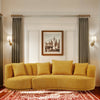
The key is to balance the recliner's bulk with lighter, more streamlined pieces. This creates a cohesive look that doesn't feel cramped or cluttered. Mid-century inspired colors like mustard yellow or teal can add a pop of interest to neutral recliners.
Incorporating Recliners into Vacation Homes and Apartments
Power lift recliners can be great additions to vacation homes and apartments. In these spaces, comfort and functionality are key. Choose a compact model that doesn't overwhelm smaller rooms. Look for neutral colors that can blend with various decor styles. In vacation homes, consider recliners with easy-to-clean fabrics. For apartments, opt for models with built-in storage to maximize space. Place the recliner near a window to create a cozy reading nook. Use throw pillows and blankets to tie the recliner into the room's overall design scheme.
Innovative Uses of Recliners in Home Offices and Studies
Power lift recliners can serve multiple purposes in home offices and studies. They offer comfortable seating for long work hours and relaxation during breaks. Position the recliner near a bookshelf for a reading corner. Use a side table to hold work materials or a laptop. Consider a swivel base recliner for easy transitions between desk and relaxation. In studies, pair the recliner with a floor lamp for a cozy reading spot. For video calls, ensure the recliner is positioned with a neutral background. With creative placement, a power lift recliner can enhance both productivity and comfort in work-from-home setups.