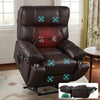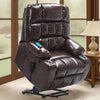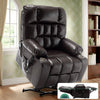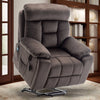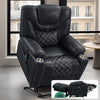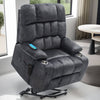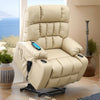


Understanding the Differences: Seat Recliners and Full-Body Recliners Explained
The Ergonomics of Seat Recliners: A Focus on Comfort and Fit
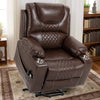
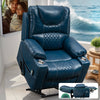
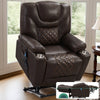
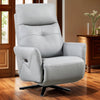
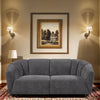
Seat recliners are designed with ergonomics in mind. They focus on providing comfort for the upper body. These chairs typically recline the backrest and raise the footrest. This design supports the natural curve of the spine.

Seat recliners often have adjustable headrests. This feature allows users to find the perfect position for their neck and head. The lumbar support in these chairs helps maintain proper posture. This can reduce back pain and discomfort during extended sitting periods.
Many seat recliners come with customizable settings. Users can adjust the recline angle to their liking. Some models even offer power recline features for easy adjustments. This makes them ideal for people who need frequent position changes.
Full-Body Recliners: A Comprehensive Look at Support and Comfort
Full-body recliners offer a more extensive reclining experience. These chairs support the entire body from head to toe. They often feature a zero-gravity position. This position elevates the legs above the heart, promoting better circulation.
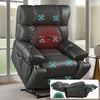
Full-body recliners distribute body weight evenly. This reduces pressure points and enhances overall comfort. Many models come with built-in massage functions. These can help relieve muscle tension and promote relaxation.
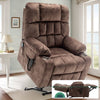
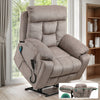
These recliners are great for those with mobility issues. They often have lift mechanisms to assist with standing up. The full-body support can be beneficial for people with chronic pain or recovering from injuries.
Key Features of Seat Recliners: What to Consider Before Purchase
When shopping for seat recliners, consider the reclining mechanism. Manual recliners are cost-effective but require some physical effort. Power recliners offer effortless adjustment but are pricier.
Look for recliners with sturdy frames and high-quality upholstery. These factors contribute to the chair's durability and longevity. Check if the recliner has a smooth and quiet operation. This is especially important if you plan to use it in shared living spaces.
Consider additional features like cup holders or storage pockets. These can enhance the functionality of your recliner. Also, pay attention to the chair's size and weight capacity. Ensure it fits your body type and available space.
Assessing Your Needs: When to Choose a Seat Recliner Over a Full-Body Recliner
Evaluating Your Body Type and Space Constraints
Your body type plays a crucial role in choosing between seat and full-body recliners. Seat recliners are often more suitable for average to tall individuals. They provide good support for the upper body and legs.

For those who are big and tall, specialized recliners are available. These offer wider seats and higher weight capacities. Full-body recliners might be more comfortable for larger individuals. They provide more comprehensive support and often have larger dimensions.
Space constraints are another important factor. Seat recliners generally have a smaller footprint. They're ideal for apartments or smaller living rooms. Full-body recliners require more space, especially when fully reclined.
Consider the room's layout and traffic flow. Ensure there's enough space around the recliner for easy movement. Measure your available space before making a purchase. This will help you choose a recliner that fits comfortably in your room.
Daily Usage and Frequency of Recline: What Matters for Longevity and Satisfaction
Think about how often you'll use the recliner. If it's for occasional relaxation, a basic seat recliner might suffice. For daily use or as a primary seating option, invest in a higher-quality model.
Consider your typical activities while seated. If you often watch TV or read, a seat recliner with good head support is ideal. For those who nap frequently, a full-body recliner might be more suitable.
The frequency of reclining also matters. If you adjust the chair often, look for durable mechanisms. Power recliners are great for frequent adjustments. They reduce wear and tear on the reclining mechanism.
Regular maintenance can extend the life of your recliner. Look for models with easy-to-clean upholstery. Consider the warranty and availability of replacement parts. These factors contribute to long-term satisfaction with your purchase.
The Impact of Recliners on Family and Guest Experiences
Think about who else might use the recliner. If it's mainly for personal use, choose based on your preferences. For shared use, consider a versatile option that suits different body types.
Seat recliners are often more aesthetically pleasing. They blend well with other furniture in living rooms. This makes them a good choice if you frequently entertain guests.
Full-body recliners can be great for movie nights or relaxing with family. They offer a more immersive relaxation experience. However, they might be less practical for social gatherings due to their size.
Consider recliners with features that enhance shared experiences. Cup holders or USB ports can be useful for family movie nights. Some models even come with built-in massagers, perfect for pampering guests.
The Ultimate Guide to Selecting Your Recliner: Tips and Best Practices
Reading Consumer Reviews: What to Look for in Recliner Quality
Consumer reviews are valuable when choosing a recliner. Look for comments about comfort and durability. Pay attention to reviews from users with similar body types or needs.

Check for feedback on the reclining mechanism's smoothness and noise level. This is especially important for bedroom recliners. Look for mentions of fabric quality and resistance to wear and tear.
Be wary of overly positive or negative reviews. Look for balanced opinions that highlight both pros and cons. Pay attention to reviews that mention long-term use. These can give insights into the recliner's durability.
Don't forget to check professional reviews as well. They often provide more technical details about construction and materials. Compare reviews from multiple sources to get a comprehensive view.
Navigating Warranty and After-Sales Services
A good warranty is crucial when investing in a recliner. Look for warranties that cover both the frame and mechanism. Check if the warranty includes labor costs for repairs.
Understand what voids the warranty. Some actions, like improper cleaning, might nullify coverage. Keep all purchase documents and warranty information in a safe place.
Inquire about the availability of repair services. Some companies offer in-home repairs, which can be very convenient. Check if replacement parts are readily available. This is important for long-term maintenance of your recliner.
Consider purchasing extended warranties for high-end recliners. These can provide peace of mind for expensive investments. Read the terms carefully to understand what's covered and for how long.
The Importance of Customer Service and Support in the Recliner Market
Good customer service can make a big difference in your recliner experience. Look for brands known for responsive and helpful customer support. Check if they offer multiple ways to contact them, like phone, email, or chat.
Consider the ease of assembly and delivery options. Some companies offer white-glove delivery and setup. This can be helpful, especially for larger full-body recliners.
Look for brands that provide clear instructions and support for DIY assembly. Video tutorials or detailed manuals can be very helpful. Check if the company offers post-purchase support for adjustments or troubleshooting.
Read about other customers' experiences with the brand's support team. Look for mentions of how they handle issues or complaints. A company that stands behind its products is more likely to ensure your satisfaction.