

Understanding Ergonomics: How Recliners Promote Health and Comfort
The Science Behind Ergonomic Design
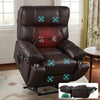
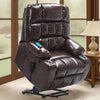
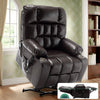
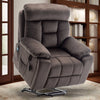
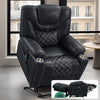
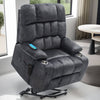
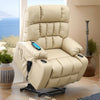
Ergonomic design is all about creating products that fit the human body. It aims to reduce strain and discomfort. Ergonomic recliners are made with this in mind. They support the body's natural posture. This helps prevent pain and injury.
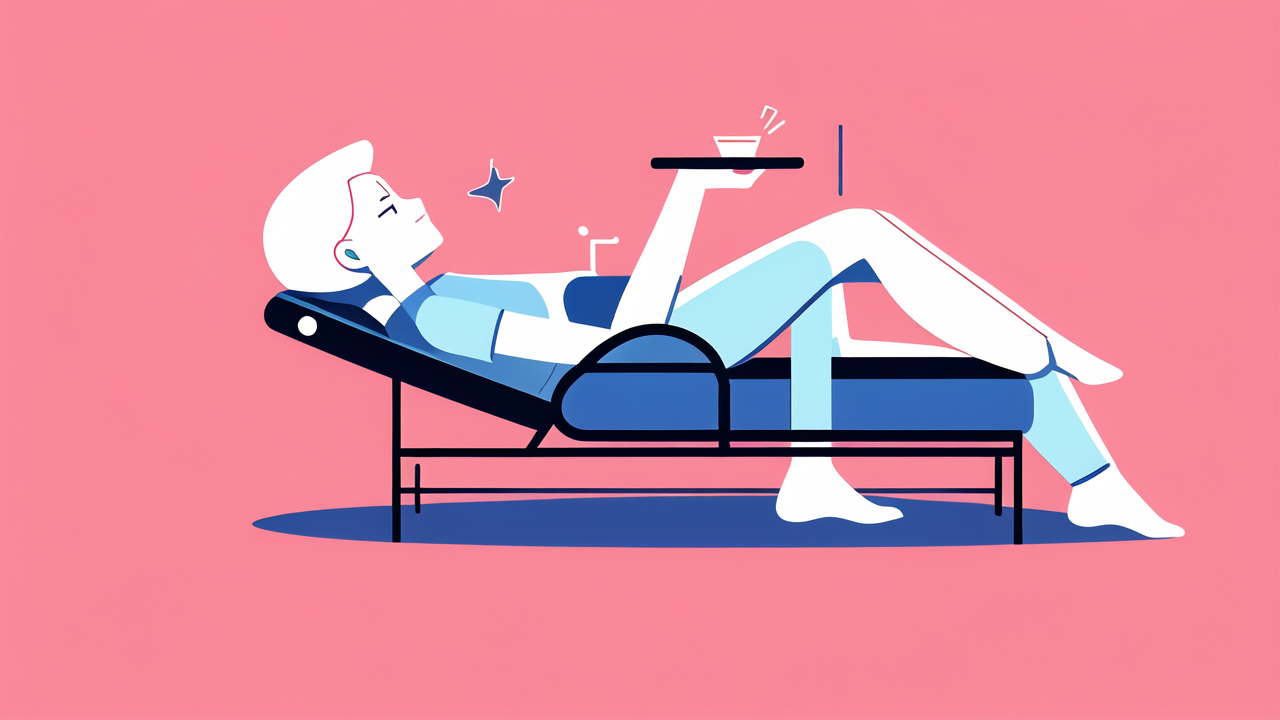
These recliners are based on studies of how we sit and move. They consider factors like spine alignment and pressure points. The goal is to make sitting more comfortable and less harmful. Good design can reduce back pain, neck strain, and other issues.
Ergonomic recliners often have adjustable parts. This allows users to find the best position for their body. The science shows that proper support can improve blood flow and reduce muscle tension. It's not just about comfort, but about long-term health benefits.
Key Features of Ergonomic Recliners
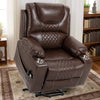
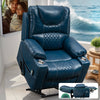
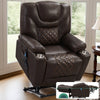
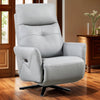
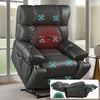
Ergonomic recliners have several key features that set them apart. These features are designed to provide maximum comfort and support. Here are some of the most important ones:
- Adjustable lumbar support
- Headrest that can be moved
- Footrest for leg elevation
- Multiple reclining positions
- Swivel base for easy movement
- Armrests that can be adjusted
These features work together to create a custom fit. The lumbar support helps maintain the spine's natural curve. The headrest prevents neck strain. The footrest improves circulation in the legs.
The ability to adjust the recliner is crucial. It allows users to change positions throughout the day. This movement is important for preventing stiffness and pain. The swivel base makes it easy to reach different areas without straining.
The Health Benefits of Using Ergonomic Recliners: A Closer Look
Preventing Workplace Injuries and Discomfort
Ergonomic recliners can play a big role in preventing workplace injuries. Many jobs require long hours of sitting. This can lead to various health problems. Back pain, neck strain, and poor circulation are common issues.

These recliners help by promoting better posture. They support the spine and reduce pressure on the lower back. This can prevent the development of chronic back pain. The adjustable features allow users to change positions often. This movement is key to avoiding stiffness and muscle fatigue.
For those who work at a desk, ergonomic recliners can reduce the risk of repetitive strain injuries. They provide proper arm support, which helps prevent conditions like carpal tunnel syndrome. By keeping the body in a neutral position, these recliners can also help avoid shoulder and neck pain.
Enhancing Productivity and Well-being
Ergonomic recliners do more than just prevent injuries. They can also boost productivity and overall well-being. When employees are comfortable, they can focus better on their work. This leads to increased efficiency and output.
These recliners can improve mental health too. Sitting in a comfortable position reduces stress on the body. This, in turn, can lower mental stress. Workers may feel less fatigued at the end of the day. This can lead to better work-life balance and job satisfaction.
Better seating can also improve blood flow. This helps keep the brain oxygenated, which is crucial for cognitive function. Workers may find it easier to concentrate and solve problems. The ability to change positions easily can also help maintain alertness throughout the day.
Evaluating the Cost-Benefit Analysis of Ergonomic Recliners for Businesses
Short-Term vs. Long-Term Savings
When it comes to ergonomic recliners, businesses need to consider both short-term costs and long-term savings. The initial investment in quality ergonomic seating can be significant. This might deter some companies from making the purchase.

However, the long-term benefits often outweigh the upfront costs. Ergonomic recliners can lead to fewer workplace injuries. This means less time off for employees and lower healthcare costs. Over time, these savings can add up to more than the initial investment.
There's also the durability factor to consider. High-quality ergonomic recliners are built to last. They may cost more upfront, but they won't need to be replaced as often as cheaper options. This can result in savings over the long run.
Companies should also factor in productivity gains. If employees are more comfortable and efficient, it can boost the bottom line. This increased output can help offset the cost of the recliners.
The Impact on Employee Satisfaction and Retention
Investing in ergonomic recliners can have a big impact on employee satisfaction. When workers feel that their company cares about their health and comfort, it boosts morale. This can lead to increased loyalty and job satisfaction.
Happy employees are more likely to stay with a company. High turnover rates can be costly for businesses. The expenses of hiring and training new staff add up quickly. By providing comfortable, ergonomic seating, companies can improve retention rates.
Ergonomic recliners can also be a selling point for attracting new talent. In competitive job markets, offering superior office equipment can set a company apart. It shows potential employees that the business values their well-being.
Improved comfort can lead to better work quality too. When employees are not distracted by discomfort, they can produce better results. This can enhance the company's reputation and potentially lead to more business.
In conclusion, while ergonomic recliners require an initial investment, they offer numerous benefits. From health improvements to increased productivity, these chairs can provide significant returns. For many businesses, the long-term advantages make ergonomic recliners a worthwhile investment.