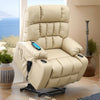


Understanding the Functional Benefits of L-Shaped Sofas for Aging Care
The Ergonomics of L-Shaped Sofas and Comfort for Seniors
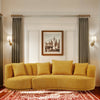
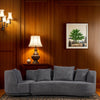
L-shaped sofas offer unique ergonomic benefits for seniors. Their design provides ample support for the back and legs. This is crucial for older adults who may have mobility issues. The extended seating area allows for various comfortable positions. Seniors can stretch out or sit upright with ease.

These sofas often come with adjustable headrests and armrests. This feature enhances comfort and support. The L-shape also creates a natural corner, which can feel cozy and secure. This is especially important for seniors who may feel vulnerable.
Many L-shaped sofas have a chaise section. This allows seniors to elevate their legs, improving circulation. The variety of seating options can also help reduce pressure points. This is vital for preventing discomfort and potential sores in older adults.
How L-shaped Sofas Optimize Living Room Layout and Accessibility
L-shaped sofas are excellent for optimizing living room space. They can effectively divide a room into distinct areas. This is helpful in creating a clear path for mobility devices. The sofa's shape can guide traffic flow, reducing the risk of trips and falls.
These sofas can be placed against walls, freeing up central floor space. This layout is ideal for seniors using walkers or wheelchairs. It provides clear pathways and easy access to other areas of the room.
The L-shape also creates a natural gathering area. This encourages social interaction, which is vital for seniors' mental health. The extended seating allows for more people to sit comfortably. This is perfect for family visits or group activities in aging care settings.
The Impact of Design on Cognitive and Physical Well-being
The design of L-shaped sofas can significantly impact seniors' well-being. The clear definition of space can help with spatial awareness. This is especially important for those with cognitive decline. The familiar shape can provide a sense of stability and routine.
Physically, the varied seating options encourage movement. Seniors can change positions easily, promoting better circulation. This can help prevent stiffness and maintain mobility. The sofa's design also supports good posture, which is crucial for overall health.
The comfort provided by L-shaped sofas can reduce stress and anxiety. A comfortable seating area can become a safe haven for relaxation. This can improve sleep quality and overall mood. The social aspect of the sofa's design also supports emotional well-being.
Best L-Shaped Sofas for Aging Care Environments
Assessing Durability and Maintenance for Longevity
When choosing L-shaped sofas for aging care, durability is key. Look for frames made of hardwood or metal for long-lasting support. The upholstery should be sturdy and stain-resistant. This ensures easy cleaning and maintenance.

Consider sofas with removable, washable covers. This feature allows for thorough cleaning and extends the sofa's life. Avoid materials that easily show wear, like light-colored fabrics or delicate textures.
High-density foam cushions maintain shape and support over time. This is important for consistent comfort. Look for sofas with reinforced seams and strong stitching. These details contribute to the overall longevity of the piece.
Evaluating the Quality and Comfort of L-Shaped Sofas
Quality L-shaped sofas for aging care should prioritize comfort and support. Look for deep seats with firm cushions. This helps seniors maintain good posture and ease of movement. The backrest should be at a comfortable angle, usually around 110-120 degrees.
Consider sofas with built-in lumbar support. This feature is crucial for seniors with back pain. The armrests should be at a height that allows easy entry and exit. Soft, yet supportive cushions provide comfort without sacrificing stability.
Test the sofa for ease of use. Seniors should be able to sit down and stand up without struggle. The fabric should be soft to the touch but durable enough to withstand daily use.
Navigating Size and Placement in Limited Spaces
Choosing the right size L-shaped sofa is crucial in limited spaces. Measure the room carefully before making a purchase. Allow for at least 30 inches of walking space around the sofa. This ensures easy access for mobility aids.
Consider modular L-shaped sofas for flexibility. These can be rearranged to fit different room layouts. This is helpful if the living space needs to be adapted over time. Look for sofas with a smaller footprint that still offer ample seating.
Place the sofa to maximize natural light and views. This can help improve mood and cognitive function. Ensure the placement doesn't block access to windows or doors. The sofa should complement the room's flow, not hinder it.
Future Trends in Aging Care Furniture and L-Shaped Sofas
Innovation in Design: Adaptability and Versatility
Future L-shaped sofas will likely focus on adaptability. We may see designs with adjustable sections. These could change shape to meet different needs throughout the day. Modular designs will become more sophisticated, allowing for easy customization.

Smart fabrics may be incorporated into L-shaped sofas. These could adjust temperature or firmness based on user preferences. We might also see built-in sensors that monitor posture and suggest position changes.
Designers may create L-shaped sofas with integrated storage solutions. This could help keep living spaces organized and clutter-free. The focus will be on creating multi-functional pieces that adapt to changing needs.
Anticipating the Evolving Needs of Aging Populations
As the aging population grows, L-shaped sofas will evolve to meet new needs. We may see designs that cater to specific health conditions. For example, sofas with built-in pressure relief for those at risk of bed sores.
Ergonomic features will become more advanced. This could include automated adjustments based on user profiles. The goal will be to provide personalized comfort and support for each individual.
Future designs may incorporate fall prevention technology. This could include sensors that detect unsteady movements. The sofa could then provide additional support or alert caregivers.
Integrating Technology into Aging Care Furniture Solutions
Technology integration in L-shaped sofas will likely increase. We may see built-in touchscreens for easy access to information or entertainment. Voice-activated controls could allow seniors to adjust settings without physical effort.
Charging stations and connectivity features may become standard. This would support the use of health monitoring devices and smart home systems. The sofa could become a hub for managing daily health routines.
Virtual reality integration might offer new ways to engage with the environment. This could provide cognitive stimulation and social connection. The L-shaped sofa could transform into a multi-sensory experience center for aging adults.