

Understanding the Market Demand for High-End Office Chairs
The Role of Ergonomics in Workplace Productivity
Ergonomics plays a vital role in workplace productivity. It focuses on designing products that fit the human body. In offices, ergonomic chairs are key. They support good posture and reduce strain. This leads to less fatigue and more comfort.

Proper ergonomics can boost productivity in several ways:
- Reduced pain and discomfort
- Improved focus and concentration
- Lower risk of workplace injuries
- Increased job satisfaction
Companies now see ergonomic chairs as an investment. They know it can lead to happier, healthier workers. This, in turn, can result in higher output and better quality work.
The Rise of Heated Massage Office Chairs
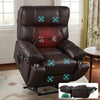
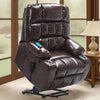
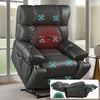
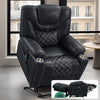
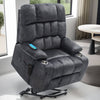
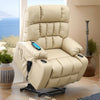
Heated massage office chairs are gaining popularity. They offer a new level of comfort at work. These chairs combine ergonomic design with luxury features. They include heat therapy and massage functions.
Key benefits of heated massage office chairs:
- Stress relief during work hours
- Improved blood circulation
- Muscle tension reduction
- Enhanced overall well-being
As more people work long hours, these chairs provide much-needed relief. They help prevent burnout and increase job satisfaction. Many see them as a worthwhile investment in employee health.
Consumer Preferences Shaping Office Furniture Trends
Consumer preferences are driving changes in office furniture. People want more than just a place to sit. They seek comfort, style, and functionality. This has led to new trends in office chair design.
Some key trends include:
- Adjustable features for personalized comfort
- Sleek, modern designs that complement office decor
- Eco-friendly materials and sustainable manufacturing
- Integration of technology like USB ports and wireless charging
Manufacturers are responding to these demands. They're creating chairs that blend form and function. The goal is to meet the diverse needs of today's workforce.
Technological Advancements in Recliner Chair Design
Material Innovations and Comfort Enhancements
Material innovations have revolutionized recliner chair design. New fabrics and foams offer improved comfort and durability. These advances make chairs more enjoyable to use for long periods.

Some notable material innovations include:
- Memory foam that conforms to body shape
- Breathable mesh fabrics for better air circulation
- High-resilience foams for long-lasting support
- Stain-resistant and easy-to-clean upholstery
These materials enhance the user experience. They provide better support and maintain comfort over time. This is especially important for office chairs used daily.
Integration of Advanced Technologies into Office Chairs
Office chairs now feature advanced technologies. These add new functions and improve user comfort. Smart features are becoming more common in high-end models.
Examples of integrated technologies include:
- Built-in massage systems with various modes
- Heating elements for warmth and muscle relaxation
- Memory settings to save preferred positions
- Sensors that track posture and sitting habits
These technologies transform office chairs into multifunctional devices. They offer personalized comfort and health benefits. This integration marks a significant step in chair evolution.
The Impact of Smart Chairs on User Experience
Smart chairs are changing how people interact with their office furniture. They offer a more personalized and responsive seating experience. This can lead to improved comfort and productivity.
Benefits of smart chairs include:
- Automatic adjustments based on user preferences
- Real-time feedback on posture and sitting habits
- Integration with wellness apps for health tracking
- Voice-controlled adjustments for ease of use
Users report feeling more supported and comfortable throughout the day. Smart chairs can help prevent common issues like back pain and poor circulation. They represent the future of office seating.
Regulatory and Industry Standards Impacting Office Chair Quality
U.S. Regulations for Office Chair Manufacturing
U.S. regulations ensure office chairs meet safety and quality standards. These rules protect consumers and workers. They cover various aspects of chair design and production.

Key regulations include:
- Flammability standards for materials used
- Stability requirements to prevent tipping
- Weight capacity guidelines for different chair types
- Chemical content limits for user safety
Manufacturers must comply with these regulations. This helps ensure that office chairs are safe and reliable. It also promotes fair competition in the market.
Industry Standards for Ergonomics and Comfort
Industry standards guide the design of ergonomic and comfortable chairs. These standards are often voluntary but widely adopted. They reflect best practices in chair design and manufacturing.
Common industry standards cover:
- Seat height and depth adjustments
- Lumbar support requirements
- Armrest positioning and adjustability
- Tilt mechanisms and range of motion
Adhering to these standards helps create chairs that support good posture. It also ensures chairs can accommodate a wide range of body types. This leads to better overall user satisfaction.
How Compliance is Shaping Office Chair Development
Compliance with regulations and standards is shaping chair development. It drives innovation and quality improvements. Manufacturers must balance comfort, style, and regulatory requirements.
Effects of compliance on chair development:
- Increased focus on ergonomic design principles
- Use of higher quality, safer materials
- More rigorous testing procedures
- Greater emphasis on user-centered design
As a result, office chairs are becoming safer and more effective. They better meet the needs of diverse users. Compliance also helps build trust between manufacturers and consumers.