

Understanding the Power Lift Chair: An Overview
What is a Power Lift Chair?
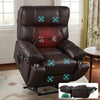
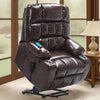
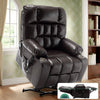
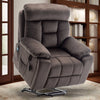
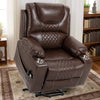
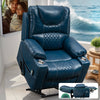
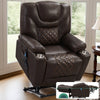
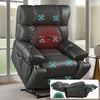
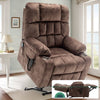
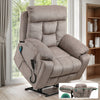
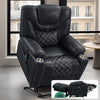
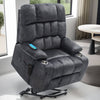
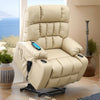
A power lift chair is a specialized piece of furniture designed to help people with mobility issues. It looks like a regular recliner but has a motorized lifting mechanism. This mechanism helps users stand up or sit down with ease.

Power lift chairs come in various styles and sizes. They can be adjusted to fit different body types and needs. The chair's main feature is its ability to tilt forward and upward. This motion gently assists the user in standing up.
These chairs are often used by seniors or those with physical disabilities. They provide comfort and independence for daily activities. Power lift chairs can greatly improve quality of life for many people.
The Technology Behind Power Lift Chairs
Power lift chairs use electric motors and a lifting mechanism. The motor is usually hidden in the base of the chair. It's controlled by a simple remote with large, easy-to-use buttons.
When activated, the motor powers the lifting mechanism. This raises the chair's seat and tilts it forward. The movement is smooth and controlled, ensuring user safety.
Advanced models may have multiple motors. These allow for independent control of different chair parts. For example, the backrest and footrest can move separately.
Many chairs also have battery backup systems. These ensure the chair works even during power outages. Some newer models even include heat and massage features for added comfort.
Benefits of Power Lift Chairs for Mobility
Power lift chairs offer numerous benefits for those with mobility issues. They provide independence and safety for everyday activities. Here are some key advantages:
- Improved Safety: Reduces risk of falls when standing up or sitting down.
- Enhanced Independence: Users can move without assistance from others.
- Pain Relief: Helps those with arthritis or joint pain by easing the sitting process.
- Better Circulation: Elevating legs can improve blood flow.
- Comfort: Many chairs offer customizable positions for optimal relaxation.
- Versatility: Can be used for various activities like watching TV or napping.
- Reduced Caregiver Strain: Lessens the physical demands on caregivers.
These benefits make power lift chairs valuable tools in maintaining quality of life. They allow users to remain active and comfortable in their homes for longer.
Regulatory Landscape for Power Lift Chairs in the United States
Key Standards and Regulations Governing Power Lift Chairs
In the United States, power lift chairs are subject to various regulations. These ensure safety and quality for users. The main governing body is the Food and Drug Administration (FDA).

The FDA classifies power lift chairs as Class II medical devices. This means they require special controls to ensure safety and effectiveness. Manufacturers must follow specific guidelines in design and production.
Other key standards come from organizations like ANSI and RESNA. These set benchmarks for things like durability and electrical safety. Compliance with these standards is often required for insurance coverage.
State-level regulations may also apply. These can affect issues like prescription requirements or insurance reimbursement. It's important for users and providers to be aware of local rules.
Compliance and Safety Certification for Manufacturers
Manufacturers of power lift chairs must meet strict compliance standards. This involves rigorous testing and documentation processes. Here are some key steps in the certification process:
- Design Review: Ensuring the chair meets all safety and performance standards.
- Testing: Conducting thorough tests for durability, electrical safety, and user comfort.
- Documentation: Preparing detailed reports and user manuals.
- FDA Submission: Filing the necessary paperwork with the FDA.
- Quality Control: Implementing ongoing quality assurance measures.
- Post-Market Surveillance: Monitoring and reporting any issues after sale.
Manufacturers must also comply with the FDA's Good Manufacturing Practices (GMP). This ensures consistent quality in production. Regular audits may be conducted to maintain certification.
Impact of Regulations on Power Lift Chair Accessibility and Innovation
Regulations play a crucial role in shaping the power lift chair market. They ensure user safety but can also affect innovation and accessibility. Here's how:
Positive Impacts:
- Improved Safety: Strict standards lead to safer, more reliable products.
- Consumer Confidence: Certifications help users trust the quality of their chairs.
- Insurance Coverage: Meeting standards often leads to better insurance options.
Potential Challenges:
- Higher Costs: Compliance can increase production costs, affecting affordability.
- Slower Innovation: Lengthy approval processes may delay new features.
- Market Entry Barriers: Small companies may struggle with compliance costs.
Despite challenges, regulations generally benefit users. They ensure that power lift chairs meet high standards of safety and effectiveness. This is crucial for a product used by vulnerable populations.
The Future of Power Lift Chairs in Assisted Living
Advancements in Power Lift Chair Design and Features
The future of power lift chairs is exciting. New designs and features are constantly emerging. These advancements aim to improve comfort, functionality, and user experience.

Some upcoming features include:
- Improved Ergonomics: Chairs that adapt to individual body shapes.
- Smart Fabrics: Materials that regulate temperature or monitor vital signs.
- Voice Control: Allowing users to adjust settings with simple commands.
- Modular Designs: Chairs that can be easily customized or upgraded.
- Enhanced Mobility: Chairs with built-in wheels for easy room-to-room movement.
These innovations will make power lift chairs even more versatile. They'll better meet the diverse needs of users in assisted living settings.
Integration of AI and Machine Learning in Power Lift Chairs
Artificial Intelligence (AI) and Machine Learning are set to revolutionize power lift chairs. These technologies can make chairs smarter and more responsive to user needs.
Potential AI applications include:
- Predictive Maintenance: Alerting users or caregivers when the chair needs service.
- Personalized Settings: Learning user preferences and adjusting automatically.
- Health Monitoring: Tracking vital signs and movement patterns to detect health issues.
- Fall Prevention: Using sensors to predict and prevent potential falls.
- Integration with Smart Homes: Connecting with other devices for a seamless experience.
These features could greatly enhance the safety and effectiveness of power lift chairs. They could also provide valuable data for healthcare providers.
The Role of Power Lift Chairs in Supporting Elderly Mobility
Power lift chairs will play an increasingly important role in elderly care. They support mobility, independence, and overall well-being for seniors.
Key benefits for the elderly include:
- Extended Home Living: Helping seniors stay in their homes longer.
- Fall Prevention: Reducing the risk of falls, a major concern for the elderly.
- Improved Mental Health: Maintaining independence can boost mood and cognitive function.
- Better Physical Health: Encouraging movement and proper positioning.
- Social Engagement: Making it easier for seniors to participate in activities.
As the population ages, power lift chairs will become even more crucial. They offer a simple yet effective way to support elderly mobility and quality of life.