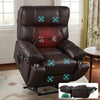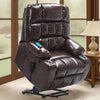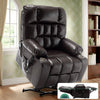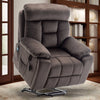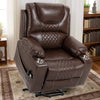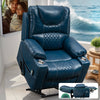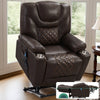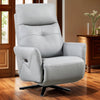


Understanding the Value of Power Lift Recliners for Mobility Impairments
The Evolution of Remote Control Chairs
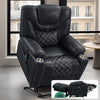
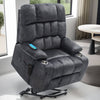
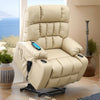
Power lift recliners have come a long way since their inception. They started as simple chairs with basic lifting functions. Today, they are high-tech marvels that offer multiple features.

The first remote control chairs were bulky and had limited options. They could only move up and down. Now, modern power lift recliners are sleek and versatile. They can recline, lift, and even massage.
These chairs have evolved to meet diverse needs. They now cater to people with various mobility issues. From arthritis to post-surgery recovery, power lift recliners have solutions for all.
Key Features that Enhance Ease of Use
Power lift recliners come with features that make life easier for those with limited mobility. Here are some key features:
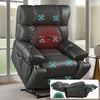
- Remote Control: Allows users to adjust the chair without physical effort
- Multiple Position Settings: Offers comfort in various positions
- Lift Mechanism: Helps users stand up without straining
- Massage and Heat: Provides relief for aching muscles and joints
- USB Ports: Allows charging of devices while seated
- Memory Function: Remembers preferred positions for quick adjustments
These features work together to enhance comfort and independence. They make daily tasks easier and more manageable for users.
How Power Lift Recliners Support Independence
Power lift recliners play a crucial role in supporting independence. They allow individuals with mobility issues to move freely without help. This boosts confidence and quality of life.
These chairs make it easy to sit down and stand up. Users can change positions with the push of a button. This reduces the risk of falls and injuries.
Power lift recliners also promote better posture and circulation. They can be adjusted to find the most comfortable position. This helps prevent pressure sores and other health issues.
By providing comfort and ease of movement, these chairs enable users to stay active. They can engage in activities they enjoy without feeling limited by their mobility issues.
Strategic Placement of Power Lift Recliners in Home and Office Settings
Optimizing Living Spaces for Comfort and Accessibility
Placing power lift recliners strategically can transform living spaces. It's important to consider accessibility and comfort when deciding where to put these chairs.

In the living room, place the recliner near a power source and away from foot traffic. This ensures safety and easy access to power. Position it to face the TV or a window for entertainment or relaxation.
For bedrooms, place the chair near the bed for easy transfers. Ensure there's enough space for the chair to fully recline and lift. Keep pathways clear for safe movement around the room.
In the kitchen or dining area, a power lift recliner can provide a comfortable seat for meals. Place it at the table, making sure there's enough room for the lifting mechanism.
The Role of Remote Control Chairs in Office Productivity
Power lift recliners can boost office productivity for those with mobility issues. They provide comfort and support during long work hours. This can lead to increased focus and efficiency.
Place the chair at an ergonomic height in relation to the desk. Ensure easy access to computer and work materials. Position the chair to allow for smooth transitions between sitting and standing.
Consider placing the recliner near a window for natural light and fresh air. This can improve mood and energy levels during work hours. Keep the area around the chair clear for safe movement.
Case Studies: Remote Control Chairs in Various Environments
Case 1: Home Office
John, a freelance writer with arthritis, uses a power lift recliner in his home office. He positioned it near his desk and a window. This setup allows him to work comfortably and enjoy natural light.
Case 2: Living Room
Mary, a retiree with limited mobility, has her power lift recliner in the living room. It's placed facing the TV and near a side table. This allows her to enjoy entertainment and keep essentials within reach.
Case 3: Rehabilitation Center
A local rehab center uses power lift recliners in their therapy rooms. The chairs are placed near exercise equipment. This helps patients transition easily between exercises and rest periods.
Navigating the Market: Choosing the Right Power Lift Recliner
Features to Look for When Purchasing a Power Lift Recliner
When shopping for a power lift recliner, consider these important features:

- Lift Capacity: Ensure it can support the user's weight
- Number of Positions: More positions offer greater versatility
- Material: Look for durable, easy-to-clean fabrics
- Battery Backup: Important for power outages
- Noise Level: Choose quieter models for comfort
- Warranty: Look for comprehensive coverage
- Extra Features: Consider options like heat and massage
Also, think about the control panel. It should be easy to use and understand. Look for large buttons and clear labels for better accessibility.
Expert Recommendations for Individuals with Disabilities
Experts recommend choosing a power lift recliner that fits specific needs. For those with arthritis, look for chairs with easy-to-use controls. People with back pain may benefit from models with lumbar support.
For users with limited hand strength, consider chairs with voice control options. Those with circulation issues might prefer chairs with heat and massage features.
Experts also stress the importance of proper sizing. The chair should allow users to sit with their feet flat on the floor. Their back should be fully supported when seated.
How to Determine the Right Size and Model for Your Needs
Choosing the right size and model is crucial for comfort and safety. Start by measuring the user's height and weight. This will help narrow down suitable options.
Consider the available space in your home. Measure the area where you plan to place the chair. Remember to account for full recline and lift positions.
Think about specific health needs. Some models cater to certain conditions like arthritis or back pain. Choose a model that addresses your primary concerns.
Try different chairs if possible. Sit in them and test all functions. This hands-on experience can help you make the best choice for your needs.