

Understanding the Role of Power Lift Chairs in Home Care
Assessing the Need for Power Lift Chairs
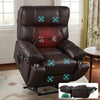
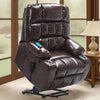
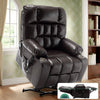
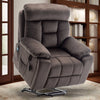
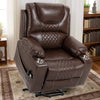
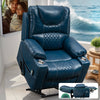
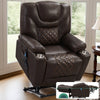
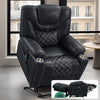
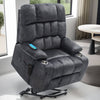
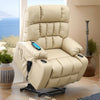
Power lift chairs play a crucial role in home care for the elderly and those with mobility issues. These chairs help users stand up and sit down safely. They're ideal for people with arthritis, back pain, or weak muscles. Doctors often recommend them after surgery or for long-term use.

To know if you need a power lift chair, consider these factors:
- Difficulty standing from a seated position
- Risk of falling when getting up
- Chronic pain that affects mobility
- Recent surgery that limits movement
- Need for improved comfort and posture
A healthcare provider can help assess if a power lift chair is right for you. They'll look at your medical history and physical abilities. The goal is to ensure the chair meets your specific needs.
The Benefits of Power Lift Chairs in Mobility and Safety
Power lift chairs offer many benefits for users. They enhance mobility and safety in daily life. Here are key advantages:
- Increased independence: Users can sit and stand without help.
- Reduced fall risk: The lifting mechanism provides stable support.
- Pain relief: Adjustable positions can ease back and joint pain.
- Better circulation: Elevating legs can improve blood flow.
- Comfort: Multiple positions allow for reading, watching TV, or napping.
These chairs also benefit caregivers. They reduce the physical strain of helping someone up. This lowers the risk of injury for both the user and caregiver. Power lift chairs promote a sense of dignity for users. They can move freely without constant assistance.
Evaluating the Best Power Lift Chairs for the Elderly
Features to Look for in Power Lift Chairs
When choosing a power lift chair, several features are important to consider:

- Lift mechanism: Look for smooth, quiet operation.
- Reclining positions: More options mean better comfort.
- Weight capacity: Ensure it supports the user's weight.
- Upholstery: Choose durable, easy-to-clean fabrics.
- Battery backup: This is crucial during power outages.
- Remote control: It should be easy to use with large buttons.
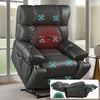
- Heat and massage: These features can provide extra comfort.
- Footrest: A sturdy footrest adds support and comfort.
Check for safety features like anti-tip design and emergency battery backup. Some chairs offer USB ports for charging devices. Memory foam cushions can provide extra comfort for long sitting periods.
How to Determine the Right Size and Style for Your Needs
Choosing the right size and style of power lift chair is crucial for comfort and safety. Here's how to decide:
- Measure the user's height and weight.
- Check the chair's dimensions and weight capacity.
- Consider the room size where the chair will be placed.
- Think about the user's body type and any physical limitations.
- Choose a style that fits the home's decor.
For petite users, look for chairs with shorter seat depths. Tall users need chairs with higher backs and longer footrests. The chair should allow the user's feet to touch the floor when seated. This ensures proper support and easy operation.
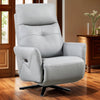
Style options include traditional, contemporary, and transitional designs. Leather and fabric upholstery are common choices. Pick a color and material that matches your home and is easy to maintain.
Implementing Power Lift Chairs in Senior Housing Solutions
Integrating Power Lift Chairs with Home Modifications
Integrating power lift chairs into senior housing requires careful planning. It's part of a larger strategy for aging in place. Here are steps to consider:

- Assess the living space for accessibility.
- Remove obstacles that might interfere with chair operation.
- Ensure proper electrical outlets are available and safely placed.
- Consider additional lighting near the chair for safety.
- Install non-slip flooring around the chair area.
Other home modifications may be needed alongside the lift chair. These might include:
- Widening doorways for easier access
- Adding grab bars in strategic locations
- Installing a walk-in shower or bath
- Lowering countertops for wheelchair accessibility
The goal is to create a safe, comfortable environment that supports independence. Power lift chairs are just one part of this comprehensive approach to senior housing.
Addressing Common Challenges in Power Lift Chair Implementation
While power lift chairs offer many benefits, there can be challenges in implementation. Here are common issues and solutions:
- Cost concerns: Look into insurance coverage or financial assistance programs.
- Space limitations: Choose a smaller model or rearrange furniture for better fit.
- Power outages: Ensure the chair has a reliable battery backup system.
- User adaptation: Provide thorough training on chair operation and safety features.
- Maintenance: Schedule regular check-ups to keep the chair in good condition.
Some users may resist using a lift chair due to pride or fear of dependence. Address these concerns with empathy and education. Emphasize how the chair promotes independence rather than signaling decline.
Regular assessments are important to ensure the chair continues to meet the user's needs. As health conditions change, adjustments may be necessary. Keep open communication with healthcare providers to address any new challenges that arise.