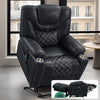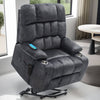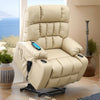


Understand the Essentials of Leather Furniture
Examining Leather Types and Grades
When selecting a leather couch, it's crucial to understand the different types and grades available. Leather is categorized into various grades such as full-grain, top-grain, split-grain, and bonded leather. Full-grain leather retains the most natural look and is the highest quality because it includes the entire grain with all its natural markings. Top-grain leather is more processed to remove imperfections and is more uniform but also less durable than full-grain. Split-grain leather comes from the layers below the top grain and is often used for sides and backs of furniture as it’s less expensive and not as strong. Bonded leather is the lowest grade, made from leather scraps bonded together with adhesives. As you choose, remember that the grade directly affects the durability, feel, appearance, and price of the furniture.
Recognizing the Importance of Frame Construction
When choosing a leather sofa, it's not just the leather that matters, but also the frame is crucial. Quality sofas have sturdy frames that offer stability and long-term durability. Hardwood frames are the most reliable, resisting warping and cracking. Metal frames can also be strong but ensure they are smooth and properly finished to avoid damaging the leather. Additionally, how the frame is joined is essential - look for frames connected by dowels, screws, or metal brackets rather than just glue. Remember, a robust frame supports the leather, helps maintain the shape of the sofa, and defines its longevity.
Considering Size and Space
Measuring for the Right Fit: Big and Tall Power Recliner Considerations
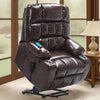
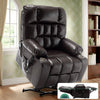
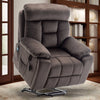
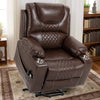
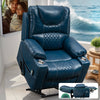
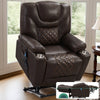
When choosing a big and tall power recliner, size is of utmost importance. Here is a handy guide to ensure you measure correctly for the best fit. First, consider the size of the room to determine how much space you can allot to the recliner. Make sure to leave enough space around the recliner for ease of movement and reclining functionality. Next, look at the recliner dimensions, not just the width and height, but also the depth when fully reclined. Note the height of the backrest to support your neck and head adequately. Also, account for the seat width and depth to provide ample room for your body. If you're taller or have a larger build, seeking recliners with extended leg rests and taller backrests is key. Be mindful of the ease of getting in and out of the recliner, especially if it's for someone with mobility concerns. Lastly, check the load capacity to ensure it can comfortably handle the weight it will support. Proper measuring ensures both comfort and the longevity of your power recliner.
Utilizing Space Efficiently While Maximizing Comfort
When furnishing a cozy living area, selecting a piece like a big and tall power recliner requires a thoughtful balance of space usage and comfort. Start by outlining your living room to identify areas where a recliner can fit without overcrowding. Leave adequate space for traffic flow around the recliner, ensuring it can extend without obstruction. Consider the recliner’s placement in relation to other furniture, windows, and entertainment setups; it should harmonize with the room’s layout yet stand out as a comfort zone. Opt for designs that offer storage or built-in features to minimize the need for additional furniture. Testing recliners with different footrest and back positions can also highlight which configurations allow for a relaxed posture while enhancing the overall aesthetic of the room. By carefully planning and choosing a recliner that caters to both space and comfort, you can create an inviting retreat in your home.
Evaluating Cost and Budget Factors
Weighing the Investment: Leather vs. Fabric
Choosing between leather and fabric for your couch involves considering various factors. Leather is often more expensive upfront but may be seen as an investment due to its longer lifespan and classic appearance. Fabric sofas come with a lower initial cost and offer a wider variety of patterns and textures. Comfort can differ, with leather providing a cool, smooth texture and fabric offering a cozy warmth. When it comes to cleaning, leather is usually easier to maintain and can be more resistant to spills with simple wipe-down care, while fabric may require more regular cleaning and is less forgiving with stains. Durability is another key point; leather can be highly durable and wear well over time, making it suitable for busy households and spaces, whereas fabric may show wear more quickly. Pets and children might influence the choice, as leather can better resist damage, but scratches are more noticeable. Fabric is softer but can capture odors and is prone to tearing. Weigh these considerations to decide which material aligns with your budget, lifestyle, and long-term satisfaction.
Long-Term Value and Durability Insights
When choosing a leather couch, it's essential to look beyond the initial price tag. Think about the long-term value and how it stands up over time. Leather is known for its durability, often outlasting fabric sofas by years. It can handle the wear and tear of daily life, from energetic kids to pets. Over time, the cost per use can be lower with leather, as it won't need replacing as soon. Plus, leather often develops a richer patina with age, enhancing its look. Consider these insights as you evaluate the longevity and ongoing value of your next leather couch.
Analyzing Comfort and Ergonomics
The Role of Cushioning and Support for Different Body Types
When picking a big and tall power recliner, cushioning and support are crucial. It's important to find a couch that accommodates various body types for both comfort and health reasons. High-resilience foam makes for plush seating that bounces back, while a denser foam offers more support for heavier weights. Look for a sturdy frame coupled with the right cushion to support the body without sinking. Features like a higher backrest and firmer seat edge can provide extra lumbar support, which is beneficial for taller individuals. Additional features, such as adjustable headrests and footrests, enhance comfort for everyone. Tailoring your choice to your body type not only ensures immediate comfort but also contributes to long-term well-being.
The Benefits of Power Recliners for Enhanced Comfort
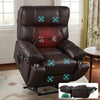
When seeking ultimate relaxation at home, a power recliner is a standout choice. This type of seating is designed with motorized components, allowing you to adjust the chair's position with the simple push of a button. One key benefit is the ability to fine-tune the recliner's angle, providing you with personalized comfort that manual chairs can't offer. The effortless recline function is particularly useful for those who are big and tall, as it reduces strain when settling into or rising from the chair. Additionally, power recliners often include features like built-in heaters or massage functions, enhancing the comfort for those who spend extended periods sitting. For anyone with mobility issues, the gentle motion of a power recliner can also make a huge difference in day-to-day living. It's not just about the extra features; the ergonomic design supports your body in all the right places to prevent aches and pains. As comfort is subjective, it's recommended to test out different recliner models to find the one that feels best for you.
Cleaning and Maintenance
Easy-to-Clean Surfaces: A Key Feature
When choosing a leather couch, remember that one of its key advantages is the ease of cleaning. Leather's smooth surface doesn’t hold onto pet hair, spills, or odors the way fabric does, making it a practical option for busy households. Regular maintenance typically only involves a quick wipe-down with a damp cloth to remove dust or spills. If properly cared for, a leather couch can resist stains and maintain its elegant appearance over time. It's also beneficial for those with allergies, as it doesn't harbor allergens as readily as fabric surfaces. Therefore, for a fuss-free cleanup and upscale look that stands the test of time, the easy-to-clean nature of leather makes it a stellar choice in furniture.
Tips for Prolonging the Life of Your Leather Couch
Maintaining a leather couch calls for regular care to ensure its longevity. Here are a few tips to help prolong the life of your leather furniture:
- Consistent Cleaning: Gently wipe the surface with a soft, damp cloth regularly to remove dust and prevent build-up. Avoid using harsh chemicals that can damage the leather.
- Condition Regularly: Applying a good quality leather conditioner every 6-12 months can keep the leather supple and prevent cracks.
- Avoid Direct Sunlight: Place your couch away from windows where direct sunlight can fade and weaken the leather over time.
- Immediate Spill Attention: In case of spills, quickly blot them with a clean, dry cloth to avoid seepage into the leather.
- Professional Help: For tough stains or significant wear and tear, consider hiring a professional leather cleaner to preserve the couch's quality.
- Use Soft Attachments: When vacuuming, use soft brush attachments to prevent scratches.
By following these simple steps, your leather couch can remain a comfortable and stylish addition to your home for many years.
Style and Aesthetics
Choosing a Style That Complements Your Space
When selecting the style of a leather couch, aim for harmony with your room's decor. Consider your existing furniture, wall color, and overall theme. A modern space may benefit from sleek lines and neutral tones, while a traditional room may suit classic designs with detailed craftsmanship. Think about the statement you want the couch to make. Should it stand out as a centerpiece or blend seamlessly into the background? Remember, the style should reflect your personal taste and complement the space without overwhelming it.
Color Choices and Texture Considerations
While selecting a leather couch, color, and texture play pivotal roles in blending seamlessly with your existing decor. First, consider the predominant color scheme in your space and decide whether you want to complement or create a contrast. Neutral leather tones like blacks, browns, and creams are versatile and tend to match a broader range of decor styles. For a bolder statement, options like deep reds or blues can add a unique touch.
Texture is equally important, enhancing the couch's look and feel. Smooth, top-grain leather can offer a sleek, modern appearance, while a more textured leather like pebbled or distressed can provide a relaxed, rustic vibe. Remember that the texture can also influence how the couch ages – smoother finishes may show scratches more prominently, whereas a textured leather can hide minor blemishes better over time. When deciding on color and texture, always consider the lighting in your room, as this can affect how leather hues are perceived.
Durability Considerations
Assessing Leather Quality for Pet and Child Resistance
When considering a couch that can withstand the energy of pets and kids, inspecting the leather's quality is crucial. Look for top-grain or full-grain leather, renowned for their robustness. These materials resist scratches and stains better than lower grades. Adequate finishing on the leather also adds a protective barrier. Confirm that the finish doesn't crack or peel under stress. It's wise to opt for couches with a reputation for strong leather that doesn't puncture or tear easily. Many brands offer leather geared specifically for homes bustling with children and four-legged friends, ensuring longevity and fewer replacements.
Making a Sustainable Choice: Leather That Lasts
When it comes to choosing a leather couch, sustainability is a crucial factor to think about. A high-quality leather couch is more than just a piece of furniture; it's an investment in durability and longevity.
One sustainable aspect is the leather's ability to withstand the test of time. Unlike fabric, which may fade or fray, well-maintained leather can last for decades, gaining character without losing functionality. This makes it an excellent choice for environmentally conscious consumers looking to reduce their carbon footprint by avoiding frequent furniture replacements.
Furthermore, some leathers are treated with natural tanning processes, reducing harmful chemical use and making them a more eco-friendly option. When selecting your couch, look for certifications such as the Leather Working Group (LWG), which ensures the leather is produced in a sustainable manner.
Lastly, consider the couch's construction. Couches built with renewable or recyclable materials not only support sustainability but also add to the durability of the product. Sustainable choices in leather furniture reflect a commitment to quality and environmental responsibility.
Finalizing Your Selection
Test Sitting and Practical Trials
Before making your final choice on a leather couch, especially a big and tall power recliner, consider engaging in test sitting and practical trials. Here's why it's crucial. Testing various models by sitting and reclining in them provides first-hand experience of the comfort level they offer. It's the most reliable way to assess if the cushioning and support fit your body type, and whether the power mechanics operate smoothly. Additionally, this is a perfect opportunity to evaluate the ease of use of the recliner's features, such as the power controls, and to ensure they are intuitive and accessible. Practical trials also allow you to visualize the sofa in your living space, confirming that it complements your existing decor and fits aesthetically. When embarking on test sittings, make sure to spend enough time on each piece to properly gauge long-term comfort and functionality.
Where to Shop for the Best Quality Leather Couches
When you're ready to make your purchase, finding the right store is vital. For premium leather couches, explore high-end furniture shops. These stores often have a variety of options and knowledgeable staff to assist you. Another option is to visit specialized leather showrooms. They focus solely on leather furnishings, providing expert advice and a wide range of styles and grades. Don't overlook online retailers; they offer the convenience of shopping from home and often feature customer reviews. Just ensure you select a reputable site with a clear return policy. For a hands-on approach, consider local craft fairs or markets where custom furniture makers showcase their work. This way, you can find unique pieces and support local artisans. Finally, if you're seeking value deals, furniture outlets or seasonal sales events can offer quality leather couches at reduced prices. Remember to test the comfort and inspect the leather quality, no matter where you shop.