

Understanding the Appeal of Compact Furniture for the Elderly
The Psychology Behind Choosing Space-Saving Furniture
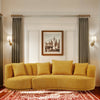
Compact furniture holds a special appeal for elderly Americans. It's not just about saving space. It's about feeling in control of their environment. Smaller pieces make rooms feel more open. This can reduce anxiety and create a sense of calm. Many seniors prefer familiar surroundings. Compact furniture allows them to keep cherished items while adapting to new needs. It also promotes independence. Easier-to-move pieces let seniors rearrange their space as they wish. This sense of control is vital for mental well-being in later years.

How Ergonomics and Comfort Can Coexist in Limited Spaces
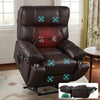
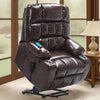
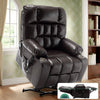
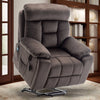
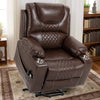
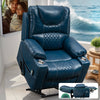
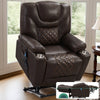
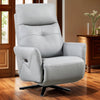
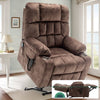
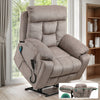
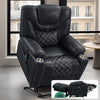
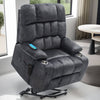
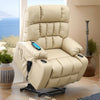
Comfort doesn't have to be sacrificed in small spaces. Modern designs blend ergonomics with compact forms. Lift chairs and recliners for the elderly are prime examples. These chairs offer support and ease of use in a smaller footprint. Adjustable features ensure proper posture and reduce strain. Memory foam and supportive cushions provide comfort without bulk. Designers now focus on creating furniture that moves with the body. This approach maximizes comfort in minimal space. The result is furniture that supports health without overwhelming a room.
Top Space-Saving Furniture Picks for Elderly Americans
Flexible Options for Small Apartments
Small apartments demand smart furniture choices. Folding tables and chairs are versatile options. They can be tucked away when not in use. Wall-mounted desks offer workspace without taking up floor space. Nesting tables provide extra surfaces as needed. Lift chairs that double as recliners are perfect for tight spots. They offer comfort and support while saving space. Murphy beds are another great choice. They free up floor space during the day. These options help seniors maintain an open, clutter-free living area.

Maximizing Multipurpose Furniture Benefits
Multipurpose furniture is a game-changer for elderly living spaces. Here are some top picks:
- Ottoman storage benches: Provide seating and hidden storage
- Sleeper sofas: Offer seating by day and guest beds by night
- Dining tables with leaves: Expand for guests, contract for daily use
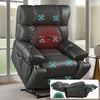
- Lift chairs with side pockets: Combine seating, storage, and mobility aid
- Adjustable height coffee tables: Serve as dining or work surfaces as needed
These pieces maximize functionality without cluttering the space. They adapt to changing needs throughout the day. This flexibility is key for maintaining independence and comfort.
Key Considerations When Selecting Furniture for the Elderly
When choosing furniture for seniors, several factors are crucial:
- Ease of use: Look for simple mechanisms and lightweight designs
- Safety: Ensure stability and rounded edges to prevent injuries
- Comfort: Prioritize supportive cushions and ergonomic shapes
- Accessibility: Choose heights that allow easy sitting and standing
- Durability: Select materials that withstand frequent use and cleaning
- Adaptability: Opt for pieces that serve multiple purposes
- Maintenance: Consider easy-to-clean surfaces and fabrics
These factors help create a safe, comfortable environment. They support independence and quality of life for elderly residents.
Implementing Space-Saving Solutions in Your Home
Creative Ways to Arrange Furniture in Limited Spaces
Clever arrangement can make small spaces feel larger and more functional. Here are some tips:

- Use corner spaces for desks or shelving units
- Place furniture at angles to create visual interest
- Create zones for different activities using area rugs
- Use vertical space with tall, narrow bookcases
- Keep pathways clear for easy movement
- Place mirrors strategically to reflect light and create depth
- Use lightweight furniture that's easy to move for flexibility
These strategies help maximize space while maintaining comfort and safety. They allow seniors to enjoy their homes fully, even in compact areas.
The Importance of Regular Furniture Maintenance
Regular maintenance keeps furniture functional and safe for elderly users. It's especially important for space-saving pieces that see frequent use. Here's why it matters:
- Safety: Well-maintained furniture is less likely to break or cause accidents
- Longevity: Proper care extends the life of space-saving investments
- Hygiene: Regular cleaning prevents buildup of allergens and bacteria
- Functionality: Lubrication and adjustments keep mechanisms working smoothly
- Comfort: Maintaining cushions and supports ensures ongoing comfort
Set a schedule for cleaning, inspecting, and servicing furniture. This routine helps spot issues early and keeps living spaces safe and comfortable.
Tailoring Your Home's Design to Meet Elderly Needs
Designing for elderly needs doesn't mean sacrificing style. It's about smart choices that blend form and function. Start by assessing daily routines and challenges. Then, choose furniture that addresses these needs while complementing the home's aesthetic. Consider adding grab bars that double as towel racks. Install pull-out shelves in lower cabinets for easy access. Use contrasting colors to make edges and level changes more visible. Opt for slip-resistant flooring that's also easy on the joints. These changes create a safer, more comfortable environment without feeling institutional. The goal is a home that supports independence and enhances quality of life.