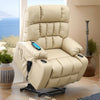


Understanding the Appeal: The Mid-Century Sleeper Sofa and the Modern Loveseat
The Historical Context of Mid-Century Furniture
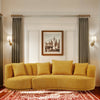
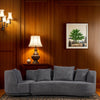
Mid-century furniture emerged in the 1940s and remained popular until the 1960s. This style is known for its clean lines and minimalist design. It was a response to the ornate styles of the past. Mid-century pieces often feature organic shapes and simple forms. They use materials like wood, metal, and plastic in new ways. The sleeper sofa was a key innovation during this era. It offered a dual-purpose solution for small living spaces. These sofas could transform from seating to sleeping areas with ease. They were perfect for urban dwellers and growing families alike. The style's focus on function and form made it ideal for post-war homes. Today, mid-century design continues to influence modern furniture trends.

Key Design Features of Modern Loveseats
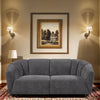
Modern loveseats are compact seating options designed for two people. They typically measure between 50 to 70 inches in width. This makes them perfect for small apartments or cozy nooks. Modern loveseats often feature clean lines and simple shapes. They may have tufted backs or sleek, smooth surfaces. Many use durable, easy-to-clean fabrics like microfiber or leather. Some key features include:
- Slim arms to maximize seating space
- Raised legs for a light, airy look
- Built-in USB ports or power outlets
- Hidden storage compartments
- Modular designs for flexibility
These features make modern loveseats both functional and stylish. They offer comfort without sacrificing valuable floor space. Many come in bold colors or patterns to add visual interest to a room.
Analyzing Space Efficiency: Storage Solutions in Furniture
The Mid-Century Sleeper Sofa
Mid-century sleeper sofas are marvels of space efficiency. They offer a full-sized bed hidden within a stylish sofa. The mechanism is usually simple and easy to operate. Most use a pull-out design with a metal frame and mattress. Some key space-saving features include:

- Compact design when closed
- Hidden storage for bedding
- Removable cushions for easy conversion
These sofas often have thin arms and raised legs. This creates an illusion of more space in small rooms. The mattresses are typically thinner than standard beds. This allows for a more compact design when folded. Some models even include built-in side tables or shelving. These features add extra functionality without increasing the footprint. Mid-century sleeper sofas are ideal for guest rooms or studio apartments. They provide comfortable seating by day and a cozy bed by night.
Space-Saving Mechanisms of Modern Loveseats
Modern loveseats employ clever design to maximize space efficiency. Many feature built-in storage solutions. These can include:
- Lift-top seat cushions revealing hidden compartments
- Pull-out drawers beneath the seating area
- Fold-down arms that double as side tables
Some loveseats have reclining features that don't require much clearance. This allows them to be placed closer to walls. Others have modular designs that can be rearranged as needed. This flexibility is perfect for changing room layouts. Some loveseats come with ottomans that nest underneath when not in use. This provides extra seating or footrests without taking up floor space. Many modern loveseats also have slim profiles. This makes them easier to move through tight doorways or up stairs. Their compact size allows for creative placement in small rooms.
Incorporating Furniture into Limited Spaces
Strategies for Compact Apartments and Homes
Making the most of limited space requires careful planning. Here are some strategies for incorporating furniture in small areas:

- Choose multi-functional pieces: Opt for furniture that serves more than one purpose.
- Use vertical space: Look for tall bookcases or wall-mounted storage.
- Consider foldable or expandable furniture: These can be tucked away when not in use.
- Create zones: Use rugs or room dividers to define separate areas.
- Opt for light colors: These can make a space feel larger and brighter.
- Use mirrors strategically: They can create the illusion of more space.
- Keep it minimal: Avoid cluttering the space with too many items.
- Choose furniture with exposed legs: This creates a sense of openness.
- Use corner spaces: L-shaped sofas or corner desks maximize awkward areas.
- Invest in good lighting: Proper illumination can make a small space feel larger.
Remember, every inch counts in a small space. Careful selection of furniture can make a big difference.
Maximizing Versatility in Small Spaces
Versatility is key when furnishing small spaces. Here are some tips to maximize functionality:
- Choose adjustable furniture: Pieces that can change height or configuration are valuable.
- Use nesting tables: These can be spread out when needed and stacked when not in use.
- Opt for modular seating: This allows for different arrangements based on needs.
- Consider wall beds: These fold up against the wall, freeing up floor space during the day.
- Use ottoman storage: These provide seating, footrests, and hidden storage.
- Invest in compact appliances: Look for slim or combination appliances to save space.
- Use multi-purpose rooms: A home office can double as a guest room with a sleeper sofa.
- Choose furniture on wheels: This allows for easy rearrangement.
- Use floating shelves: These provide storage without taking up floor space.
- Consider drop-leaf tables: These can expand for meals and shrink for daily use.
By focusing on versatility, you can create a space that adapts to your changing needs. This approach allows you to make the most of limited square footage. With careful planning, even the smallest space can be both functional and stylish.