

Understanding the Challenges of Small Spaces in the United States
Analyzing Space Constraints in Modern American Homes
In recent years, many Americans have faced the challenge of living in smaller homes. Urban areas are
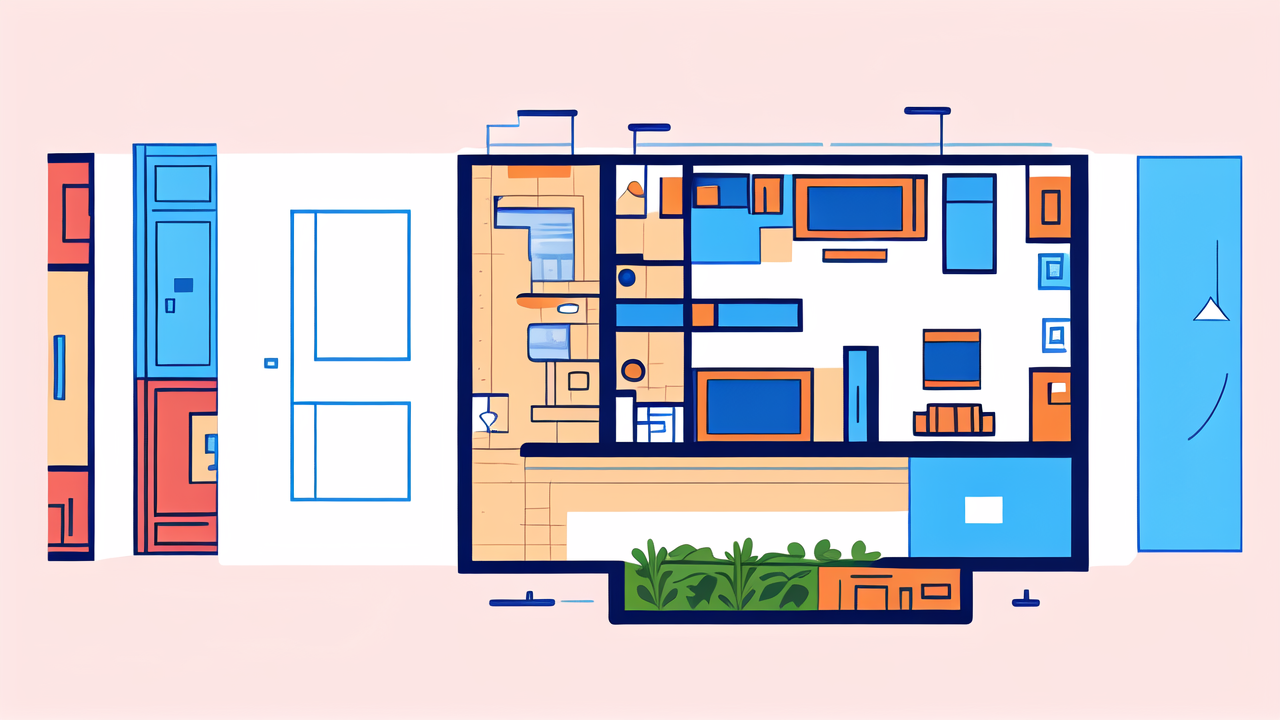
becoming more crowded, and housing costs are rising. This has led to a trend of downsizing and living
in compact spaces. Apartments, tiny houses, and studio flats are now common living options.
These small homes often have limited floor space and storage areas. This can make it hard to fit in
all the furniture and items needed for daily life. Many people struggle to create a comfortable and
functional living space in these tight quarters. The key is to be smart about furniture choices and
space usage.
The Importance of Efficient Furniture Selection for Small Spaces
Choosing the right furniture is crucial when dealing with small spaces. The wrong pieces can make a
room feel cramped and cluttered. On the other hand, smart furniture choices can make a small space
feel open and inviting. It's all about finding items that serve multiple purposes and fit well in
limited areas.
Efficient furniture selection can help maximize every inch of available space. It can create the
illusion of a larger room and improve the overall flow of the living area. The right furniture can
also boost storage options, which is often a big concern in small homes. By carefully selecting each
piece, it's possible to create a comfortable and stylish home, even in a tight space.
Key Strategies for Selecting Furniture for Small Spaces
Balancing Aesthetics and Functionality in Limited Spaces
When furnishing a small space, it's important to find a balance between style and function. Each piece

should not only look good but also serve a practical purpose. Here are some tips to achieve this
balance:
- Choose furniture with clean lines and simple designs
- Opt for light colors to make the space feel more open
- Look for pieces that can serve multiple functions
- Consider the scale of furniture in relation to the room size
- Use mirrors to create the illusion of more space
- Select furniture that can be easily moved or rearranged
By following these guidelines, you can create a space that is both beautiful and practical, even with
limited square footage.
Space-Saving Furniture Designs and Materials
Innovative furniture designs can help make the most of small spaces. Many companies now offer products
specifically created for compact living. These often use clever engineering to maximize functionality
while minimizing size. Some popular space-saving designs include:
- Wall-mounted desks that fold up when not in use
- Nesting tables that can be tucked away
- Murphy beds that disappear into the wall
- Expandable dining tables for flexible seating options
- Modular sofas that can be rearranged as needed
Materials also play a role in space-saving furniture. Lightweight materials like aluminum or bamboo can
make pieces easier to move. Glass or acrylic can create a sense of openness in a room. By choosing the
right designs and materials, you can furnish your small space without feeling cramped.
Multi-functional Furniture for Compact Spaces
In small homes, it's crucial to make every piece of furniture work hard. Multi-functional items are key
to maximizing space and functionality. These pieces serve more than one purpose, reducing the need for
extra furniture. Some examples of multi-functional furniture include:
- Ottoman with hidden storage
- Sofa bed for guests
- Coffee table that converts to a dining table
- Bed frame with built-in drawers
- Bookshelf that doubles as a room divider
By incorporating these versatile pieces, you can create a space that adapts to your needs throughout
the day. This flexibility is essential in small living areas where space is at a premium.
Case Studies: Successful Furniture Solutions for Small Spaces
Innovative Recliner Designs for Tight Areas
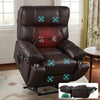
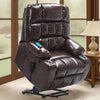
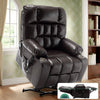
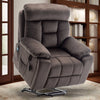
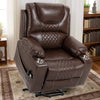
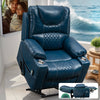
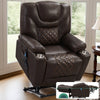
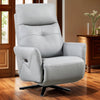
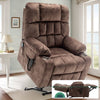
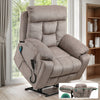
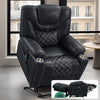
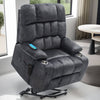
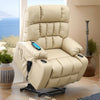
Recliners are often associated with large, bulky chairs that take up a lot of space. However, new

designs are changing this perception. Compact recliners are now available that offer comfort without
consuming too much floor space. Here are some innovative solutions:
- Wall-hugging recliners that need less clearance
- Swivel recliners that can be turned to save space
- Rocking recliners that combine two functions in one
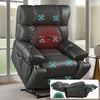
- Power recliners with USB ports for modern convenience
These designs allow even those in small apartments to enjoy the comfort of a recliner. They prove that
you don't need a large living room to relax in style.
Compact Office Solutions: Boosting Productivity in Small Spaces
With more people working from home, creating a functional home office in a small space has become
crucial. Smart furniture choices can help create an efficient workspace without taking over the entire
home. Some effective compact office solutions include:
- Floating desks that attach to the wall
- Corner desks that utilize often wasted space
- Standing desks that can be adjusted for sitting or standing
- Rolling file cabinets that can be moved as needed
- Folding chairs that can be stored when not in use
These solutions allow for a productive work environment, even in tight quarters. They prove that a
small space doesn't have to limit your ability to work effectively from home.
Creative Storage Solutions for Small Apartments and Houses
Storage is often the biggest challenge in small living spaces. Creative storage solutions can help
keep clutter at bay and maximize available space. Here are some innovative ideas:
- Under-bed storage containers
- Over-the-door organizers
- Vertical shelving units
- Furniture with hidden compartments
- Vacuum-sealed bags for seasonal items
By thinking creatively about storage, it's possible to find a place for everything, even in a tiny
home. These solutions can help keep your space organized and feeling spacious, no matter its size.
In conclusion, living in a small space doesn't mean sacrificing comfort or style. With clever furniture
choices and creative solutions, it's possible to create a functional and attractive home in any size
space. The key is to think creatively, prioritize multi-functional pieces, and make the most of every
inch of available space.