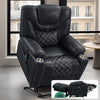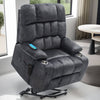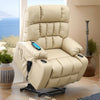


Understanding Reclining Chairs: An Overview
The Evolution of Reclining Chairs
Reclining chairs have come a long way since their inception. They started as simple chairs with adjustable backs. Today, they are high-tech marvels of comfort. Early models were basic and often uncomfortable. Modern recliners offer various features for ultimate relaxation.

The first recliner appeared in the late 19th century. It was a far cry from today's big reclining chairs. Over time, designs improved to focus on both comfort and support. Manufacturers added padding, better mechanisms, and ergonomic features. Now, recliners come in many styles to suit different needs and preferences.
Key Features of High-Quality Recliners
High-quality recliners boast several important features. A sturdy frame is crucial for durability and support. Look for hardwood or metal construction. The reclining mechanism should be smooth and easy to operate. Many modern recliners offer multiple positions for customized comfort.
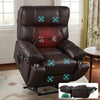
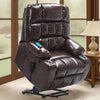
Padding is another key feature. High-density foam provides the best support and longevity. Quality upholstery, whether leather or fabric, adds to comfort and style. Some recliners include extras like built-in massagers or heating elements. These features can enhance relaxation and provide therapeutic benefits.
Benefits of Using Reclining Chairs
Reclining chairs offer numerous benefits for users. They provide excellent support for the back and legs. This can help reduce pain and improve circulation. The ability to change positions easily is great for those with mobility issues. It also helps prevent stiffness from sitting too long.
Big reclining chairs are perfect for relaxation and stress relief. They create a comfortable space to unwind after a long day. Some models are designed to help with specific health concerns. For example, zero-gravity recliners can ease pressure on the spine. Overall, recliners combine comfort and functionality for a better sitting experience.
Selecting the Best Reclining Chairs for Your Body
Assessing Your Physical Needs
Choosing the right recliner starts with understanding your physical needs. Consider your height and weight to ensure proper fit. If you have back problems, look for chairs with good lumbar support. Those with joint issues might prefer chairs with easy-to-use controls.

Think about how you'll use the chair. Do you need it for reading, watching TV, or napping? Each activity might require different features. For example, a TV watcher might want a swivel base. A reader might prefer adjustable headrests. Make a list of must-have features based on your needs and habits.
Choosing the Right Reclining Chair Materials
The materials used in a recliner affect its comfort, durability, and maintenance. Leather is a popular choice for its luxurious feel and easy cleaning. However, it can be hot in warm weather. Fabric upholstery offers more breathability and color options. It may require more frequent cleaning.
For the frame, hardwoods like oak or maple provide excellent durability. Metal frames can be strong but may not be as comfortable. The padding material is also important. High-density foam offers the best support and longevity. Memory foam can provide custom comfort but may retain heat. Consider all these factors when choosing your recliner.
The Role of Ergonomics in Comfort and Support
Ergonomics plays a crucial role in recliner design. A good ergonomic chair supports your body's natural posture. It should reduce strain on your back, neck, and legs. Look for chairs with adjustable lumbar support and headrests. These features help maintain proper spine alignment.
The seat depth and width should allow you to sit comfortably without slouching. Armrests should be at a height that lets your shoulders relax. The footrest should support your legs without putting pressure on your knees. Remember, the most ergonomic chair is one that fits your body and needs perfectly.
Installation and Maintenance of Reclining Chairs
Step-by-Step Installation Guide for Reclining Chairs
Installing a reclining chair is usually straightforward. Start by unpacking all parts and reading the instructions. Most recliners come in two main pieces: the back and the base. Begin by attaching the back to the base. This often involves locking brackets or sliding the back into place.

Next, connect any power cords if your chair has electric features. Ensure all connections are secure. Test the reclining mechanism to make sure it works smoothly. If your chair has a swivel base, check that it rotates freely. Finally, adjust any settings like lumbar support or headrest position for your comfort.
Regular Maintenance and Care for Long Durability
Proper maintenance can extend the life of your reclining chair. Regular cleaning is essential. For fabric upholstery, vacuum weekly and spot clean as needed. Leather should be wiped down with a damp cloth and conditioned periodically. Always follow the manufacturer's cleaning instructions.
Check the reclining mechanism regularly for any signs of wear. Lubricate moving parts as recommended by the manufacturer. Tighten any loose screws or bolts. If your chair has electrical components, inspect cords for damage. Rotate cushions if possible to ensure even wear. With proper care, a quality recliner can last for many years.
Troubleshooting Common Issues with Reclining Chairs
Even well-maintained recliners may develop issues over time. A common problem is a stiff or noisy reclining mechanism. This can often be fixed with lubrication. If the chair won't stay reclined, check the tension springs. They may need adjustment or replacement.
For electric recliners, check the power source if the chair stops working. Ensure the cord is plugged in and the outlet is functioning. If the problem persists, it may be an issue with the motor or control panel. Loose upholstery can usually be fixed by tightening or replacing staples. For any complex issues, it's best to consult a professional or the manufacturer.