

Understanding the Need for Lift Chairs in the Home
Assessing Mobility Challenges
Mobility challenges can greatly impact daily life. As we age, simple tasks like standing up or sitting down become harder. Lift chairs offer a solution to these issues. They provide support and assistance for those with limited mobility.

These chairs help people maintain independence at home. They reduce the risk of falls and injuries. Lift chairs are especially useful for those with arthritis, back pain, or weak muscles. They make it easier to get in and out of a seated position.
By addressing mobility challenges, lift chairs improve quality of life. They allow people to relax and enjoy their home without worry. This promotes better mental and physical health.
The Impact of Aging Population on Home Accessibility
The growing aging population has increased the need for accessible homes. As people live longer, they want to stay in their own homes. This has led to a rise in "aging in place" solutions.
Lift chairs are a key part of making homes more accessible. They allow older adults to move around safely and comfortably. This reduces the need for constant care or moving to assisted living facilities.
Home accessibility is not just about convenience. It's about maintaining dignity and independence. Lift chairs play a vital role in this. They help create a safe and supportive environment for aging adults.
Integrating Lift Chairs into Home Care Plans
Lift chairs are an important part of comprehensive home care plans. They work alongside other assistive devices to create a safe living space. When planning home care, it's crucial to consider how lift chairs fit in.
Healthcare professionals often recommend lift chairs. They see them as a valuable tool for maintaining independence. Lift chairs can be part of a larger strategy to prevent falls and injuries.
When integrating lift chairs, it's important to consider the user's needs. This includes their physical condition, home layout, and daily routine. A well-planned approach ensures the lift chair provides maximum benefit.
Key Features to Look for in Power Assist Lift Chairs
Ease of Use and Comfort
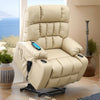
When choosing a lift chair, ease of use is crucial. Look for chairs with simple, intuitive controls. These should be easy to reach and operate. Many chairs come with remote controls for added convenience.

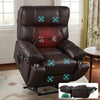
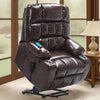
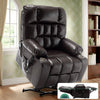
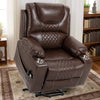
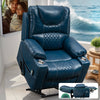
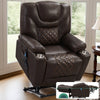
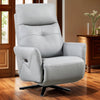
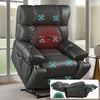
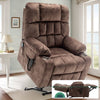
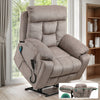
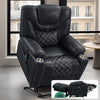
Comfort is equally important. A good lift chair should provide support in all positions. Look for chairs with adjustable backrests and footrests. Some chairs, like lay flat recliner chairs, offer full recline options for sleeping.
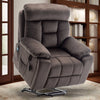
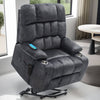
The chair's material also affects comfort. Choose fabrics that are soft, durable, and easy to clean. Some chairs offer heat and massage features for extra comfort.
Safety and Reliability
Safety is a top priority in lift chairs. Look for chairs with sturdy construction and stable bases. They should have smooth, controlled movements to prevent jarring or tipping.
Reliable power systems are essential. Choose chairs with backup battery power. This ensures the chair works even during power outages. Look for chairs with safety sensors that stop movement if obstacles are detected.
Many lift chairs have additional safety features. These may include non-slip upholstery and side pockets for storing items. Some chairs have emergency call buttons for added peace of mind.
Considerations for Home Installation
Before buying a lift chair, consider your home layout. Measure the space where you'll place the chair. Remember to allow room for full recline and lift positions.
Think about power source locations. The chair needs to be near an electrical outlet. Consider using a surge protector to safeguard the chair's electrical components.
Some lift chairs require assembly. Check if professional installation is available or needed. This can ensure proper setup and function of the chair.
Evaluating the Cost and Benefits of Lift Chairs
Short-term vs. Long-term Cost Analysis
When considering a lift chair, it's important to look at both short-term and long-term costs. The initial purchase price can seem high. However, it's important to consider the long-term benefits and potential savings.

In the short term, you'll need to budget for the chair and any installation costs. Some chairs may require ongoing maintenance. Factor in potential repair costs and the cost of electricity to operate the chair.
Long-term, a lift chair can save money on healthcare costs. It can reduce the need for in-home care or prevent costly falls. The chair's durability also affects long-term value. A well-made chair can last for many years.
Enhancing Quality of Life and Maintaining Independence
Lift chairs offer significant benefits to quality of life. They provide comfort and ease of movement. This can reduce pain and improve overall well-being.
Independence is a key benefit of lift chairs. They allow people to sit down and stand up without help. This can boost confidence and reduce reliance on caregivers.
Lift chairs also promote better sleep and relaxation. Many chairs, like lay flat recliner chairs, allow for comfortable sleeping positions. This can improve sleep quality and overall health.
Government Programs and Support for Lift Chair Acquisition
Various government programs can help with the cost of lift chairs. Medicare may cover part of the cost if the chair is deemed medically necessary. To qualify, you'll need a prescription from your doctor.
Some states offer Medicaid waivers that can help pay for lift chairs. These programs vary by state. Check with your local Medicaid office for details.
Veterans may be eligible for assistance through the VA. They offer programs to help veterans with mobility issues. These can include help with purchasing lift chairs.
Local agencies on aging may also offer resources. They can provide information on grants or low-interest loans for home modifications. This can include the purchase of lift chairs.
Remember to explore all options for financial assistance. This can make lift chairs more accessible and affordable. Don't hesitate to ask healthcare providers or social workers for guidance on available programs.