

The Evolution of Sleeper Sofas: From Hidden Beds to Designer Statements
Historical Development of the Sleeper Sofa
Sleeper sofas have come a long way since their inception. They started as simple fold-out beds hidden in couches. Early designs were often uncomfortable and clunky. Over time, they evolved into more sophisticated pieces of furniture.

The need for space-saving solutions in urban areas drove their popularity. As cities grew denser, people sought furniture that could serve multiple purposes. Sleeper sofas fit this bill perfectly. They offered seating during the day and a bed at night.
Manufacturers began to focus on improving comfort and ease of use. Springs and mattresses got better. Mechanisms became smoother. By the mid-20th century, sleeper sofas were common in many homes.
Mid-Century Design Innovations in Sleeper Sofas
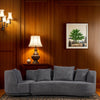
The mid-century era brought significant changes to sleeper sofa design. Designers embraced clean lines and organic shapes. They drew inspiration from Scandinavian and American modernism.
Materials like teak, walnut, and chrome became popular. Fabrics in bold colors and patterns added visual interest. These elements gave sleeper sofas a fresh, contemporary look.
Functionality remained key. Designers worked to create sofas that were both stylish and practical. They developed new folding mechanisms and improved mattress support. The result was sleeper sofas that were more comfortable and easier to use.
The Rise of the Sleeper Sofa in Modern Furniture
In recent decades, sleeper sofas have become staples in modern homes. They're no longer just for guest rooms or small apartments. Many people use them as primary seating in living rooms.
Designers now offer sleeper sofas in a wide range of styles. From minimalist to luxurious, there's something for every taste. High-end brands have entered the market, elevating the sleeper sofa's status.
Technology has played a role in this rise. Memory foam mattresses and advanced support systems have improved comfort. Some models even include features like USB charging ports.
Analyzing Market Trends for Mid-Century Sleeper Sofas in the United States
Consumer Preferences for Sleeper Sofas
American consumers are showing increased interest in mid-century sleeper sofas. They value the blend of style and function these pieces offer. Many seek sofas that complement their overall home decor.

Comfort remains a top priority. Buyers look for sleeper sofas with high-quality mattresses and easy-to-use mechanisms. They want guests to have a good night's sleep without sacrificing style.
Size is another important factor. Consumers in smaller homes prefer compact designs. Those with more space might opt for larger, more luxurious models. Versatility is key, with many buyers wanting sofas that work in multiple settings.
The Impact of E-commerce on the Sleeper Sofa Market
Online shopping has transformed the sleeper sofa market. Consumers can now browse a wide range of options from home. This has increased competition and driven innovation among manufacturers.
E-commerce has made it easier for smaller brands to enter the market. They can reach customers without the need for physical showrooms. This has led to more diverse offerings and competitive pricing.
However, buying furniture online presents challenges. Customers can't test comfort or see colors in person. To address this, many retailers offer virtual showrooms and generous return policies.
Regional Demand for Sleeper Sofas in the U.S.
Demand for sleeper sofas varies across the United States. Urban areas tend to have higher demand due to smaller living spaces. Cities like New York and San Francisco see strong sales of compact, multi-functional designs.
In the suburbs, larger homes might use sleeper sofas in guest rooms or home offices. These buyers often prioritize style and durability over space-saving features.
Coastal regions show interest in sleeper sofas for vacation homes. These buyers look for durable, easy-to-clean options that can accommodate multiple guests.
The Future of Comfort and Style: Mid-Century Sleeper Sofas
Technological Advancements in Sleeper Sofa Design
The future of sleeper sofas looks promising, thanks to technological innovations. Smart features are becoming more common. Some sofas now include built-in speakers or adjustable lighting.

Improved folding mechanisms are making sleeper sofas easier to use. Hydraulic systems and motorized controls are replacing manual mechanisms. This makes it simpler for people of all ages and abilities to operate them.
Mattress technology is also advancing. Hybrid designs combining memory foam and coils offer better support. Some mattresses even have cooling properties for a more comfortable sleep.
Sustainable and Eco-Friendly Materials in Furniture Manufacturing
Sustainability is a growing concern in the furniture industry. Manufacturers are exploring eco-friendly materials for sleeper sofas. Recycled fabrics and sustainably sourced wood are becoming more common.
Some companies are developing biodegradable foams for mattresses and cushions. Others are using organic cotton and natural latex. These materials reduce environmental impact without sacrificing comfort.
Durability is also a focus. Longer-lasting furniture means less waste. Manufacturers are using stronger frames and more resilient upholstery to extend the life of sleeper sofas.
Predictions for the Sleeper Sofa Market Trajectory
The sleeper sofa market is expected to continue growing. As urban populations increase, demand for multi-functional furniture will rise. Mid-century designs are likely to remain popular due to their timeless appeal.
Customization will become more important. Consumers want furniture that fits their specific needs and style. Manufacturers may offer more options for fabrics, sizes, and features.
Online sales will likely increase, but physical showrooms will remain important. Customers still value the ability to test comfort in person. Retailers may develop hybrid models combining online and in-store experiences.
In conclusion, mid-century sleeper sofas are poised to remain a key piece in modern homes. They offer a perfect blend of style, comfort, and functionality. As technology and design continue to evolve, these versatile pieces will adapt to meet changing consumer needs.