

Understanding the Importance of Space-Efficient Furniture in Small Apartments
The Role of Furniture in Maximizing Small Space Potential
Furniture plays a vital role in small apartments. It can make or break the space. The right pieces can open up a room and create a sense of flow. They can also provide storage and multi-purpose use.
Smart furniture choices can make a small space feel larger. They can help create distinct areas within one room. This is key in studio apartments or open-plan layouts.
Modular and multi-functional furniture are great for small spaces. They adapt to your needs and can be rearranged easily. This flexibility is crucial in tight quarters.
Good furniture placement can improve traffic flow. It can also create a more organized and less cluttered feel. This is essential in small apartments where every inch counts.
Key Considerations for Selecting Furniture for Small Spaces
When choosing furniture for small spaces, size is crucial. Measure your room and doorways before buying. Ensure the piece will fit and can be moved in easily.
Look for furniture with built-in storage. This helps maximize space and reduce clutter. Ottoman beds or sofas with hidden compartments are great options.
Multi-functional pieces are ideal. A dining table that doubles as a desk or a sofa bed can be very useful. They allow you to make the most of limited space.
Consider the visual weight of furniture. Light-colored, slim-profiled pieces can make a room feel more open. Avoid bulky, dark furniture that can make spaces feel smaller.
Choose furniture that can be easily moved or rearranged. This allows you to adapt your space for different needs. Lightweight or wheeled pieces are good options.
Think about the scale of furniture in relation to your room. Oversized pieces can overwhelm a small space. Opt for apartment-sized or compact versions of furniture.
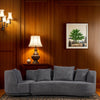
Top Picks: Sectional Sofas for Small Apartments
Analyzing the Best Space-Saving Sectional Sofas
- Modular L-shaped sectional: This type is versatile and can be arranged in different ways. It fits well in corners, maximizing space use.
- Compact chaise sectional: Perfect for those who want to stretch out without taking up too much room. It's a good balance of comfort and space-saving.
- Reversible sectional: These can be set up on either side of the room. This flexibility is great for small spaces that may need to be rearranged.
- Sleeper sectional: Ideal for apartments without a guest room. It provides extra sleeping space when needed.
- Apartment-size sectional: These are scaled down versions of regular sectionals. They offer the same style but in a more compact form.
When choosing, consider the size, shape, and layout of your room. Look for pieces that fit well and leave enough walking space.

Benefits of a Sectional Sofa in a Small Apartment
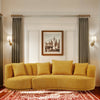
Sectional sofas offer many benefits in small apartments. They provide ample seating without taking up too much floor space. This is great for entertaining in tight quarters.
Many sectionals come with built-in storage. This feature is a big plus in small apartments where storage is often limited. You can store blankets, books, or other items out of sight.
Sectionals can help define spaces in open-plan layouts. They can create a clear living area in a studio or multi-use room. This helps make the space feel more organized and purposeful.
Most sectionals are modular. This means you can rearrange them to fit your changing needs. You can also add or remove pieces as your space allows.
Some sectionals convert into beds. This dual-purpose feature is perfect for small apartments. It eliminates the need for a separate guest bed.
Sectionals often have a more casual, relaxed feel. This can help create a cozy atmosphere in a small space. They invite people to lounge and make the most of the available seating.
Implementing and Maintaining Your Sectional Sofa
Best Practices for Setting Up a Sectional Sofa in a Small Apartment
When setting up your sectional, start by measuring your space. Ensure you have enough room for the sofa and walking paths. Leave at least 18 inches for walkways.
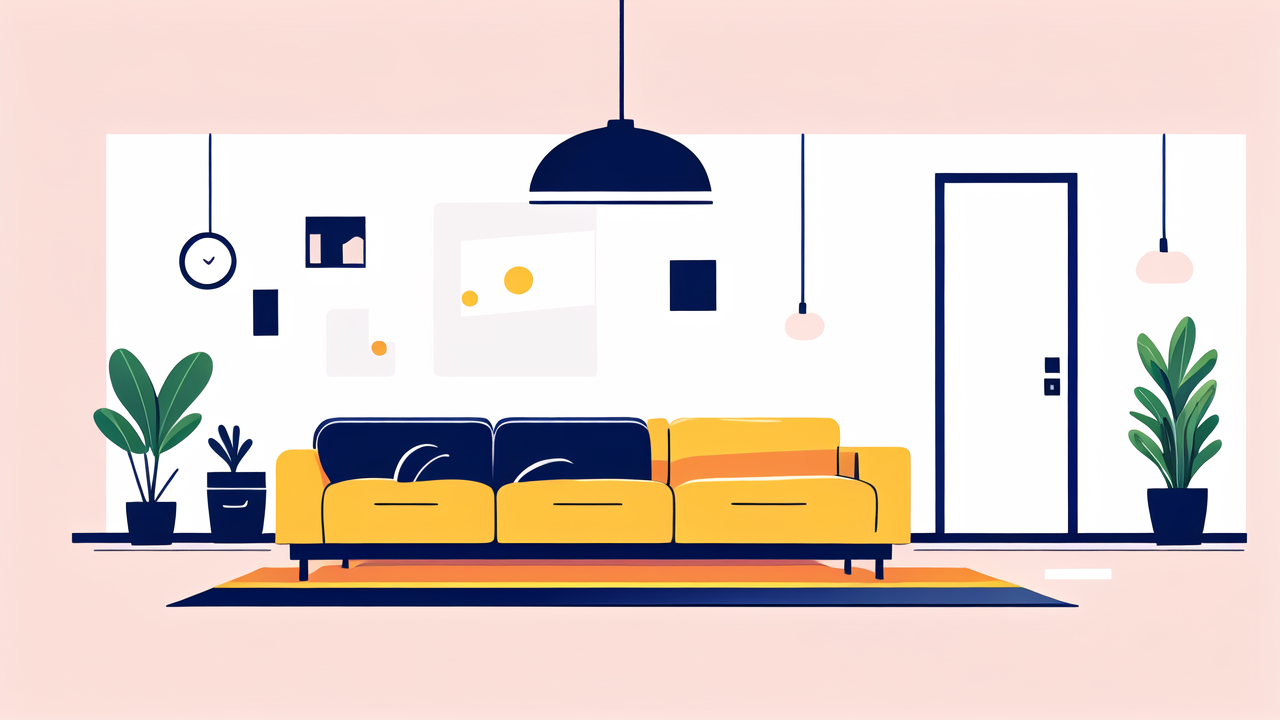
Consider the layout of your room. Place the longest part of the sectional against the longest wall. This can help the room feel more balanced and spacious.
Use the sectional to create zones in your space. It can separate the living area from the dining or work area. This is especially useful in studio apartments.
Don't push the sectional right against the wall. Leaving a small gap can make the room feel bigger. It also makes cleaning behind the sofa easier.
Think about traffic flow when placing your sectional. Ensure it doesn't block doorways or natural pathways. This will make your space more functional and feel less cramped.
If your sectional has a chaise, try placing it near a window. This can create a cozy reading nook. It also helps maximize natural light in the room.
Routine Maintenance Tips for Sectional Sofas
Regular vacuuming is key to maintaining your sectional. Use the upholstery attachment to remove dust and debris. Do this at least once a week.
Rotate cushions regularly to ensure even wear. This can help your sectional last longer and look better. Try to do this every few weeks.
Clean spills immediately to prevent staining. Use a clean, damp cloth to blot the spill. Avoid rubbing, as this can spread the stain.
For fabric sectionals, consider using a fabric protector spray. This can help repel stains and make cleaning easier. Reapply as directed by the product.
Leather sectionals should be conditioned every 6-12 months. This keeps the leather soft and prevents cracking. Use a leather conditioner made for furniture.
Check and tighten any loose screws or fittings regularly. This helps maintain the structure of your sectional. It also prevents squeaks and wobbles.
Avoid eating on your sectional to prevent crumbs and spills. If you do eat there, use a tray to catch any messes. This can help keep your sofa clean and in good condition.