

Understanding the Needs of the Elderly
Identifying Common Issues with Mobility and Comfort
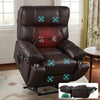
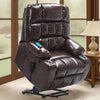
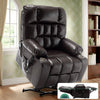
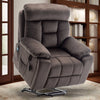
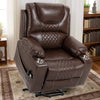
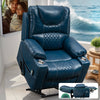
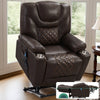
As we age, mobility becomes a challenge. Many elderly people struggle with standing up or sitting down. This is where lift recliner chairs come in handy. These chairs help seniors maintain independence.

Common issues include:
- Joint pain and stiffness
- Muscle weakness
- Balance problems
- Risk of falls
Lift chairs address these issues by providing support and assistance. They help reduce strain on joints and muscles. This makes daily activities easier and safer for seniors.
Assessing the Elderly Person's Environment and Lifestyle
When choosing a lift chair, consider the senior's living space. Think about room size and layout. The chair should fit well without blocking pathways.
Also, consider the person's daily routine. Do they watch TV often? Do they like to read or nap in their chair? These factors will help you choose the right features.
Look at the existing furniture too. The new chair should match or complement the décor. This helps maintain a comfortable and familiar environment for the elderly person.
The Role of Ergonomics in Elderly Seating
Ergonomics is crucial for elderly seating. It focuses on designing products that fit the user's needs. For seniors, this means chairs that support good posture and reduce pain.
Key ergonomic features in lift chairs include:
- Lumbar support
- Adjustable headrests
- Proper seat depth and width
- Comfortable armrests
These features help prevent back pain and promote better circulation. They also make it easier for seniors to sit for longer periods without discomfort.
Good ergonomics can improve overall health and well-being. It can help seniors maintain their independence and enjoy daily activities more.
Key Features of Lift Chairs for the Elderly
Ensuring Easy Access and Ease of Use
Lift chairs should be easy to use for seniors. The controls should be simple and within easy reach. Large buttons with clear labels are ideal. Some chairs offer remote controls for added convenience.

The lifting mechanism should be smooth and quiet. It should provide a gentle, steady motion. This helps prevent any sudden movements that could startle or unbalance the user.
Look for chairs with wide, stable bases. These provide better support and reduce the risk of tipping. Easy-to-clean materials are also important for maintaining hygiene.
The Importance of Adjustable Features
Adjustability is key in lift chairs for the elderly. It allows the chair to be customized for each user's needs. Look for chairs with multiple reclining positions. These can range from slight recline to full lay-flat positions.
Other important adjustable features include:
- Footrest height
- Seat height
- Backrest angle
- Lumbar support
These features help ensure proper posture and comfort. They also make it easier for seniors to find the perfect position for various activities.
Some advanced chairs offer heat and massage features. These can provide extra comfort and relief for aching muscles and joints.
Evaluating the Quality and Durability of Lift Chairs
When choosing a lift chair, quality and durability are crucial. Look for chairs made with sturdy frames, usually metal or hardwood. The lifting mechanism should be robust and designed to last.
Check the weight capacity of the chair. It should comfortably support the user's weight. High-quality upholstery materials will resist wear and tear. They should also be easy to clean and maintain.
Read reviews and check warranties. A good warranty can provide peace of mind. It shows the manufacturer stands behind their product.
Remember, a quality lift chair is an investment in comfort and safety. It's worth spending a bit more for a chair that will last and perform well.
Best Practices for Choosing Lift Chairs
Navigating the Market: Where to Look
When shopping for lift chairs, start with reputable medical supply stores. These often have knowledgeable staff who can guide you. They may also offer in-home trials.

Online retailers can provide a wide selection and competitive prices. However, be sure to read reviews and check return policies. It's best to try a chair in person if possible.
Some other places to look include:
- Furniture stores specializing in senior products
- Occupational therapy equipment suppliers
- Medicare-approved suppliers (if eligible)
Compare prices and features across different retailers. Don't forget to factor in delivery and installation costs.
Consulting with Healthcare Professionals and Seniors
Before buying a lift chair, consult with healthcare professionals. They can provide valuable insights based on the senior's specific needs. Occupational therapists can assess how well a chair fits into daily routines.
Talk to the senior who will use the chair. Their comfort and preferences are crucial. If possible, have them try different chairs. Pay attention to their feedback about ease of use and comfort.
Family members or caregivers should also be involved. They can provide input on practical aspects like cleaning and maintenance.
Remember, the best chair is one that meets both medical needs and personal preferences.
Installation and Maintenance: Ensuring Longevity
Proper installation is crucial for the safety and function of lift chairs. If you're not confident, consider professional installation. This ensures the chair is set up correctly and all features work properly.
Regular maintenance helps extend the life of the chair. Follow the manufacturer's care instructions. This may include:
- Regular cleaning of upholstery
- Checking and tightening bolts and screws
- Lubricating moving parts
Keep the area around the chair clear to prevent accidents. Teach the user how to operate all features safely. If any issues arise, contact the manufacturer or supplier promptly.
With proper care, a quality lift chair can provide comfort and support for many years. It's an investment in the health and independence of your loved one.