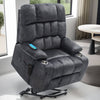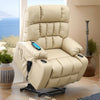


The Evolution of Adjustable Furniture in the United States
Historical Overview of Recliner Development
The story of adjustable furniture in the US begins with the humble recliner. In the late 1920s,

cousins Edward Knabusch and Edwin Shoemaker created the first recliner. Their design allowed users
to lean back and relax. This was a big step in furniture comfort.
Over time, recliners became more complex. They added features like built-in footrests and multiple
positions. By the 1950s, recliners were a common sight in American homes. They offered a new level
of comfort and relaxation.
The rise of big and tall recliners came later. These met the needs of larger individuals. They
provided extra support and space. This trend showed how furniture makers were adapting to different
body types.
Technological Advancements in Furniture Design
As technology improved, so did adjustable furniture. Electric motors replaced manual levers. This
made it easier for users to change positions. Memory foam and other new materials enhanced comfort.
Smart features began to appear in the 2000s. Some couches could now remember preferred positions.
Others had built-in USB ports for charging devices. These advances made adjustable furniture more
functional.
Newer models even include health-tracking features. They can monitor sleep patterns and suggest
optimal positions. This shows how furniture is becoming part of our overall wellness routines.
The Growing Demand for Personalized Furniture
Today, there's a strong trend towards personalized comfort. People want furniture that fits their
unique needs. This has led to a boom in adjustable couch options.
Consumers now look for furniture that can adapt to different activities. They want a couch that's
good for watching TV, working, and sleeping. This versatility is key in modern homes where space is
often limited.
The rise of comfort spaces in homes has also driven this trend. People are creating areas dedicated
to relaxation. Adjustable couches are often the centerpiece of these spaces.
Health and Comfort: The Core Benefits of Adjustable Couches
How Adjustability Improves Well-Being and Lifestyle
Adjustable couches offer more than just comfort. They can have real health benefits. For people with

back pain, being able to change positions can provide relief. This is especially true for those who
spend long hours sitting.
These couches can also improve circulation. By elevating legs, they help reduce swelling and
fatigue. This is beneficial for people who stand all day at work.
For those with sleep issues, adjustable couches can be a game-changer. Many wonder, "Is it healthy
to sleep in a recliner?" When used correctly, it can be. Sleeping at a slight incline can help
with conditions like acid reflux or sleep apnea.
The Role of Ergonomics in Furniture Selection
Ergonomics plays a crucial role in modern furniture design. Adjustable couches allow users to find
the perfect position for their body. This can reduce strain on muscles and joints.
Good ergonomics can prevent long-term health issues. It's especially important for those who work
from home. An adjustable couch can provide proper support during long work sessions.
Ergonomic furniture also promotes better posture. This can lead to less back pain and improved
overall health. When selecting furniture, considering ergonomics is key to long-term comfort.
The Influence of Adjustable Couches on Home Design Trends
Adjustable couches are changing how we think about living spaces. They offer flexibility that
static furniture can't match. This has led to more open, multifunctional room designs.
These couches often become the focal point of a room. Their ability to change shape allows for
dynamic space use. A living room can quickly transform into a guest bedroom or home office.
The aesthetic of adjustable couches has also evolved. They now come in styles that fit any decor.
This makes them a versatile choice for interior designers and homeowners alike.
Navigating the Market: Choosing the Right Adjustable Couch
Understanding the Different Types of Adjustable Couches
When shopping for an adjustable couch, it's important to know the options. There are several types

to consider:
- Manual recliners: These use levers or handles to adjust. They're often more affordable but
require physical effort to change positions.
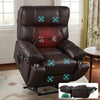
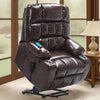
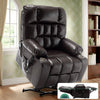
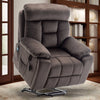
- Power recliners: These use motors for adjustment. They offer more precise control and are easier
to use.
- Wall-hugger recliners: These are designed for small spaces. They can recline while staying close
to the wall.
- Lift chairs: These help users stand up from a seated position. They're great for those with
mobility issues.
- Sectional recliners: These offer adjustable seats as part of a larger sectional couch.
Each type has its own benefits. Consider your space, budget, and needs when choosing.
Key Features to Look for When Selecting an Adjustable Couch
When selecting an adjustable couch, several key features should be considered:
- Range of motion: Look for couches that offer multiple positions.
- Material quality: Durable fabrics and sturdy frames ensure longevity.
- Ease of use: Controls should be simple and accessible.
- Size and fit: Ensure the couch fits your space and body type.
- Additional features: Look for extras like USB ports or built-in massage functions.
- Warranty: A good warranty can protect your investment.
Pay attention to the weight capacity, especially for big and tall recliners. Comfort is key, so
test the couch if possible before buying.
The Impact of Consumer Reviews on Adjustable Couch Purchases
Consumer reviews play a big role in furniture purchases today. They offer real-world insights into
product quality and durability. When shopping for an adjustable couch, these reviews can be
invaluable.
Reviews often highlight issues that may not be apparent in store displays. They can reveal how well
a couch holds up over time. This is crucial for a long-term investment like furniture.
However, it's important to read reviews critically. Look for patterns in feedback rather than
focusing on single experiences. Pay attention to reviews from users with similar needs to yours.
Many retailers now include customer reviews on their websites. This makes it easier to research
before buying. Use these reviews as a tool, but also trust your own judgment when making a
decision.