

Understanding the Role of Seating in Interior Design
The Significance of Seating Arrangement in Small Spaces
Seating plays a crucial role in small spaces. It can make or break the functionality of a room. The right arrangement can create a cozy, inviting atmosphere. It can also maximize the use of limited square footage.
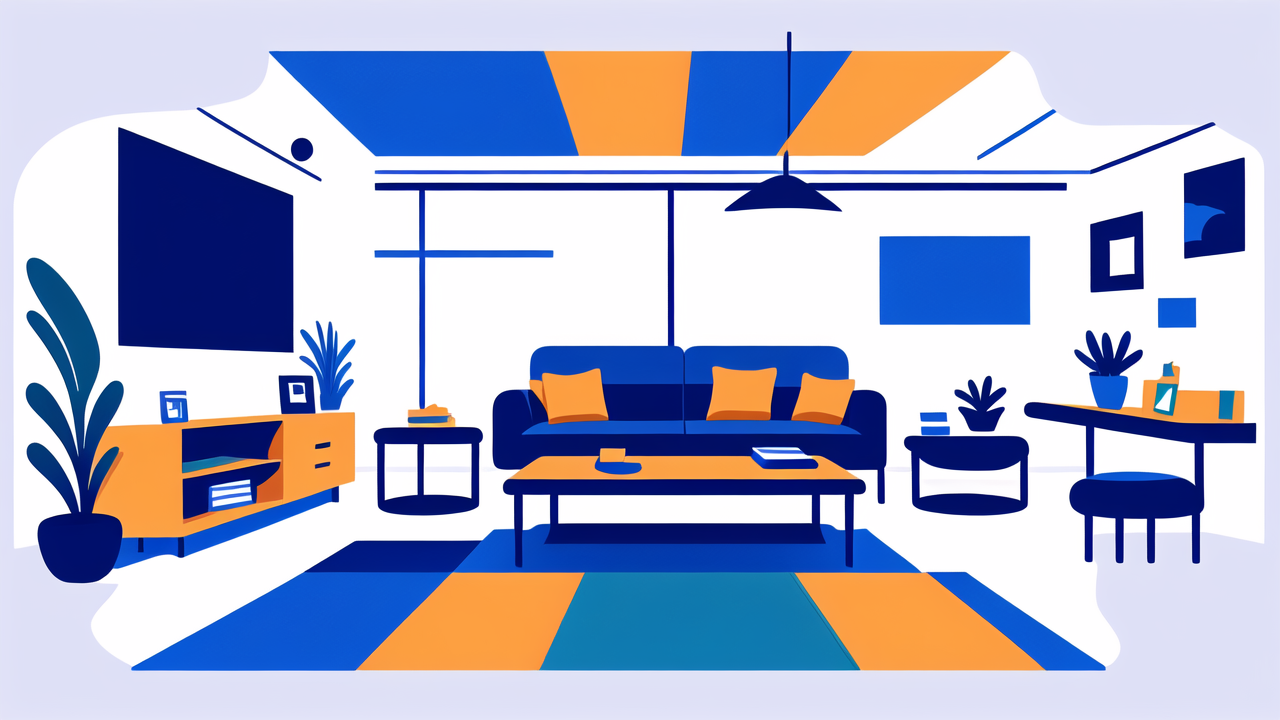
When dealing with compact areas, every inch counts. A well-chosen seating option can help define the space. It can create visual balance and improve flow. The key is to find pieces that fit the room's scale.
Love seats and sofas each have their merits in small spaces. Love seats are compact and versatile. They can fit in tight corners or create intimate seating areas. Sofas offer more seating capacity but require more room.
Assessing Design Compatibility with Seating Choices
Your seating choice should align with your overall design vision. It's not just about size, but also about style and function. The right piece can enhance your decor and lifestyle.
Consider the room's purpose when selecting seating. A formal living room might benefit from a sleek sofa. A cozy reading nook could be perfect for a plush love seat. Think about how the seating will be used daily.
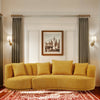
Color and texture also play a role in design compatibility. A bold-colored love seat can be a focal point. A neutral sofa can blend seamlessly with various decor styles. Fabric choice can affect the overall feel of the space.
Key Considerations When Selecting a Love Seat or Sofa
Evaluating Space Efficiency and Versatility
Space efficiency is crucial when choosing between a love seat and a sofa. Love seats are ideal for smaller rooms or apartments. They can fit in tight spaces while still providing comfortable seating.
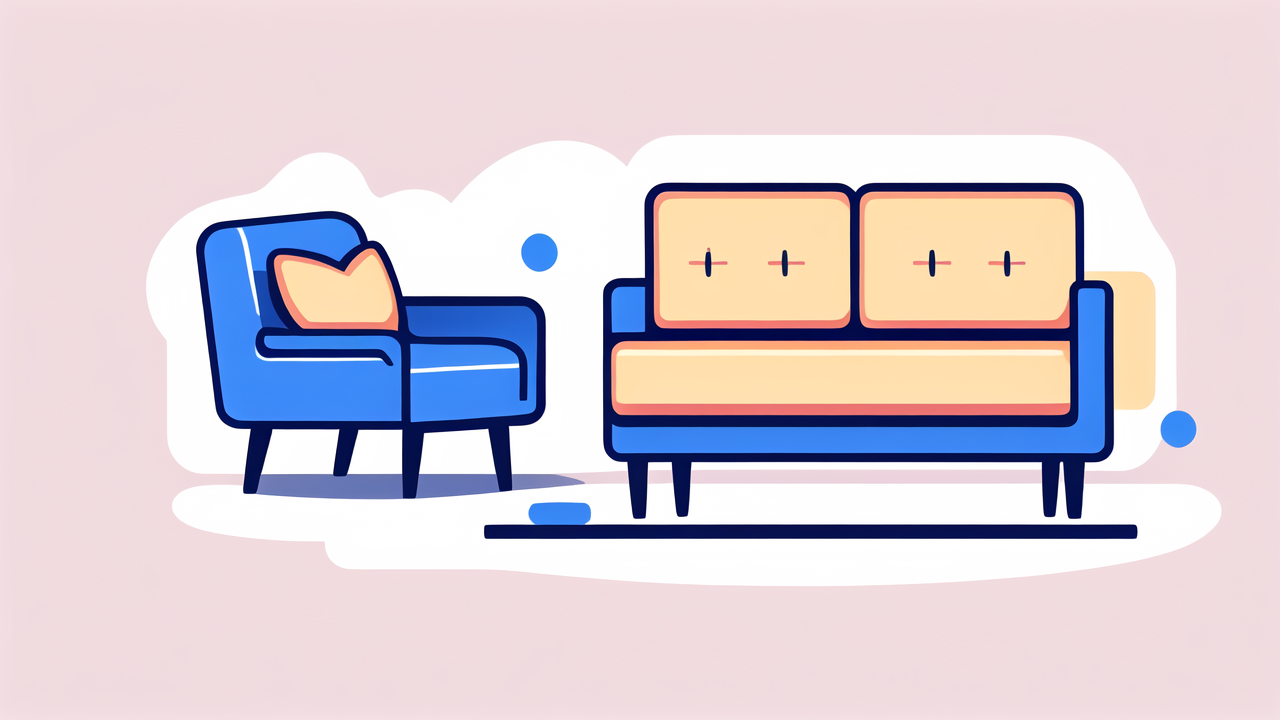
Sofas offer more seating capacity but require more floor space. They're great for larger rooms or open-plan living areas. Some sofas come with built-in storage, adding to their versatility.
Consider multi-functional options for maximum efficiency. A love seat that converts to a bed can be a smart choice. Modular sofas allow for flexible configurations to suit changing needs.
Analyzing Material and Durability for High Traffic Areas
The material of your seating can greatly impact its longevity. High-traffic areas need durable fabrics that can withstand daily use. Leather and microfiber are popular choices for their resilience.
For homes with pets or children, stain-resistant fabrics are a wise investment. Look for options with removable, washable covers for easy maintenance. Dark colors or patterns can help hide wear and tear.
Consider the frame construction too. Hardwood frames offer better durability than particleboard. Spring systems affect comfort and longevity. Eight-way hand-tied springs are considered top quality.
Comfort and Aesthetics: What to Look for
Comfort is key in any seating choice. Test different styles to find what suits you best. Some prefer firm support, while others like plush, sink-in comfort. Consider seat depth and back height for optimal comfort.
Aesthetically, your seating should complement your decor. Clean lines work well in modern spaces. Tufted designs add elegance to traditional rooms. The leg style can also impact the overall look.
Don't forget about cushion fill. High-density foam offers firm support. Down-filled cushions provide a softer sit. A combination of both can offer a balance of comfort and support.
Implementing Seating Solutions in Various Design Schemes
Incorporating a Love Seat into Contemporary Designs
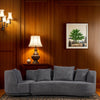
Love seats can be a stylish addition to contemporary spaces. Their compact size makes them perfect for creating cozy conversation areas. In a modern setting, opt for a love seat with clean lines and minimal detailing.

Consider pairing a love seat with accent chairs for a dynamic seating arrangement. This combo offers flexibility and visual interest. Use contrasting colors or textures to create a focal point.
For a sleek look, choose a love seat with metal legs or a streamlined silhouette. Leather or velvet upholstery can add a touch of luxury to a contemporary room. Remember, in modern design, less is often more.
Balancing Functionality and Style with Sofas in Traditional Decor
Sofas are often the centerpiece in traditional living rooms. They offer ample seating and can anchor the space. Choose a sofa with classic details like rolled arms or nailhead trim for a timeless look.
In traditional decor, symmetry is key. Consider placing matching sofas facing each other. This creates a formal, balanced arrangement perfect for conversation. Add a coffee table in the center to complete the look.
Fabric choice is crucial in traditional design. Rich textures like velvet or brocade add depth and elegance. Neutral colors provide versatility, while bold hues can make a statement. Don't shy away from patterns in traditional spaces.
Space-Saving Tips for Urban Apartment Design
In urban apartments, every square foot counts. Love seats can be a great solution for tight spaces. They offer seating without overwhelming the room. Look for styles with raised legs to create a sense of openness.
Consider multi-functional furniture to maximize space. A sofa bed can serve as both seating and sleeping area. Storage ottomans can double as extra seating when needed. These dual-purpose pieces are invaluable in small apartments.
Use vertical space to your advantage. Wall-mounted shelves above a love seat can create a cozy reading nook. Floating consoles behind a sofa can provide storage without taking up floor space. Think creatively to make the most of limited square footage.