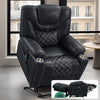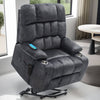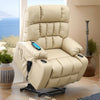


Elevating Care: The Evolution of Lift Chairs for the Elderly
The History of Lift Chairs and Their Impact
Lift chairs have come a long way since their inception. They first appeared in the 1950s as a solution for mobility issues. These early models were basic and had limited features. They helped people stand up but lacked comfort for extended sitting. Over time, lift chairs evolved to meet the growing needs of the elderly population. They became more comfortable and offered better support. The impact of lift chairs on elderly care has been significant. They have improved independence and reduced the risk of falls. This has led to better quality of life for many older adults.

Technological Advancements in Lift Chair Design
Recent years have seen remarkable progress in lift chair technology. Modern lift chairs now incorporate advanced features for enhanced comfort and safety. Some key advancements include:
- Dual and triple motor systems for precise positioning
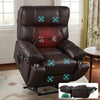
- Heat and massage functions for pain relief
- Memory foam cushions for improved comfort
- Battery backup systems for power outages
- Remote controls with easy-to-use interfaces
These innovations have made lift chairs more versatile and user-friendly. They cater to a wider range of mobility needs and preferences. The integration of smart technology is also on the rise, promising even more advanced features in the future.
Regulatory Changes and Compliance in the United States
The lift chair industry in the US is subject to various regulations. These ensure safety and quality standards are met. The Food and Drug Administration (FDA) classifies lift chairs as medical devices. This means they must comply with specific guidelines. Manufacturers must register with the FDA and follow Good Manufacturing Practices. Safety standards are also set by organizations like UL (Underwriters Laboratories). These regulations have evolved to keep pace with technological advancements. They now cover aspects like electrical safety and weight capacity. Compliance with these standards is crucial for manufacturers to remain competitive in the market.
The Role of Lift Chairs in Supporting Elderly Mobility
Enhancing Quality of Life Through Improved Accessibility
Lift chairs play a crucial role in enhancing the quality of life for older adults. They provide easy access to seated and standing positions. This improved accessibility has numerous benefits:

- Reduced strain on joints and muscles
- Increased independence in daily activities
- Better posture and comfort while seated
- Decreased risk of falls and injuries
- Enhanced social interaction by making it easier to join conversations
By addressing these mobility challenges, lift chairs help older adults maintain their dignity and autonomy. They can perform tasks like reading, watching TV, or engaging in hobbies with greater ease. This contributes to a more active and fulfilling lifestyle, promoting overall well-being.
How Lift Chairs Can Influence Rehabilitation and Recovery
Lift chairs are valuable tools in rehabilitation and recovery processes for older adults. They support various aspects of physical therapy and post-surgery care. Here's how lift chairs can aid in recovery:
- Gradual mobility assistance during post-surgery periods
- Proper positioning for specific exercises and stretches
- Reduced stress on healing muscles and joints
- Improved circulation through adjustable positions
- Support for respiratory therapies in reclined positions
Healthcare professionals often recommend lift chairs as part of home care plans. They help patients maintain prescribed positions and aid in the transition to normal activities. This can lead to faster recovery times and better long-term outcomes for elderly patients.
Case Studies: Effective Lift Chair Implementations
Real-world examples demonstrate the positive impact of lift chairs on elderly care. One case study involved a retirement community in Florida. They introduced lift chairs in common areas and saw a 30% decrease in fall incidents. Another study focused on a 75-year-old arthritis patient. After using a lift chair for six months, she reported improved mobility and reduced pain. A nursing home in California implemented lift chairs in resident rooms. They observed increased patient independence and reduced caregiver strain. These cases highlight the practical benefits of lift chairs in various care settings.
The Future of Lift Chair Design
Anticipating Consumer Needs: Trends in Lift Chairs
The lift chair market is evolving to meet changing consumer demands. Several trends are shaping the future of lift chair design:

- Sleeker, more stylish designs that blend with home decor
- Customizable options for size, fabric, and features
- Eco-friendly materials and manufacturing processes
- Lightweight, portable models for travel and small spaces
- Enhanced ergonomics for better long-term comfort
Manufacturers are focusing on creating products that cater to diverse needs and preferences. This includes addressing the needs of younger users with mobility issues. The trend towards aging in place is also driving innovation in lift chair design. Future models may offer more features to support independent living at home.
The Integration of Smart Technology in Lift Chairs
Smart technology is set to revolutionize lift chair functionality. Future designs may incorporate features like:
- Voice-activated controls for hands-free operation
- Sensors to detect user position and adjust automatically
- Integration with home automation systems
- Health monitoring capabilities (heart rate, sleep patterns)
- Smartphone apps for remote control and data tracking
These smart features will enhance safety and convenience for users. They will also provide valuable data for healthcare providers. This integration of technology will make lift chairs an integral part of smart home and healthcare ecosystems.
Strategic Partnerships and Market Opportunities for Lift Chair Manufacturers
The growing demand for lift chairs presents numerous opportunities for manufacturers. Strategic partnerships are becoming increasingly important. Collaborations with healthcare providers can lead to better product design and distribution. Partnerships with tech companies can accelerate the integration of smart features. There's also potential for collaborations with home decor brands to improve aesthetics. The global aging population is expanding the market for lift chairs. Emerging markets in Asia and Latin America offer growth potential. Manufacturers who can adapt to local needs and regulations will have an advantage. As the industry evolves, those who innovate and form strategic alliances will likely lead the market.