

The Evolution of Lift Technology: A Brief History
The origins of ski lift systems
Ski lifts have come a long way since their humble beginnings. The first ski lifts were simple rope tows. These were powered by car engines or water wheels. Skiers would grab onto a moving rope to be pulled up the slope.

In the 1930s, the chairlift was invented. This was a game-changer for ski resorts. It made skiing more accessible and enjoyable for many people. The first chairlift was installed in Sun Valley, Idaho in 1936.
Over time, ski lifts became more advanced. They could carry more people and move faster. Safety features were also improved. This led to the development of high-speed detachable lifts in the 1980s.
Advancements in comfort and convenience
As ski lifts evolved, so did their comfort features. Early chairlifts were basic and exposed to the elements. Today's lifts often have weather protection. This includes bubble covers and heated seats.
Lift capacity has also increased. Modern lifts can carry up to eight people per chair. This reduces wait times and increases efficiency. Some lifts now have loading carpets. These help skiers get on the lift more easily.
Technology has played a big role in lift comfort. Many lifts now have digital displays. These show information like weather conditions and trail status. Some lifts even have Wi-Fi access for passengers.
The Elderly Lift: Integrating Recliners into Lift Design
The importance of accessibility and comfort in elevating facilities
As the population ages, there's a growing need for accessible design. This includes elevating facilities like lifts and elevators. For the elderly, comfort and ease of use are crucial.

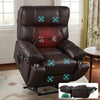
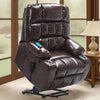
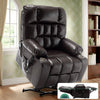
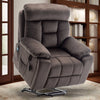
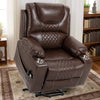
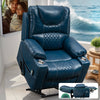
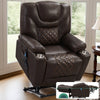
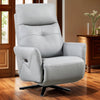
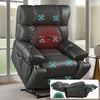
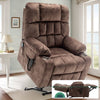
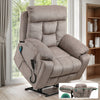
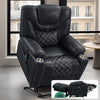
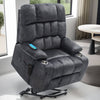
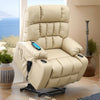
Lift recliners have become popular in homes. They help older adults stand up and sit down safely. Now, this technology is being adapted for public spaces. This includes ski resorts and other recreational areas.
Accessible lifts benefit everyone, not just the elderly. They make activities more inclusive. This can lead to increased participation and enjoyment for all ages.
Technological innovations in reclining lift seats
Reclining lift seats are a major innovation in comfort technology. These seats can adjust to various positions. This helps reduce strain on the body during ascent and descent.
Some lift recliners now have memory foam padding. This provides extra comfort and support. Adjustable armrests and footrests are also common features. These allow users to find their ideal position.
Advanced models include heating elements. These keep passengers warm in cold weather. Some seats even have massage functions. This can help relax muscles and improve circulation.
The Future of Reclining Lifts in the United States
Regulatory compliance and safety standards
As reclining lifts become more common, safety standards are evolving. The Americans with Disabilities Act (ADA) sets guidelines for accessibility. Lift manufacturers must meet these standards.

Safety features are a top priority. This includes emergency stop buttons and backup power systems. Lifts must also be designed to prevent falls and other accidents. Regular inspections and maintenance are required by law.
New technologies are being developed to enhance safety. This includes sensors that detect obstacles. Some lifts now have automated loading and unloading systems. These help prevent accidents during boarding.
Potential market growth and consumer expectations
The market for reclining lifts is expected to grow in the coming years. This is due to an aging population and increased focus on accessibility. Consumers are demanding more comfort and convenience in public spaces.
Ski resorts are leading the way in adopting this technology. Many are upgrading their lift systems to include reclining seats. This can attract more visitors, especially older adults.
Other industries are also showing interest. This includes amusement parks and public transportation. As the technology improves, it may become standard in many elevating facilities.
Consumers expect lifts to be both comfortable and efficient. They want features like quick loading times and smooth rides. Environmental concerns are also driving innovation. Many new lifts are designed to be more energy-efficient.
In conclusion, the adaptation of ski lift technology for the elderly is an exciting development. It shows how innovation can improve accessibility and comfort for all. As this technology continues to evolve, we can expect to see more comfortable and inclusive public spaces. The future of reclining lifts looks bright, promising enhanced experiences for users of all ages and abilities.