

Understanding the Ergonomic Needs of Your Business
The Importance of Ergonomics in the Workplace
Ergonomics plays a vital role in creating a healthy and productive work environment. It focuses on designing workspaces that fit the needs of employees. Good ergonomics can reduce injuries, boost productivity, and improve job satisfaction.

Proper seating is a key aspect of ergonomics. It helps prevent back pain, neck strain, and other health issues. Ergonomic chairs support good posture and reduce the risk of repetitive stress injuries. They also promote better blood flow and reduce fatigue.
Investing in ergonomic seating can lead to long-term benefits for your business. It can lower healthcare costs and decrease absenteeism. Moreover, it shows that you care about your employees' well-being, which can boost morale and retention.
Identifying Common Ergonomic Issues and Solutions
Many workplace ergonomic issues stem from poor seating arrangements. Common problems include:
- Back pain from lack of lumbar support
- Neck strain from improper monitor height
- Wrist pain from incorrect keyboard positioning
- Leg discomfort from inadequate seat depth
Solutions to these issues often involve adjustable seating options. Chairs with lumbar support can help with back pain. Height-adjustable chairs allow for proper alignment with desks and monitors. Armrests can reduce strain on shoulders and wrists.
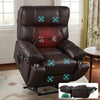
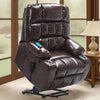
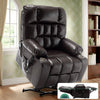
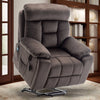
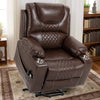
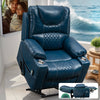
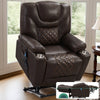
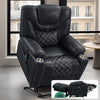
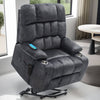
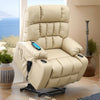
For employees with mobility issues, power lift chair recliners can be a game-changer. These chairs help users stand up and sit down safely, reducing the risk of falls and injuries.
Assessing the Unique Ergonomic Requirements for Your Industry
Different industries have unique ergonomic needs. Office workers may require chairs with good back support and adjustability. Healthcare workers might benefit from chairs that are easy to clean and move around.
In manufacturing, workers may need chairs that can swivel and adjust to different heights. Retail employees might require chairs that provide comfort during long periods of standing.
Consider conducting an ergonomic assessment of your workplace. This can help identify specific needs and guide your seating choices. Remember, one size doesn't fit all when it comes to ergonomic solutions.
Lift Chairs and Massage Chairs: A Comprehensive Guide
What are Lift Chairs and How Can They Benefit Your Business
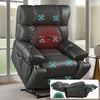
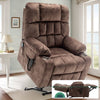
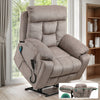
Lift chairs are specialized recliners that help users stand up and sit down safely. They use a powered lifting mechanism to tilt forward and raise the seat. This feature is especially helpful for people with mobility issues or recovering from injuries.

Benefits of lift chairs in the workplace include:
- Improved safety for employees with mobility challenges
- Reduced risk of workplace injuries
- Increased independence for users
- Enhanced comfort during breaks or meetings
Lift chairs can be particularly beneficial in healthcare settings, rehabilitation centers, and offices with aging workforce. They promote inclusivity and can help extend the working life of valuable employees.
The Health and Productivity Benefits of Massage Chairs
Massage chairs offer a unique blend of comfort and therapeutic benefits. They can help reduce stress, alleviate muscle tension, and improve circulation. In a workplace setting, massage chairs can serve as a powerful tool for employee wellness.
Regular use of massage chairs can lead to:
- Reduced back and neck pain
- Improved relaxation and stress relief
- Enhanced focus and productivity
- Better overall employee well-being
Incorporating massage chairs in break rooms or relaxation areas can create a positive work environment. It shows that you value your employees' health and are willing to invest in their comfort.
Key Considerations When Selecting Lift Chairs and Massage Chairs
When choosing lift chairs or massage chairs for your workplace, consider the following factors:
- User needs: Consider the specific requirements of your employees
- Space availability: Ensure you have adequate room for the chairs
- Adjustability: Look for chairs with multiple settings to suit different users
- Durability: Choose chairs that can withstand frequent use
- Maintenance: Consider ease of cleaning and upkeep
- Cost: Balance upfront costs with long-term benefits
- Warranty: Look for chairs with good warranty coverage
For lift chairs, pay attention to weight capacity and the range of lift angles. For massage chairs, consider the types of massage techniques offered and intensity levels available.
Implementing Ergonomic Seating in Your Workplace
Best Practices for Installing Lift Chairs and Massage Chairs
Proper installation of lift chairs and massage chairs is crucial for their effectiveness and safety. Here are some best practices:

- Choose appropriate locations: Place chairs in easily accessible areas
- Ensure proper power supply: Install chairs near electrical outlets
- Allow ample space: Provide enough room for chair movement and user access
- Consider privacy: Create semi-private areas for massage chairs
- Follow manufacturer guidelines: Adhere to installation instructions carefully
- Test before use: Ensure all functions work properly after installation
- Train installers: Make sure installation team understands the chairs' features
For lift chairs, pay special attention to stability and ensure the floor can support the chair's weight. For massage chairs, consider noise levels and place them where they won't disturb others.
Training Employees on How to Use Lift Chairs and Massage Chairs Effectively
Proper training is essential to maximize the benefits of ergonomic seating. Here's how to effectively train your employees:
- Provide hands-on demonstrations: Show how to operate all chair functions
- Create user guides: Develop easy-to-follow instructions for each chair type
- Explain health benefits: Help employees understand how to use chairs for maximum benefit
- Address safety concerns: Teach proper entry and exit techniques for lift chairs
- Encourage regular use: Promote the use of massage chairs as part of wellness routines
- Offer ongoing support: Be available to answer questions and provide refresher training
Remember to tailor training to different user groups. Some employees may need more detailed instructions or additional support.
Monitoring and Maintaining Your Ergonomic Seating Investment
To ensure long-term benefits from your ergonomic seating investment, regular monitoring and maintenance are crucial. Here's what you should do:
- Schedule regular inspections: Check chairs for wear and tear or malfunction
- Clean regularly: Follow manufacturer guidelines for cleaning and sanitizing
- Address issues promptly: Fix any problems as soon as they're identified
- Gather user feedback: Ask employees about their experience with the chairs
- Track usage patterns: Monitor how often chairs are being used
- Update as needed: Replace or upgrade chairs based on wear and changing needs
- Review ergonomic benefits: Assess the impact on employee health and productivity
By maintaining your ergonomic seating properly, you can extend its lifespan and ensure it continues to benefit your employees. Regular upkeep also helps identify when it's time to replace or upgrade your seating solutions.