

Understanding the Benefits of Electric Chair Lifts for Aging Population
Exploring the Ergonomic Advantages for Mobility
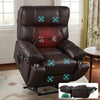
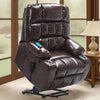
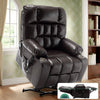
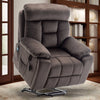
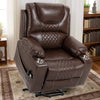
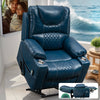
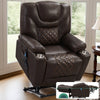
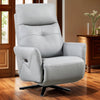
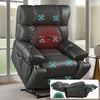
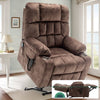
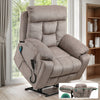
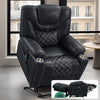
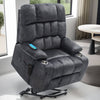
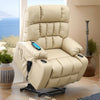
Electric chair lifts offer significant ergonomic benefits for those with mobility issues. These devices, similar to power recliners, provide support and ease of movement. They reduce strain on joints and muscles, making it easier to sit down and stand up. The adjustable features allow users to find comfortable positions, much like an ergonomic sofa. This can help alleviate pain and improve posture. Electric chair lifts also promote blood circulation by allowing users to change positions easily. They offer a sense of independence, boosting confidence and mental well-being.

How Electric Chair Lifts Can Improve Daily Living for the Elderly
Electric chair lifts can greatly enhance the quality of life for seniors. They provide a safe way to move between sitting and standing positions, reducing fall risks. This independence allows elderly individuals to maintain their daily routines with less assistance. Activities like reading, watching TV, or conversing become more enjoyable with the comfort of an adjustable couch. Electric lifts can help seniors conserve energy for other tasks, improving overall stamina. They also promote better sleep by allowing users to find optimal resting positions. These devices can extend the time seniors can live independently in their homes.
Integrating Electric Chair Lifts into Your Home: A Step-by-Step Guide
Assessing Your Home for Compatibility and Installation Requirements
Before purchasing an electric chair lift, assess your home's layout. Consider the room where you'll place the lift and ensure enough space for operation. Measure doorways and hallways to ensure the lift can pass through easily. Check your home's electrical system to see if it can support the lift's power needs. Consider the flooring type and ensure it can bear the weight of the lift and user. Look for nearby power outlets to avoid using extension cords. Assess the room's lighting to ensure visibility when operating the lift. If you have stairs, determine if a stairlift might be a better option.
Navigating the Purchase: What to Look for in a Quality Electric Chair Lift
When buying an electric chair lift, consider the user's size and weight capacity needs. Look for models with smooth, quiet operation for comfort. Check for safety features like emergency stop buttons and backup power options. Ensure the controls are easy to use, with large buttons and clear instructions. Consider lifts with multiple position settings for versatility. Look for durable materials that are easy to clean and maintain. Check warranty terms and availability of customer support. Read user reviews to get real-world insights on reliability and comfort. Compare prices from different retailers to get the best value.
The Installation Process: Preparing Your Home and Connecting the Lift
Prepare your home by clearing the area where the lift will be installed. Remove any furniture or obstacles that might interfere with the lift's operation. If needed, reinforce the floor to support the lift's weight. Ensure proper electrical wiring is in place, consulting an electrician if necessary. Follow the manufacturer's guidelines for installation, or hire a professional installer. Place the lift in the designated area and secure it according to instructions. Connect the lift to a power source, ensuring the cord is safely tucked away. Test the lift's functions to ensure proper operation. Adjust the settings for the user's comfort and safety needs.
Best Practices and Tips for Using Electric Chair Lifts
Routine Maintenance and Safety Checks
Regular maintenance is crucial for the longevity and safety of electric chair lifts. Perform visual inspections weekly, checking for wear or damage. Keep the lift clean, wiping down surfaces and removing debris regularly. Lubricate moving parts as recommended by the manufacturer. Check electrical connections monthly to ensure they're secure and undamaged. Test all functions of the lift regularly, including emergency features. Replace batteries in remote controls as needed. Schedule professional maintenance annually or as advised by the manufacturer. Keep a log of maintenance activities and any issues encountered. Address any unusual noises or movements promptly to prevent major problems.

Maximizing the Lift's Benefits: Practical Tips from Users
To get the most from your electric chair lift, use it consistently as part of your daily routine. Adjust settings throughout the day to maintain comfort and prevent stiffness. Use the lift's features to assist with exercises recommended by your healthcare provider. Keep the remote control within easy reach at all times. Combine the lift with other assistive devices for comprehensive mobility support. Use the lift to change positions regularly, promoting better circulation. Teach family members or caregivers how to operate the lift safely. Consider using a seat cushion for added comfort during extended use. Use the lift's recline feature for short rest periods during the day.
Understanding the Limitations: When to Seek Assistance
While electric chair lifts offer many benefits, it's important to recognize their limitations. If you experience difficulty using the controls, seek help from a family member or caregiver. Don't use the lift if you feel dizzy or unsteady, as this increases fall risk. If the lift makes unusual noises or movements, stop using it and contact the manufacturer. Seek assistance when getting in or out of the lift if you feel unsure or weak. Don't exceed the weight limit specified by the manufacturer. If your mobility needs change significantly, consult a healthcare provider about alternatives. Remember that the lift is an aid, not a substitute for medical care or physical therapy. If you experience pain while using the lift, consult your doctor.