

Understanding Mobility-Access: The Key to Aging in Place
The Role of Mobility-Access in Supportive Care
Mobility-access plays a crucial role in supportive care for the elderly. It allows seniors to move freely and safely in their homes. This freedom is vital for maintaining independence and quality of life. Proper mobility solutions can prevent falls and injuries. They also reduce the need for constant caregiver assistance.

Mobility-access tools range from simple grab bars to advanced lift chairs. These tools help seniors perform daily tasks with ease. They can use the bathroom, climb stairs, or move between rooms safely. This independence boosts mental health and self-esteem. It also lessens the burden on family members and caregivers.
Assessing Home Accessibility for the Elderly
Assessing home accessibility is a key step in creating an age-friendly environment. This process involves examining every area of the home. Look for potential hazards and obstacles that may limit mobility. Check doorways, staircases, and bathrooms for accessibility issues.
Consider the specific needs of the elderly person living in the home. Their physical condition and limitations should guide the assessment. Common areas to evaluate include:
- Entrance and exit points
- Bathroom safety features
- Kitchen accessibility
- Bedroom layout
- Staircase safety
Professional assessors can provide detailed reports and recommendations. They can suggest specific modifications to improve accessibility and safety.
Innovative Mobility-Access Products for the Home
The Latest in Lift Chairs and Stair Lifts
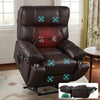
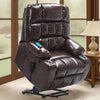
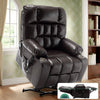
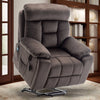
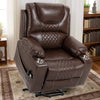
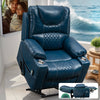
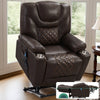
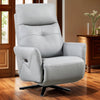
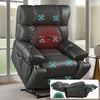
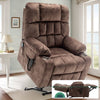
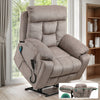
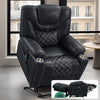
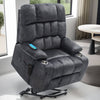
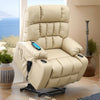
Lift chairs and stair lifts are essential mobility-access products for many seniors. Modern lift chairs, like the golden power lift chair, offer comfort and functionality. These chairs help users stand up or sit down with ease. They often include features like heat and massage for added comfort.

Stair lifts have also seen significant improvements. New models are sleeker and more compact. They can be installed on various staircase types, including curved ones. Some features of modern stair lifts include:
- Foldable seats and footrests
- Remote controls for easy operation
- Safety sensors to detect obstacles
- Battery backup for use during power outages
These products greatly enhance mobility and independence for seniors with limited mobility.
Home Elevators: Combining Functionality and Style
Home elevators are becoming more popular in multi-story homes. They offer a stylish and practical solution for mobility access. Modern home elevators are compact and can fit in small spaces. They come in various designs to match different home aesthetics.
Home elevators provide several benefits:
- Easy access to all floors of the home
- Increased property value
- Enhanced safety compared to stairs
- Option for wheelchair accessibility
While more expensive than stair lifts, home elevators offer a long-term solution. They can accommodate changing mobility needs as one ages.
Smart Home Technologies for Accessibility
Smart home technologies are revolutionizing mobility access for seniors. These systems can control various aspects of the home environment. Voice-activated assistants can help with tasks like turning lights on or off. Smart sensors can detect falls and alert caregivers.
Other helpful smart technologies include:
- Automated doors and windows
- Voice-controlled thermostats
- Smart medication dispensers
- Remote monitoring systems
These technologies enhance safety and convenience. They allow seniors to maintain control over their environment with minimal physical effort.
Implementing Mobility-Access in the United States
Best Practices for Installation and Maintenance
Proper installation and maintenance are crucial for mobility-access solutions. Always hire certified professionals for installation. They ensure that equipment meets safety standards and functions correctly. Regular maintenance is essential to keep devices working properly.

Best practices for installation and maintenance include:
- Following manufacturer guidelines strictly
- Conducting regular safety checks
- Keeping user manuals accessible
- Training all household members on proper use
- Scheduling professional inspections annually
Proper care extends the life of mobility-access equipment. It also ensures the safety of the users.
Navigating Regulatory Standards and Safety Guidelines
In the United States, mobility-access solutions must meet certain standards. The Americans with Disabilities Act (ADA) provides guidelines for accessibility. State and local building codes may have additional requirements. It's important to be aware of these regulations when installing mobility-access equipment.
Key areas of focus include:
- Ramp slopes and handrail heights
- Doorway widths for wheelchair access
- Bathroom grab bar placement
- Elevator and lift safety features
Consulting with a specialist can help ensure compliance with all relevant standards. This step is crucial for both safety and legal reasons.
Insights on Cost and ROI for Mobility-Access Modifications
Investing in mobility-access modifications can seem costly. However, the return on investment (ROI) is often significant. These modifications can increase property value. They also reduce the need for assisted living or nursing home care.
Costs vary widely depending on the modifications needed. Simple changes like grab bars are relatively inexpensive. More complex solutions like home elevators require a larger investment. Many find that the benefits outweigh the costs in the long run.
Consider these factors when evaluating ROI:
- Increased home safety and reduced risk of falls
- Extended ability to live independently
- Potential savings on long-term care costs
- Improved quality of life for seniors
Some financial assistance may be available through Medicare, Medicaid, or local programs. Exploring these options can help offset the costs of mobility-access modifications.