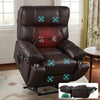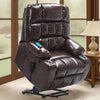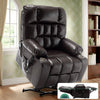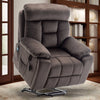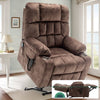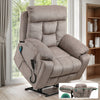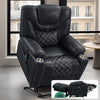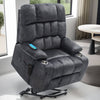


Understanding the Importance of Comfort and Well-Being for Seniors
The Role of Recliners in Senior Lifestyle and Health
Recliners play a crucial role in the lives of seniors. They offer comfort and support for aging bodies. These chairs help seniors relax and ease pain. Good recliners can improve sleep quality and reduce stress.

Seniors often spend more time at home. A quality recliner becomes their favorite spot. It's where they read, watch TV, and nap. The right recliner can prevent muscle stiffness and promote better posture.
For those with mobility issues, recliners are a blessing. They make it easier to sit down and stand up. This independence boosts confidence and quality of life for seniors.
Assessing the Need for Lift, Massage, and Heat Features in Recliners
When choosing a recliner for seniors, special features are worth considering. Lift, massage, and heat functions can greatly benefit the elderly.
Lift features help seniors stand up safely. This reduces the risk of falls and strain. It's ideal for those with weak legs or balance issues.
Massage functions can ease muscle tension and improve circulation. They offer relief from arthritis pain and stiffness. Regular use may help seniors feel more relaxed and mobile.
Heat features provide warmth and comfort. They can soothe aching joints and muscles. For seniors with poor circulation, heat can be very beneficial.
These features combined create a chair that's more than just furniture. It becomes a tool for better health and comfort in daily life.
Evaluating the Top Lift Recliner Chairs for Elderly Use
Key Considerations When Choosing Lift Recliners for Seniors
Selecting the right lift recliner for seniors requires careful thought. Here are some key factors to consider:

- Size and fit: The chair should suit the user's body size.
- Weight capacity: Ensure it can support the user's weight safely.
- Ease of use: Controls should be simple and easy to reach.
- Durability: Look for sturdy construction and quality materials.
- Safety features: Non-slip feet and backup power are important.
- Comfort: Padding and support should be adequate for long sits.
- Fabric: Choose easy-to-clean, breathable materials.
Remember, the best recliner is one that meets the specific needs of the senior using it.
How Lift Recliners Can Enhance Daily Living for the Elderly
Lift recliners can significantly improve the quality of life for seniors. Here's how:
- Increased independence: Seniors can sit and stand without help.
- Better posture: Proper support reduces strain on the back and neck.
- Improved circulation: Elevated legs help blood flow.
- Pain relief: Heat and massage features ease aches and pains.
- Fall prevention: The lift function reduces the risk of falls.
- Comfort for health conditions: Helps manage issues like edema or COPD.
- Better sleep: Some seniors find it easier to sleep in a recliner.
These benefits can lead to happier, more comfortable days for elderly users.
Comparative Analysis: Lift Recliner Features and Benefits
When comparing lift recliners, it's helpful to look at specific features:
- Lift mechanism: Look for smooth, quiet operation.
- Recline positions: More options offer better customization.
- Remote control: Should be easy to use with large buttons.
- Battery backup: Ensures the chair works during power outages.
- Massage intensity: Variable settings suit different preferences.
- Heat zones: Multiple areas provide targeted comfort.
- Upholstery options: Variety in fabrics and colors.
Consider which features matter most to the senior user. Some may prioritize comfort, while others focus on ease of use.
Remember, the best recliner balances features with the user's needs and budget.
Implementing Lift Recliners in Long-Term Care Settings
Strategies for Integrating Recliners into Senior Care Communities
Introducing lift recliners in senior care facilities requires thoughtful planning. Here are some strategies:

- Assess individual needs: Match recliners to residents' specific requirements.
- Train staff: Ensure caregivers know how to use and maintain the chairs.
- Create comfortable spaces: Place recliners in common areas and private rooms.
- Consider mobility: Ensure enough space for wheelchairs and walkers.
- Implement safety protocols: Regularly check chairs for proper function.
- Encourage use: Educate residents on the benefits of using the recliners.
- Gather feedback: Regularly ask residents and staff for their opinions.
By following these steps, care communities can successfully integrate lift recliners.
The Impact of Lift Recliners on Elderly Mobility and Independence
Lift recliners can greatly affect seniors' mobility and independence. Here's how:
- Easier transitions: Seniors can move from sitting to standing with less effort.
- Reduced caregiver strain: Less physical assistance is needed for transfers.
- Increased confidence: Seniors feel more secure in their movements.
- Maintained strength: Regular use of lift function can help preserve muscle tone.
- Better posture: Proper seating position encourages good alignment.
- Improved circulation: Leg elevation helps reduce swelling.
- Enhanced comfort: Less pain and stiffness can lead to more activity.
These improvements can lead to a more active and fulfilling life for seniors.
Best Practices for Choosing and Using Lift Recliners in Senior Facilities
To make the most of lift recliners in senior care settings, follow these best practices:
- Involve residents: Let them test chairs and give input on selection.
- Consider room layouts: Ensure chairs fit well in living spaces.
- Prioritize maintenance: Regular checks and cleaning extend chair life.
- Provide clear instructions: Post simple guides for chair operation.
- Offer support: Have staff available to assist with chair use as needed.
- Monitor usage: Keep track of how often and how long chairs are used.
- Adapt as needed: Be ready to make changes based on resident feedback.
By following these practices, facilities can maximize the benefits of lift recliners for their residents. The goal is to create a safe, comfortable environment that promotes independence and well-being.