

Introduction to Lift Chairs and Ski Lift Chairs
Understanding the Mechanisms of Lift Chairs
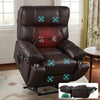
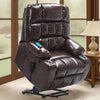
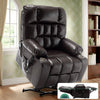
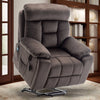
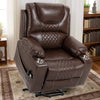
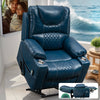
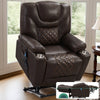
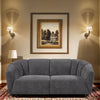
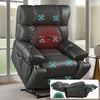
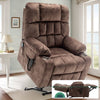
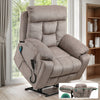
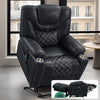
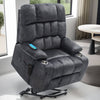
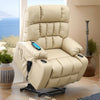
Lift chairs are specialized recliners designed to help people with mobility issues. They use a power mechanism to tilt and rise, making it easier for users to stand up or sit down. These chairs have a motor and lifting system hidden in the base. When activated, the chair slowly tilts forward and upward. This motion gently assists the user to a near-standing position. The controls are usually simple, with buttons for up and down movements. Some models offer multiple positions for added comfort. Lift chairs come in various sizes and styles to suit different needs and home decors.

Ski Lift Chairs: A Brief Overview
Ski lift chairs are transportation devices used at ski resorts. They carry skiers and snowboarders up the mountain slopes. Unlike lift chairs for the elderly, ski lifts are outdoor structures. They consist of chairs or benches attached to a continuously moving cable loop. The cable runs between two wheels at the top and bottom of the slope. As the cable moves, it carries the chairs up the mountain. Skiers board at the bottom station and disembark at the top. Modern ski lifts can have features like weather shields and safety bars. They're designed to operate in harsh winter conditions and carry multiple passengers.
Key Differences Between Lift Chairs and Ski Lift Chairs
Lift Chairs vs. Ski Lift Chairs: Purpose and Design
Lift chairs and ski lift chairs serve very different purposes. Lift chairs are indoor furniture designed for personal use. They help individuals with limited mobility in their daily lives. These chairs are often found in homes or care facilities. They provide comfort and independence for users. Ski lift chairs, on the other hand, are outdoor transport systems. They serve multiple users in a recreational setting. Ski lifts are built to withstand harsh weather and heavy use. They're designed for quick boarding and exit. Lift chairs prioritize comfort and ease of use for a single person. Ski lifts focus on efficiency and safety for many users.

Technological Advancements in Lift Chairs
Lift chairs have seen significant technological improvements in recent years. Many now include advanced features for comfort and convenience. Some models offer heat and massage functions. These can help with pain relief and relaxation. Memory foam cushioning provides better support and comfort. USB charging ports allow users to keep devices powered while seated. Some lift chairs now have smart home integration. This allows voice control or smartphone app operation. Advanced models may include position memory settings. These remember a user's preferred angles for easy adjustment. Improved motor technology has made lift chairs quieter and smoother in operation.
Safety Features of Ski Lift Chairs
Ski lift chairs are designed with numerous safety features. These ensure the well-being of skiers and snowboarders. Most modern ski lifts have restraining bars that lower over passengers. This prevents falls during the ride. Many chairs now include foot rests for added comfort and security. Weather shields or bubbles protect riders from wind and snow on some lifts. Emergency stop buttons are placed at various points along the lift line. These allow quick shutdown if problems occur. Automatic braking systems prevent the lift from sliding backward if power fails. Regular maintenance and daily inspections are crucial for safe operation. Ski patrol teams are trained to perform rescues if a lift stops unexpectedly.
Applications and Future Trends in Lift Chairs
Lift Chairs in the United States: Usage and Impact
Lift chairs have become increasingly popular in the United States. They're particularly common among the elderly and those with mobility issues. These chairs help maintain independence and quality of life for many users. They reduce the risk of falls when standing up or sitting down. This can prevent injuries and hospital visits. Lift chairs are often covered by Medicare if prescribed by a doctor. This has made them more accessible to those who need them. Many users report improved comfort and ability to relax at home. The chairs can help with conditions like arthritis, back pain, and circulation problems. They're also useful for people recovering from surgery or injury.

Innovations and Future Outlook for Lift Chairs
The future of lift chairs looks promising with ongoing innovations. Researchers are exploring ways to make these chairs even more helpful. Some companies are working on smart lift chairs with health monitoring features. These could track vital signs and alert caregivers if there's a problem. AI integration might allow chairs to learn user habits and adjust automatically. Improved battery technology could make cordless lift chairs more practical. This would increase placement flexibility in homes. Some designers are focusing on making lift chairs more stylish and less medical-looking. This could help reduce stigma and increase adoption among younger users with disabilities.
The Role of Lift Chairs in Aging Population Management
Lift chairs play a crucial role in managing the needs of an aging population. They provide a practical solution for maintaining independence at home. This can delay or prevent the need for assisted living facilities. Lift chairs can reduce caregiver strain by making it easier to help loved ones sit or stand. They contribute to fall prevention, a major concern for older adults. By enabling better rest and relaxation, these chairs can improve overall health and well-being. As the population ages, lift chairs may become standard features in many homes. They're part of a broader trend towards age-friendly design and technology. Lift chairs support the concept of "aging in place," allowing seniors to stay in their homes longer.