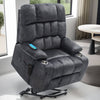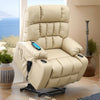


Understanding the Differences: Lay Flat vs. Lift Recliners
Overview of Lay Flat Recliners
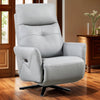
Lay flat recliners are designed for ultimate relaxation. They offer a full recline position, allowing users to lie completely flat. These chairs are perfect for napping or watching TV in comfort. Lay flat recliners come in various styles and materials. They often feature smooth reclining mechanisms for easy adjustment. Some models include additional features like built-in massagers or heating elements. Lay flat recliners are ideal for those who prioritize comfort and relaxation in their living spaces.

Overview of Lift Recliners
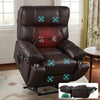
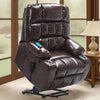
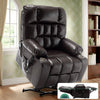
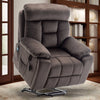
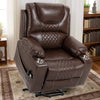
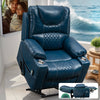
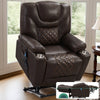
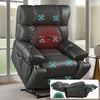
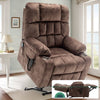
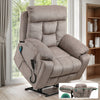
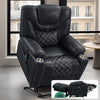
Lift recliners are specialized chairs designed to aid mobility. They feature a powered lifting mechanism that helps users stand up easily. These chairs are perfect for seniors or those with limited mobility. Lift recliners offer various recline positions, including a partial or full recline. They often come with remote controls for easy operation. Many models include extras like cup holders or storage pockets. Lift recliners prioritize both comfort and functionality, making daily tasks easier for users.
Key Features That Distinguish Them
Lay flat and lift recliners have distinct features that set them apart. Here are the key differences:
- Reclining Mechanism: Lay flat recliners offer a full horizontal position. Lift recliners may not recline fully flat.
- Lifting Function: Lift recliners have a powered lifting mechanism. Lay flat recliners do not offer this feature.
- Target Users: Lay flat recliners are for general comfort. Lift recliners cater to those with mobility issues.
- Space Requirements: Lay flat recliners often need more room. Lift recliners can be more compact.
- Price Range: Lift recliners are usually pricier due to their advanced features.
- Customization: Lift recliners often offer more adjustment options.
- Power Source: Lift recliners require electricity. Lay flat recliners can be manual or powered.
Evaluating the Benefits: Lay Flat vs. Lift Recliners
Advantages of Lay Flat Recliners
Lay flat recliners offer several benefits for users:

- Full Recline: Perfect for napping or stargazing indoors.
- Versatility: Suitable for various activities like reading or watching TV.
- Comfort: Provides excellent support for the entire body.
- Aesthetics: Often more stylish and fits well with home decor.
- Simplicity: Usually easier to operate with fewer moving parts.
- Cost-Effective: Generally more affordable than lift recliners.
- Space-Saving: Some models are wall-huggers, requiring less room.
- Durability: Often have simpler mechanisms, potentially lasting longer.
Advantages of Lift Recliners
Lift recliners come with unique benefits:
- Mobility Assistance: Helps users stand up easily.
- Independence: Allows seniors to maintain autonomy.
- Pain Relief: Can alleviate pressure on joints and back.
- Multiple Positions: Offers various recline angles for comfort.
- Safety: Reduces the risk of falls when standing up.
- Customization: Many models offer heat and massage features.
- Medical Benefits: Can aid in recovery after surgery.
- Versatility: Suitable for both relaxation and assistance.
Comparative Analysis of User Comfort and Space Efficiency
When comparing user comfort, both types of recliners have their strengths. Lay flat recliners excel in providing a full recline position. This is ideal for those who enjoy napping or need to elevate their legs fully. They offer unmatched comfort for extended periods of relaxation. However, they may require more space to function properly. Lift recliners, while comfortable, focus more on ease of use and mobility assistance. They often have multiple positions, allowing users to find their perfect angle. In terms of space efficiency, lift recliners generally have an edge. Many models are designed to be placed closer to walls, saving valuable floor space. Lay flat recliners, especially those that recline fully, may need more clearance. However, some lay flat models now come in space-saving designs. Ultimately, the choice depends on individual needs and available space.
The Ultimate Guide to Selecting Your Recliner
Factors to Consider When Choosing a Recliner
Selecting the right recliner involves several key factors:

- Purpose: Determine if you need relaxation or mobility assistance.
- Size: Consider both the chair's dimensions and your body size.
- Room Space: Measure your available space, including recline area.
- Material: Choose fabric or leather based on durability and style preferences.
- Features: Decide on extras like massage, heat, or built-in USB ports.
- Budget: Set a realistic budget, considering long-term value.
- Health Needs: Consider any medical conditions that may influence your choice.
- Style: Ensure the recliner matches your home decor.
- Brand Reputation: Research brands known for quality and customer service.
- Warranty: Check warranty terms for peace of mind.
How to Measure for the Perfect Fit
Finding the right-sized recliner is crucial for comfort. Here's how to measure:
- Seat Width: Measure your hips while seated. Add 2 inches for comfort.
- Seat Depth: Measure from your back to your knees. Subtract 1-2 inches.
- Seat Height: Measure from the floor to the back of your knee.
- Backrest Height: Measure from your seat to the top of your head. Add 4 inches.
- Reclined Length: Measure from your head to your feet while lying down.
- Room Space: Measure the area where you'll place the recliner.
- Doorways: Ensure the recliner can fit through doors during delivery.
Remember, these measurements are guidelines. Always test the chair in person if possible.
Expert Tips for Maintaining Your Recliner Chair
Proper maintenance ensures your recliner lasts longer:
- Regular Cleaning: Vacuum fabric recliners weekly. Wipe leather with a damp cloth.
- Spot Cleaning: Address spills immediately to prevent staining.
- Lubrication: Apply silicone spray to moving parts annually.
- Tightening: Check and tighten screws and bolts every few months.
- Rotation: If possible, rotate the recliner to even out wear.
- Protective Measures: Use arm covers and headrest protectors.
- Professional Cleaning: Schedule deep cleaning annually for fabric recliners.
- Avoid Overloading: Stay within the weight limit to prevent damage.
- Gentle Operation: Handle the reclining mechanism with care.
- Address Issues Promptly: Don't ignore strange noises or resistance.
By following these tips, you can enjoy your recliner for years to come.