

Understanding the Evolution of Seating in Modern Interiors
The Journey from Traditional to Modern Furniture
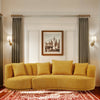
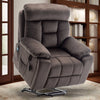
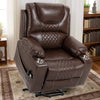
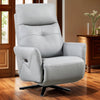
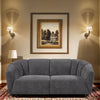
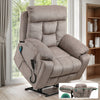
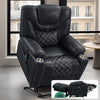
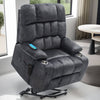
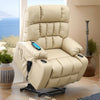
Seating has come a long way from simple wooden chairs to innovative designs. Traditional furniture focused on form and function. Modern seating blends comfort, style, and technology. The shift began in the mid-20th century with designers like Eames and Saarinen. They introduced new materials and shapes. Today, we see a mix of classic and contemporary styles. Modular sofas and lay flat recliner chairs are popular choices. These pieces offer both comfort and flexibility. L-shaped couches have become a staple in many homes. They maximize seating space and adapt to different room layouts.

Why Comfort and Flexibility are Becoming Essential in Seating
In today's fast-paced world, people value versatility in their furniture. Comfort is no longer a luxury but a necessity. Flexible seating options allow for easy rearrangement. This is crucial in smaller living spaces. Modular sofas can be reconfigured to suit various needs. They work well for both entertaining and everyday use. Lay flat recliner chairs offer personalized comfort. They're perfect for relaxation and can even serve as temporary beds. L-shaped couches provide ample seating and can define spaces in open floor plans. These innovative solutions cater to the changing lifestyles of modern consumers.
Impact of Technological Advancements on Furniture Design
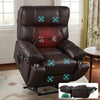
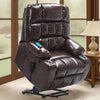
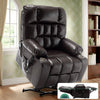
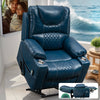
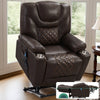
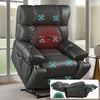
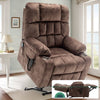
Technology has revolutionized furniture design, especially in seating. Smart features are now common in high-end chairs and sofas. Power lifting chairs help those with mobility issues. They make it easier to sit down and stand up. Some recliners have built-in USB ports for charging devices. Others feature voice-activated controls. Memory foam and gel-infused cushions provide superior comfort. Advanced fabrics resist stains and wear. 3D printing allows for customized furniture parts. This tech-driven approach is changing how we interact with our seating. It's making furniture more responsive to our needs and preferences.
Key Considerations for Selecting the Right Seating for Your Home
Assessing Ergonomic Quality in Furniture
Ergonomics is crucial when choosing seating for your home. Good ergonomic design supports your body's natural posture. It reduces strain and discomfort during long periods of sitting. Look for chairs with adjustable features. These include height, armrests, and lumbar support. For sofas, consider the seat depth and cushion firmness. They should allow you to sit comfortably with your feet on the floor. Lay flat recliner chairs should support your spine in various positions. Test furniture before buying if possible. Pay attention to how your body feels after sitting for a while. Remember, what's comfortable for a short time may not be for extended use.

Balancing Comfort with Aesthetic Appeal
Finding seating that is both comfortable and stylish can be challenging. But it's not impossible. Start by defining your interior design style. Then look for pieces that complement it. Modular sofas come in various designs, from sleek modern to cozy traditional. L-shaped couches can be both functional and fashionable. Choose fabrics and colors that match your decor. Leather is durable and timeless, while fabrics offer more color options. Consider the scale of the furniture in relation to your room. Oversized pieces can overwhelm small spaces. Remember, comfort doesn't have to mean sacrificing style. Many designers now create ergonomic furniture that's also visually appealing.
Durability and Longevity: What to Look for
Investing in durable seating saves money in the long run. Look for sturdy frames made of hardwood or metal. Check the quality of joints and fastenings. They should be reinforced for added strength. For upholstered pieces, high-density foam resists sagging. Fabric choice affects longevity too. Synthetic blends often outlast natural fibers. Look for stain-resistant treatments on sofas and chairs. For recliners and power lifting chairs, check the mechanism quality. It should operate smoothly without noise. Read reviews and warranties before purchasing. Quality furniture may cost more upfront but lasts longer. This makes it a better value over time.
The Future of Home Seating in the United States
Emerging Trends in Seating Design
Seating design is evolving to meet changing lifestyles. Multifunctional furniture is gaining popularity. Sofas with built-in storage or convertible designs are in demand. Sustainable materials are becoming more common. Recycled fabrics and responsibly sourced wood are trending. Customization is another key trend. Consumers want furniture that reflects their personal style. This includes choosing fabrics, colors, and even the shape of modular pieces. Biophilic design is influencing seating shapes and materials. This approach incorporates natural elements into furniture design. Expect to see more organic forms and nature-inspired textures in future seating options.

The Role of Smart Technology in Furniture Manufacturing
Smart technology is transforming furniture manufacturing. Automated production lines increase efficiency and precision. 3D modeling allows for rapid prototyping of new designs. This speeds up the development process. Artificial intelligence is being used to optimize comfort. It analyzes body pressure points to create better ergonomic designs. Some manufacturers are using augmented reality. It helps customers visualize furniture in their homes before buying. In production, sensors monitor quality at every stage. This ensures consistent standards across all pieces. As technology advances, we can expect even more integration in furniture design and manufacturing.
Predicting Consumer Preferences for Home Seating
Future seating preferences will likely focus on adaptability and personalization. Modular designs will continue to be popular. They allow for easy reconfiguration as needs change. Health-conscious consumers will demand more ergonomic options. This includes features like adjustable lumbar support and memory foam. Smart features will become more common in mid-range furniture. Expect to see more chairs with built-in charging stations or massage functions. Sustainability will play a bigger role in purchasing decisions. Consumers will look for eco-friendly materials and manufacturing processes. As remote work increases, home office seating will evolve. It will blend comfort with professional aesthetics. Overall, the future of home seating will prioritize flexibility, technology, and individual well-being.