

The Importance of Ergonomics in Senior Living
Understanding the Unique Needs of Tall Seniors
Tall seniors face unique challenges in their living spaces. They often struggle with standard furniture sizes and room layouts. Everyday tasks can become difficult or even painful. Doorways may be too low, countertops too short, and chairs uncomfortable. These issues can affect their quality of life and independence.
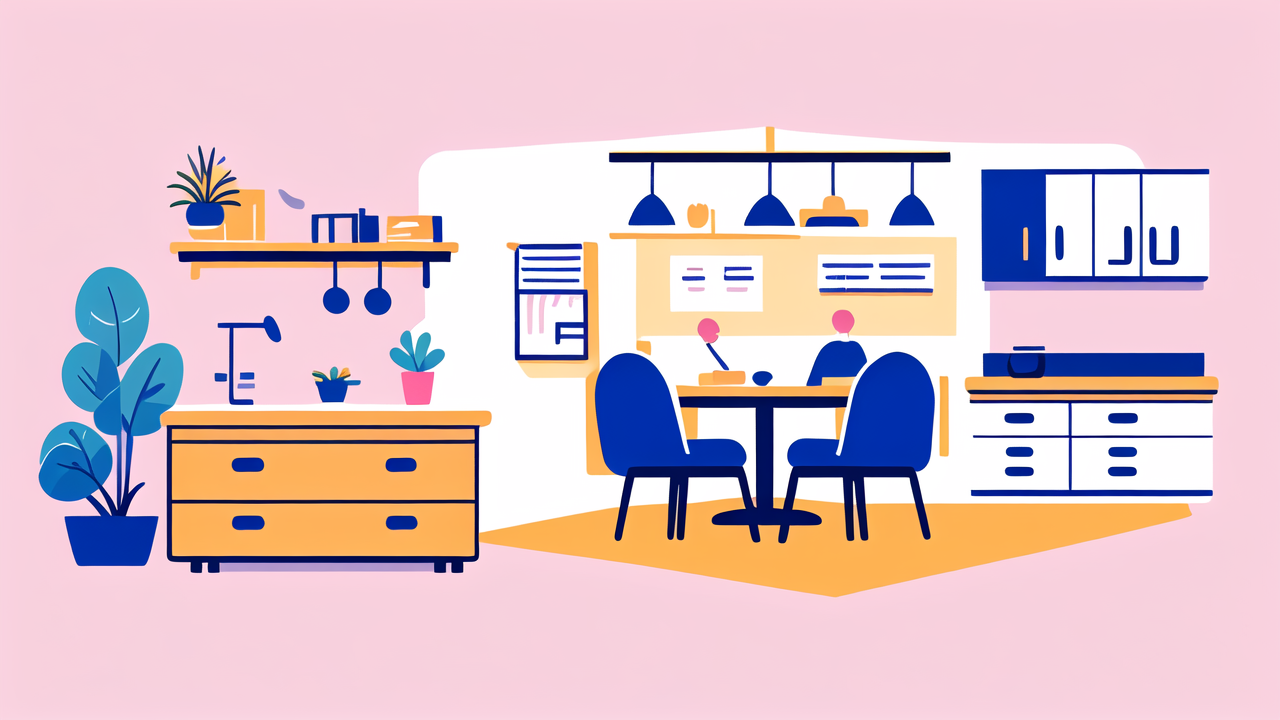
Ergonomic design is crucial for tall seniors. It focuses on creating spaces that fit their bodies and needs. This includes adjusting heights of surfaces and fixtures. It also means providing ample legroom and headspace. By addressing these needs, we can help tall seniors maintain their comfort and dignity as they age.
The Impact of Ergonomics on Mobility and Independence
Good ergonomics can greatly improve a tall senior's life. It can reduce the risk of falls and injuries. Proper design allows for easier movement around the home. This promotes independence and boosts confidence.
Ergonomic solutions can include:
- Raised countertops and sinks
- Taller toilets and shower heads
- Adjustable furniture
- Extended handrails
These changes can make daily tasks simpler and safer. They allow tall seniors to care for themselves longer. This independence is vital for mental and emotional well-being. It can also reduce the need for assisted living or in-home care.
Key Design Elements for a Senior-Friendly Bedroom
Tailoring Space and Storage Solutions for Tall Seniors
A well-designed bedroom is essential for tall seniors. It should provide comfort and ease of use. Key elements include:
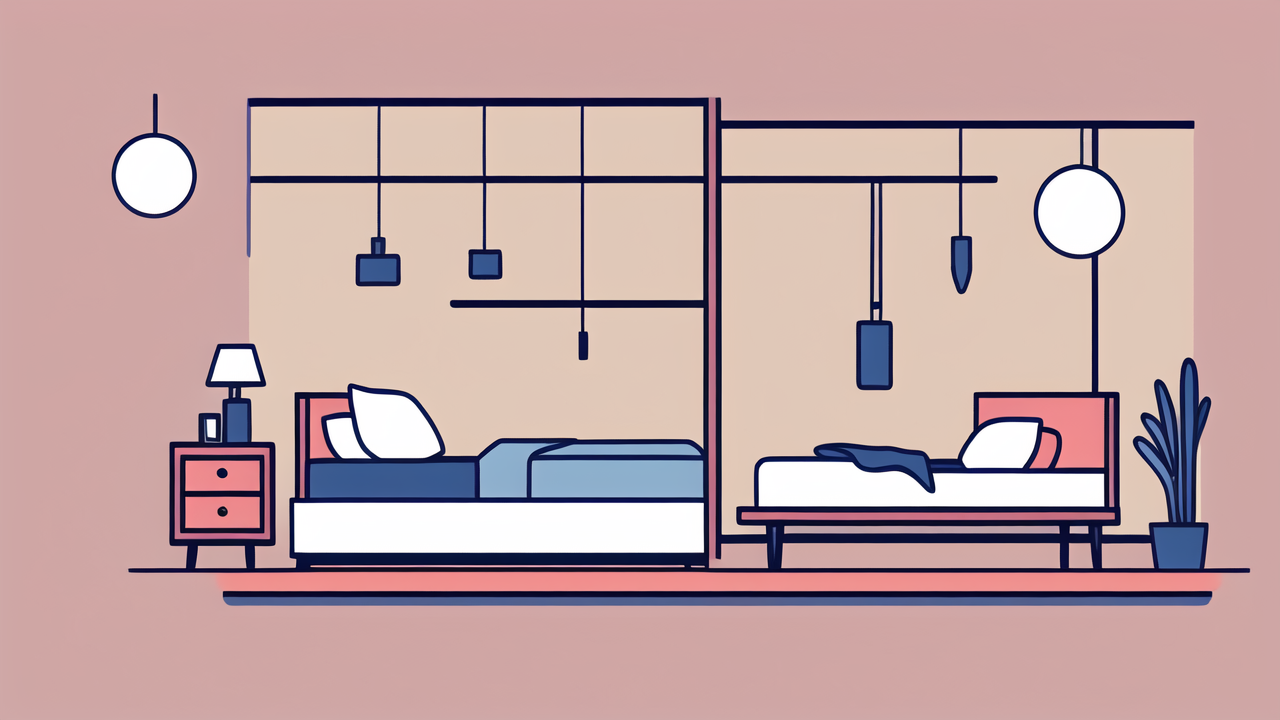
- Extra-long beds for proper support
- Raised dressers and nightstands
- Higher closet rods and shelves
- Wide pathways for easy movement
Storage solutions should be within easy reach. This might mean installing pull-down closet rods or adjustable shelving. The goal is to minimize bending and stretching. This reduces the risk of strain or falls.
Multifunctional furniture can be a great option for small spaces. For example, a bed with built-in storage can save floor space. This allows for wider pathways and better mobility.
Incorporating Accessible Technology and Smart Features
Technology can greatly enhance a senior's bedroom. Smart features can improve safety and convenience. Some helpful additions include:
- Voice-activated lighting and temperature control
- Adjustable beds with remote controls
- Motion-sensor night lights
- Emergency call systems
These features can be especially useful for tall seniors with limited mobility. They allow for greater control over the environment without physical strain. Smart home systems can also be programmed to suit individual needs and routines.
The Role of Lighting and Soundproofing in Creating a Comfortable Environment
Proper lighting is crucial in a senior's bedroom. It should be bright enough for safety, but adjustable for comfort. Consider:
- Layered lighting with overhead and task lights
- Dimmer switches for customizable brightness
- Motion-activated lights for nighttime safety
Soundproofing can also improve sleep quality. This is especially important in urban areas or multi-generational homes. Options include:
- Double-paned windows
- Sound-absorbing curtains or wall panels
- White noise machines
These elements create a peaceful and restful environment. This is essential for good sleep and overall well-being.
Case Studies and Innovations in Senior Housing
Adapting Existing Homes to Meet the Needs of Tall Seniors
Many tall seniors prefer to age in place. This often means adapting their current homes. Case studies show successful renovations that include:

- Raising countertops and cabinets
- Installing taller toilets and grab bars
- Widening doorways for better access
- Adding stairlifts or elevators for multi-story homes
These changes can be costly, but they're often cheaper than moving. They allow seniors to stay in familiar surroundings. This can have positive effects on mental health and well-being.
One case study in Seattle showcased a complete home makeover for a 6'4" senior. The renovation included raising all work surfaces by 4 inches. They also installed custom shower fixtures and an extra-long bathtub. The result was a home that fit the owner's needs perfectly.
The Emergence of Senior-Focused Furniture and Design
Furniture designers are now creating products specifically for tall seniors. These items combine ergonomics with style. Examples include:
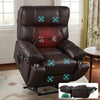
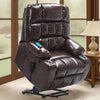
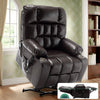
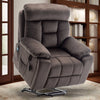
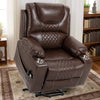
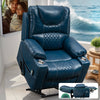
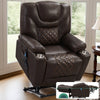
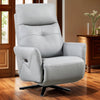
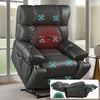
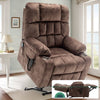
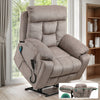
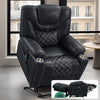
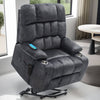
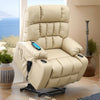
- Extra-tall recliners with easy-to-use controls
- Dining chairs with higher seats and sturdy arms
- Adjustable-height tables and desks
Some companies offer custom solutions. They can modify standard furniture to fit a tall senior's needs. This allows for personalized comfort without sacrificing aesthetics.
Design firms are also focusing on senior-friendly spaces. They create floor plans that maximize mobility and ease of use. These designs often feature open layouts and wide hallways. They also include ample natural light and easy-to-reach storage.
Future Trends in Ergonomic Senior Living Solutions
The future of senior living looks promising for tall individuals. Emerging trends include:
- 3D-printed custom furniture and fixtures
- Smart home systems that adapt to changing needs
- Virtual reality tools for home design and planning
Researchers are also exploring new materials. These could create furniture that's both durable and easily adjustable. This would allow homes to evolve with the resident's needs over time.
Another trend is the development of modular home systems. These allow for easy updates as needs change. A bedroom could be quickly modified with taller fixtures or smart features.
As the population ages, demand for these solutions will grow. This will likely lead to more innovation and better options for tall seniors. The goal is to create homes that support independence and quality of life for all.