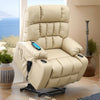


Understanding the Importance of Ergonomics in Seat Recliners
The Science Behind Comfort: How Recliners Support Your Body
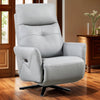
Ergonomic recliners are designed to support your body in the most natural way possible. They work by distributing your weight evenly across the chair. This helps reduce pressure points and prevents discomfort.

The key to a good recliner is its ability to support your spine's natural curve. This helps maintain proper posture and reduces back pain. A well-designed recliner also supports your neck and head.
Many ergonomic recliners offer adjustable features. You can customize the chair to fit your body shape and size. This ensures optimal comfort and support for each user.
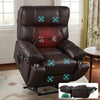
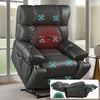
Some recliners even have built-in heated elements. These can help soothe aches and pains. The warmth can also improve blood flow and promote relaxation.
Evaluating Ergonomics: What to Look for in a Recliner
When shopping for an ergonomic recliner, there are several key features to consider:
- Lumbar support: Look for a recliner with good lower back support.
- Adjustable headrest: This feature helps maintain proper neck alignment.
- Footrest: A well-designed footrest promotes better circulation.
- Reclining mechanism: Smooth operation is essential for ease of use.
- Seat depth and width: Ensure the recliner fits your body size comfortably.
Pay attention to the quality of padding and upholstery. These factors contribute to long-term comfort. If possible, test the recliner before buying. Sit in it for at least 10-15 minutes to assess its comfort level.
Remember, the most ergonomic recliner is one that fits your body and lifestyle needs. Don't hesitate to ask questions about the chair's features and design principles.
Key Features of Top-Rated Big and Tall Power Recliners
Power Recliners for the Big and Tall: A Buyer's Guide
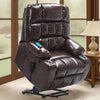
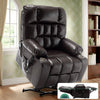
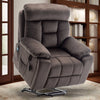
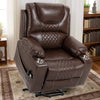
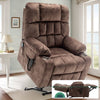
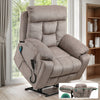
Big and tall power recliners are designed for larger individuals. They offer extra support and comfort. These recliners typically have higher weight capacities, often 300 to 500 pounds or more.

Key features to look for in big and tall power recliners include:
- Sturdy frame: Look for recliners with reinforced frames for added durability.
- Wide seat: Ensure the seat is spacious enough for comfort.
- Tall backrest: A higher backrest provides better support for taller individuals.
- Strong motor: A powerful motor ensures smooth operation even with heavier weights.
- Extended footrest: This feature accommodates longer legs comfortably.
When shopping, pay attention to the recliner's dimensions. Make sure it fits both your body and your living space. Some models offer extra-wide designs for maximum comfort.
Consider the upholstery material as well. Leather or high-quality fabric can withstand more wear and tear. This is especially important for recliners that will see frequent use.
Innovations in Recliner Design: Enhancing Your Comfort Experience
Recent innovations in recliner design have greatly improved the comfort experience. Many modern recliners now come with advanced features that go beyond basic reclining functionality.
Some noteworthy innovations include:
- Zero-gravity positioning: This feature elevates your legs above your heart, reducing spine stress.
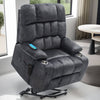
- Massage functions: Built-in massagers can help relieve muscle tension and promote relaxation.
- Heating elements: Some recliners offer heating in the lumbar area for added comfort.
- USB charging ports: These allow you to charge your devices while relaxing.
- Memory settings: Save your favorite positions for quick and easy adjustment.
Smart recliners are also entering the market. These can be controlled via smartphone apps or voice commands. They may even integrate with your home automation system for seamless operation.
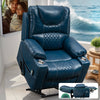
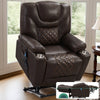
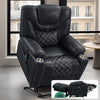
Another innovative feature is the lift function. This helps users stand up from the chair with ease. It's particularly useful for those with mobility issues or recovering from surgery.
Selecting the Right Recliner for Your Space
Matching Recliners with Your Living Room Aesthetics
When choosing a recliner, consider how it will fit into your living room's overall design. The recliner should complement your existing furniture and decor, not clash with it.

Here are some tips for incorporating recliners into your living room:
- Choose complementary colors: Select a recliner that matches or complements your color scheme.
- Consider texture: Add visual interest with textured fabrics or patterns.
- Balance with accessories: Use throw pillows or blankets to tie the recliner into your decor.
- Pay attention to style: Choose a recliner that matches your room's overall aesthetic.
Remember, a recliner doesn't have to be a bulky eyesore. Many modern designs are sleek and stylish. Look for clean lines and slim profiles that complement your other furniture.
Don't be afraid to make a statement with your recliner. A unique design can serve as an eye-catching focal point in your living room.
Space-Saving Solutions: Incorporating Recliners into Small Apartments
Living in a small apartment doesn't mean you can't have a recliner. There are many space-saving options available that can fit comfortably in compact living areas.
Consider these space-efficient recliner options:
- Wall-hugger recliners: These need less clearance from the wall to fully recline.
- Swivel recliners: They allow for flexible positioning without taking up extra space.
- Rocking recliners: These combine the functions of a rocking chair and a recliner.
- Compact recliners: Designed specifically for smaller spaces, these have a reduced footprint.
When placing a recliner in a small room, think about traffic flow. Ensure there's enough space to walk around the chair when it's fully reclined. Consider multi-functional furniture pieces to maximize your space.
You can also use visual tricks to make your space appear larger. A light-colored recliner can blend with light walls, creating an illusion of more space. Mirrors and good lighting can also help open up a small room.
Remember, comfort doesn't have to be sacrificed for space. With careful selection and placement, you can enjoy the luxury of a recliner even in a compact living area.