

Understanding Lift Assists: An Overview for Seniors and Caregivers
The Importance of Mobility for Elderly Health and Independence
Mobility is crucial for seniors' well-being. It affects physical health, mental state, and quality of life. Good mobility helps seniors stay active and independent. It reduces the risk of falls and injuries. Seniors who move freely can do daily tasks on their own. This boosts their confidence and mood. Mobility also helps seniors stay social and engaged. They can visit friends, attend events, and enjoy hobbies. Poor mobility can lead to isolation and depression. It may also cause health issues like muscle weakness and poor circulation. Lift assists play a key role in maintaining senior mobility. They provide support and safety for everyday movements.

Key Features to Look for in Lift Assists
When choosing lift assists for seniors, several features are important. Safety is the top priority. Look for devices with sturdy construction and non-slip surfaces. Comfort is also crucial for regular use. Soft, padded seats and armrests are ideal. Ease of use is another key factor. Controls should be simple and within easy reach. Adjustability is important to fit different body types and needs. Some lifts offer multiple positions for various activities. Battery life is vital for electric models. Longer battery life means less frequent charging. Weight capacity is another crucial feature. Ensure the lift can support the user's weight safely. Portability may be important for some users. Look for lightweight or foldable options if needed. Lastly, consider the warranty and customer support offered by the manufacturer.
The Best Lift Assists on the Market for Seniors
Reviewing the Top Models: Comfort, Safety, and Ease of Use
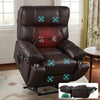
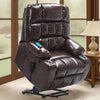
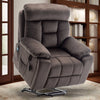
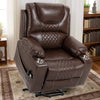
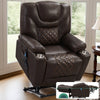
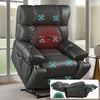
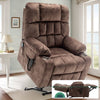
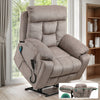
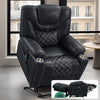
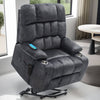
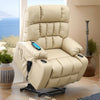
- Power Lift Recliner Chair:
- Offers smooth lift and recline functions
- Padded seat and backrest for comfort
- Easy-to-use remote control
- Multiple positions for various activities
- Built-in USB charging port
- Uplift Seat Assist:
- Portable and lightweight design
- Uses natural body movement to assist lifting
- No power source needed
- Adjustable to different user weights
- Easy to clean and maintain
- Electric Power Standing Assist:
- Powerful motor for smooth lifting
- Ergonomic handles for added support
- Compact design fits most chairs and sofas
- Safety belt for secure use
- Foldable for easy storage
- Toilet Seat Riser with Arms:
- Raises toilet seat height for easier use
- Sturdy armrests provide support
- Easy to install and remove
- Fits most standard toilets
- Supports up to 300 pounds
- Stander EZ Stand-N-Go:
- Adjustable standing aid and tray table
- Provides support for sitting and standing
- Swivel tray for convenience
- Slim design fits in tight spaces
- Tool-free assembly
How to Determine the Right Lift Assist for Your Loved One
Choosing the right lift assist depends on several factors. First, consider the senior's specific needs and limitations. Assess their mobility level and areas where they need most help. Think about the main locations where the lift will be used. This could be the living room, bedroom, or bathroom. Consider the senior's weight and height to ensure proper fit and support. Evaluate their hand strength and dexterity for operating controls. Think about the home layout and available space for the device. Consider the senior's lifestyle and daily routines. Some may need portable options, while others prefer stationary devices. Consult with a healthcare provider for professional advice. They can assess medical needs and recommend suitable options. Lastly, involve the senior in the decision-making process. Their comfort and willingness to use the device are crucial for success.

Maximizing the Benefits of Lift Assists in Home Care
Best Practices for Incorporating Lift Assists into Daily Routines
To get the most out of lift assists, incorporate them wisely into daily life. Start by placing the device in a convenient, easily accessible location. Train all caregivers and family members on proper use of the lift assist. This ensures safe operation and consistent support. Encourage the senior to use the lift assist regularly, even for small movements. This builds confidence and prevents overexertion. Create a routine that includes regular breaks and position changes. This helps prevent discomfort and pressure sores. Keep the area around the lift assist clear of obstacles. This reduces the risk of trips and falls. Regularly check the device for any signs of wear or damage. Follow the manufacturer's guidelines for maintenance and cleaning. Be patient and allow time for the senior to adjust to using the device. Offer encouragement and support during this transition period. Monitor the senior's progress and comfort level with the lift assist. Be open to making adjustments or trying different models if needed.

Long-Term Health and Wellness with the Aid of Lift Assists
Lift assists can significantly improve long-term health and wellness for seniors. They promote independence, which boosts mental health and self-esteem. Regular movement helps maintain muscle strength and joint flexibility. This can slow down the natural decline associated with aging. Lift assists reduce the risk of falls, a major concern for seniors. This can prevent serious injuries and hospitalizations. By making movement easier, lift assists encourage seniors to stay active. This can improve cardiovascular health and circulation. Easy transfers can reduce strain on caregivers, improving overall care quality. Lift assists can make daily tasks like bathing and toileting more manageable. This promotes better hygiene and reduces the risk of related health issues. The increased mobility can lead to better sleep quality and reduced pain. Over time, this can result in less reliance on pain medications. Lift assists can also support rehabilitation efforts after injuries or surgeries. They provide a safe way to gradually increase activity levels. By maintaining mobility, seniors can continue participating in social activities. This helps prevent isolation and supports emotional well-being.