

The Importance of Power Lift Chairs in Assisting Mobility
Understanding the Mechanisms Behind Power Lift Chairs
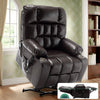
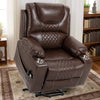
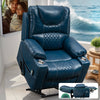
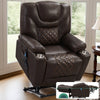
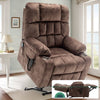
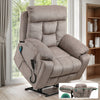
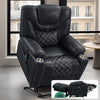
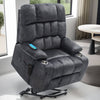
Power lift chairs are designed to help people stand up or sit down with ease. They use a motor to tilt and lift the chair. This makes it easier for users to get in and out of the chair. The chairs have a remote control. Users can adjust the position with just a push of a button.

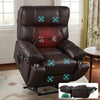
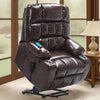
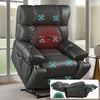
These chairs often have multiple positions. They can recline for comfort or lift to help users stand. Some models even have heat and massage features. The lifting mechanism is smooth and quiet. It provides a gentle assist without jarring movements.
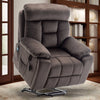
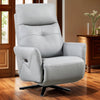
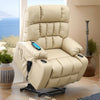
Power lift chairs come in different sizes and styles. This ensures a good fit for various body types and home decors. The frames are sturdy and can support different weights. Safety features like backup batteries are common in many models.
The Role of Power Lift Chairs in Addressing Mobility Challenges
As we age, simple tasks like standing up can become hard. Power lift chairs help solve this problem. They reduce the strain on joints and muscles. This is crucial for those with arthritis, back pain, or weak legs.
These chairs can prevent falls, a major concern for older adults. By providing a stable lift, they help users transition safely to a standing position. This reduces the risk of losing balance or slipping.
Power lift chairs also help caregivers. They make it easier to assist loved ones without risking injury. For people recovering from surgery, these chairs can aid in the healing process. They allow for easy position changes, which can improve circulation and comfort.
How Power Lift Chairs Support Independence
Independence is key to mental and emotional well-being. Power lift chairs help older adults maintain their freedom. They can sit down or stand up without calling for help. This boosts confidence and self-reliance.
These chairs allow users to perform daily tasks more easily. Reading, watching TV, or having conversations become more comfortable. Users can change positions as needed, promoting better posture and reducing pain.
For many, a power lift chair means staying at home longer. It can delay the need for a nursing home or full-time care. This independence can lead to better mental health and a more positive outlook on life.
Evaluating the Benefits of Power Lift Chairs for the Elderly Population
The Impact of Power Lift Chairs on Daily Activities
Power lift chairs make everyday life easier for older adults. Getting up to answer the door or use the bathroom becomes simpler. This can reduce anxiety about these routine tasks.

Meal times are more enjoyable with these chairs. Users can sit comfortably at the table and easily stand when finished. This encourages better nutrition and social interaction during meals.
These chairs also help with hobbies and activities. Crafting, reading, or using a computer is more comfortable. The ability to change positions easily keeps users engaged in their interests for longer periods.
Improving Quality of Life Through Enhanced Mobility
Mobility is closely linked to quality of life. Power lift chairs enhance mobility in several ways. They reduce pain associated with sitting and standing. This can lead to more activity and less time spent idle.
Users often report better sleep when using these chairs. The ability to find a comfortable position can improve rest quality. Better sleep leads to more energy and a better mood during the day.
Social interactions can increase with the use of a power lift chair. Friends and family may visit more often when the user is comfortable and able to chat easily. This social connection is vital for mental health.
Case Studies: Successful Outcomes with Power Lift Chairs
Many success stories highlight the benefits of power lift chairs. One case involves a 75-year-old man with severe arthritis. After getting a power lift chair, he could join family dinners again. His mood improved, and he became more active overall.
Another case features an 82-year-old woman recovering from hip surgery. The power lift chair helped her follow her recovery plan. She could easily change positions, reducing the risk of complications. Her recovery was faster than expected.
A nursing home reported fewer staff injuries after introducing power lift chairs. Residents were more independent, and staff didn't need to lift them as often. This led to better care and happier residents and staff.
Implementing Power Lift Chairs in the United States: Best Practices and Insights
Strategies for Integrating Power Lift Chairs in Nursing Homes and Assisted Living Facilities
Nursing homes can benefit greatly from power lift chairs. It's important to train staff on proper use and maintenance. This ensures the chairs are used effectively and safely.
Facilities should consider having a mix of chair types. Different residents have different needs. Some may need more support, while others need specific features.
Creating comfortable spaces around the chairs is key. Good lighting and easy access to items like books or remotes enhance the experience. This encourages residents to use the chairs and stay active.
Regulatory Considerations for Power Lift Chairs in the U.S.
In the U.S., power lift chairs are considered durable medical equipment. They may be covered by Medicare if prescribed by a doctor. It's important to understand the criteria for coverage.
Safety standards for these chairs are set by organizations like the FDA. Buyers should look for chairs that meet these standards. This ensures the chair is safe and reliable.
Some states have specific regulations about the use of power equipment in care facilities. It's crucial to check local laws when implementing these chairs in nursing homes.
Future Trends in Power Lift Chair Technologies
The future of power lift chairs looks promising. Smart technology is being integrated into newer models. This includes voice control and smartphone apps for easier operation.
Improved materials are making chairs more durable and comfortable. Memory foam and cooling fabrics enhance the user experience. This can lead to better long-term health outcomes.
Some companies are working on chairs with health monitoring features. These could track vital signs and alert caregivers to potential issues. This technology could revolutionize home care for older adults.
As the population ages, demand for these chairs is likely to grow. This may lead to more affordable options and wider availability. Continued research will likely result in even more advanced features in the coming years.