

Understanding Twin Motor Lift Assists: An Overview
What Are Twin Motor Lift Assists?
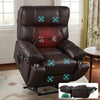
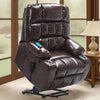
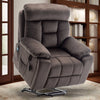
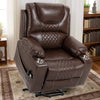
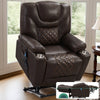
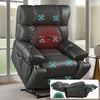
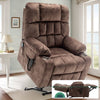
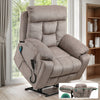
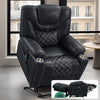
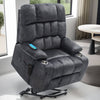
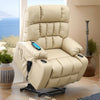
Twin motor lift assists are innovative devices designed to help elderly people move safely. They use two motors instead of one. This setup provides more power and stability. These lifts can be found in homes, hospitals, and care centers. They help seniors stand up, sit down, or move between locations. The twin motors work together to lift and lower people smoothly. This reduces the risk of falls or injuries. These devices are a big step forward in elder care technology.
The Mechanical Advantages of Twin Motors Over Single Motors
Twin motor lifts offer several benefits over single motor models. They provide more lifting power, which is crucial for heavier individuals. The dual motors also ensure a more balanced lift. This reduces strain on the user and the device. If one motor fails, the other can still function. This adds an extra layer of safety. Twin motors also allow for smoother starts and stops. This makes the lifting process more comfortable for seniors. The increased power means these lifts can handle a wider range of motions.
The Evolution of Lift Assists in the Elderly Care Industry
Lift assists have come a long way in elder care. Early models were basic and often unsafe. They relied on manual effort from caregivers. This put both the caregiver and the elderly person at risk. As technology advanced, electric motors were introduced. These made lifts safer and easier to use. The shift to twin motors marks the latest evolution. It addresses many of the limitations of earlier designs. Today's lifts are smarter, with features like remote controls and adjustable settings. They're designed to fit seamlessly into various care environments.
The Importance of Lift Assists for the Elderly Population
Enhancing Quality of Life for Seniors with Mobility Impairments
Lift assists play a crucial role in improving life for seniors with mobility issues. These devices help them move around more freely. This independence can boost mental health and self-esteem. Seniors can perform daily tasks without constant help. They can get in and out of bed, use the bathroom, or move to a chair on their own. This freedom reduces feelings of helplessness. It also lowers the risk of depression, which is common among less mobile seniors. Lift assists allow elderly people to stay active and engaged in their surroundings.

The Role of Lift Assists in Supportive Living Environments
In supportive living spaces, lift assists are essential tools. They help create a safer, more accessible environment for seniors. Care staff can move residents more easily and safely. This reduces the physical strain on caregivers. It also lowers the risk of accidents during transfers. Lift assists enable facilities to provide better care with fewer staff members. They make it easier to handle emergencies and daily care routines. These devices also support aging in place, allowing seniors to stay in familiar settings longer.
How Lift Assists Empower Elderly Independence
Lift assists are powerful tools for promoting elderly independence. They allow seniors to move without always needing help. This freedom can greatly improve their quality of life. Seniors can maintain their dignity by managing personal care tasks. They can participate more fully in social activities. This independence reduces the burden on family members and caregivers. It allows seniors to stay in their homes longer, delaying the need for full-time care. The confidence gained from using lift assists often leads to increased activity and better overall health.
Best Practices and Regulations in the US
Safety Standards for Lift Assists and Elevators
In the US, lift assists must meet strict safety standards. These rules are set by agencies like the FDA and OSHA. They cover things like weight limits, emergency stops, and stability. Regular inspections are required to ensure ongoing safety. Users and caregivers must be trained in proper use. This includes understanding weight limits and maintenance needs. Many lifts now have built-in safety features. These include sensors that stop the lift if something is in the way. Some have backup power systems for use during outages. Following these standards is crucial for preventing accidents and injuries.

Regulatory Compliance for Lift Assist Providers
Providers of lift assists must follow strict regulations. This ensures the safety and effectiveness of their products. They must get FDA approval before selling their devices. This process involves rigorous testing and documentation. Providers must also follow manufacturing quality standards. They need to have systems for tracking and reporting any issues. Regular audits are conducted to ensure ongoing compliance. Providers must offer proper training and support for their products. They're required to keep detailed records of sales, maintenance, and any reported problems.
Future Trends in Lift Assist Technology and Senior Care
The future of lift assist technology looks promising. We're seeing a move towards smarter, more connected devices. Many new lifts can be controlled via smartphones or voice commands. Some are starting to use AI to learn user habits and preferences. This could lead to more personalized and efficient care. There's also a trend towards more portable and adaptable designs. These could make it easier to use lift assists in various settings. As the elderly population grows, we'll likely see more investment in this field. The goal is to create devices that are easier to use, safer, and more affordable for all seniors.