

Understanding High Resilience Foam: Definition and Benefits
The Science Behind High Resilience Foam
High Resilience (HR) foam is a type of polyurethane foam with unique properties. It's made using a special process that creates a more open cell structure. This structure allows for better air flow and quicker recovery after compression. HR foam has a higher density than standard foam, typically ranging from 2.5 to 3.0 pounds per cubic foot.

The foam's molecules are arranged in a way that allows it to quickly bounce back to its original shape. This is due to its high resiliency and elasticity. When pressure is applied, the foam compresses evenly. Once the pressure is removed, it quickly returns to its original form. This property makes HR foam ideal for seating applications, especially in lift recliners.
Advantages of High Resilience Foam in Various Industries
HR foam has found its way into various industries due to its superior qualities. In the furniture industry, it's prized for its comfort and durability. It's used in high-end mattresses, sofas, and chairs. The automotive industry uses it for car seats and headrests. In the medical field, HR foam is used in hospital beds and wheelchair cushions.
The main advantages of HR foam include:
- Excellent durability and longevity
- Superior comfort and support
- Quick recovery after compression
- Good breathability
- Resistance to body impressions
- Ability to maintain shape over time
These qualities make HR foam a top choice for products that require long-lasting comfort and support.
The Impact of High Resilience Foam on Lift Recliner Design
Enhancing Comfort with High Resilience Materials
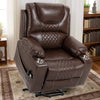
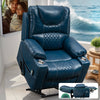
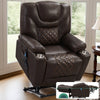
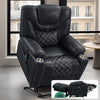
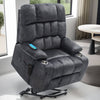
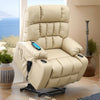
Lift recliners are designed to help people with mobility issues stand up and sit down easily. The use of HR foam in these chairs has significantly improved their comfort level. The foam's ability to distribute weight evenly reduces pressure points. This is especially important for users who may spend long periods in the chair.

HR foam's quick recovery property is crucial in lift recliners. As the chair changes positions, the foam quickly adjusts. This ensures consistent support and comfort in all positions. The foam's open cell structure allows for better air circulation. This helps regulate temperature, keeping users comfortable for longer periods.
Many lift recliner manufacturers now use HR foam in key areas like:
- Seat cushions
- Back support
- Armrests
- Footrests
By using HR foam in these areas, manufacturers can create chairs that offer superior comfort and support.
Longevity and Durability: How High Resilience Foam Changes the Game
One of the biggest advantages of HR foam in lift recliners is its durability. Traditional foam tends to break down over time, leading to sagging and loss of support. HR foam, on the other hand, maintains its shape and support for much longer. This means lift recliners with HR foam can provide consistent comfort for years.
The durability of HR foam also makes it more cost-effective in the long run. While chairs with HR foam may cost more upfront, they often outlast cheaper alternatives. This is particularly important for lift recliners, which are a significant investment for many users. The longer lifespan of HR foam means users can enjoy their chairs for longer without needing replacements.
HR foam's resistance to body impressions is another game-changing feature. Over time, regular foam can develop permanent indentations where users sit most often. HR foam is much less likely to do this. It maintains its shape even with regular use, ensuring consistent comfort and support throughout the chair's life.
Implementing High Resilience Foam in Lift Recliners: A U.S. Market Perspective
Meeting American Standards for Lift Recliner Manufacturing
In the United States, lift recliners must meet specific safety and quality standards. The use of HR foam helps manufacturers meet and exceed these standards. The foam's durability and consistency make it easier to create chairs that pass rigorous testing. This includes tests for weight capacity, stability, and long-term use.

American manufacturers often choose HR foam that meets or exceeds CertiPUR-US® standards. This certification ensures the foam is made without harmful chemicals. It also guarantees certain performance standards. Using certified HR foam helps manufacturers comply with U.S. regulations on consumer safety and product quality.
Many U.S. lift recliner manufacturers now highlight their use of HR foam as a selling point. They often provide detailed information about the foam's properties and benefits. This transparency helps consumers make informed decisions about their purchases. It also demonstrates the manufacturer's commitment to quality and comfort.
Market Trends and Consumer Demand for High-Quality Lift Recliners
The U.S. market for lift recliners has seen a growing demand for higher quality chairs. This trend is driven by several factors:
- An aging population seeking comfort and independence
- Increased awareness of the importance of proper support for health
- A willingness to invest in durable, long-lasting furniture
Consumers are becoming more educated about the materials used in their furniture. Many are specifically looking for lift recliners that use HR foam. They understand that this material can provide better comfort and longevity. This has led to a shift in the market, with more manufacturers offering HR foam options.
The demand for high-quality lift recliners has also led to innovations in design. Manufacturers are finding new ways to incorporate HR foam into their chairs. Some are using layered foam designs for optimal comfort. Others are combining HR foam with other materials like memory foam or gel infusions. These innovations aim to provide the best possible experience for users.
In conclusion, the use of High Resilience foam in lift recliners has truly changed the game. It offers superior comfort, durability, and support compared to traditional foams. As the U.S. market continues to demand higher quality products, HR foam will likely play an even bigger role in lift recliner design and manufacturing.