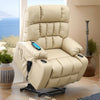


Understanding the Benefits of Heated Massage Therapy
The Science Behind Heat Therapy in Pain Relief
Heat therapy has long been used to alleviate pain and promote healing. When applied to the body, heat increases blood flow and oxygen to the affected area. This boost in circulation helps relax tense muscles and reduce stiffness. Heat also stimulates nerve endings, which can decrease pain signals sent to the brain.

The combination of heat and massage enhances these effects. Massage techniques help break up muscle knots and increase flexibility. When paired with heat, the muscles become more pliable, allowing for deeper tissue manipulation. This synergy can lead to more effective pain relief and faster recovery from injuries.
How Heated Massage Can Improve Mobility and Flexibility
Heated massage can significantly improve mobility and flexibility. The warmth from the massage helps loosen tight muscles and connective tissues. This loosening effect makes it easier to stretch and move without pain or restriction.
Regular heated massage sessions can lead to long-term improvements in range of motion. This is especially beneficial for those with chronic pain conditions or limited mobility. As muscles become more flexible, daily activities become easier to perform.
- Reduces muscle tension
- Increases joint flexibility
- Improves circulation to affected areas
- Enhances overall body movement
Psychological Benefits of Heated Massage for Pain Patients
The psychological benefits of heated massage for pain patients are often overlooked but equally important. Chronic pain can take a toll on mental health, leading to stress, anxiety, and depression. Heated massage provides a soothing and comforting experience that can help alleviate these issues.
The warmth from the massage promotes relaxation and reduces stress hormones in the body. This can lead to improved mood and better sleep quality. Many patients report feeling a sense of calm and well-being after a heated massage session. These psychological benefits can contribute to overall pain management and improved quality of life.
Developing a Heated Massage Routine for Pain Management
Step-by-Step Guide to Heated Massage Techniques
- Prepare the massage area: Ensure a comfortable, quiet space with a massage table or bed.
- Warm up the massage oil: Use a bottle warmer or warm water bath to heat the oil gently.
- Start with light touch: Begin with gentle strokes to warm up the skin and muscles.
- Apply heat: Use a heated massage blanket or hot stones to introduce warmth to the area.
- Perform massage techniques: Use kneading, stroking, and circular motions to work the muscles.
- Focus on problem areas: Spend extra time on areas of pain or tension.
- Gradually increase pressure: As muscles warm up, slowly increase the pressure as tolerated.
- Incorporate stretching: Gently stretch warmed muscles to improve flexibility.
- Cool down: Finish with light strokes and remove heat sources gradually.
- Hydrate: Encourage the client to drink water after the session to flush out toxins.
Incorporating Heated Massage into a Comprehensive Pain Management Plan
Heated massage can be a valuable part of a comprehensive pain management plan. It should be used in conjunction with other therapies for best results. A well-rounded approach might include:

- Regular heated massage sessions
- Physical therapy exercises
- Proper nutrition and hydration
- Stress management techniques
- Medication as prescribed by a doctor
- Adequate rest and sleep
Consistency is key when incorporating heated massage into a pain management routine. Regular sessions can help maintain flexibility and prevent pain flare-ups. It's important to work with healthcare providers to create a plan that addresses individual needs and goals.
Tips for Tailoring Heated Massage to Individual Pain Points
Every person's pain experience is unique, so it's crucial to tailor heated massage techniques to individual needs. Here are some tips:
- Assess pain levels before and after each session to track progress.
- Adjust heat intensity based on client comfort and tolerance.
- Use different massage techniques for different types of pain (e.g., deep tissue for chronic pain).
- Pay attention to client feedback and adjust accordingly.
- Consider using aromatherapy to enhance relaxation during the massage.
- Educate clients on self-massage techniques they can use at home.
Remember that what works for one person may not work for another. Be willing to experiment and adapt your approach to find the most effective treatment for each individual.
Best Practices for Heated Massage Therapists in the United States
Regulatory Compliance and Certification Requirements
In the United States, massage therapists must adhere to specific regulations and certification requirements. These can vary by state, but generally include:

- Completing an accredited massage therapy program
- Passing a national certification exam (e.g., MBLEx)
- Obtaining state licensure or registration
- Maintaining continuing education credits
For heated massage techniques, additional training may be required. This could include courses on thermotherapy or specific heated massage modalities. It's important to stay up-to-date with state and local regulations to ensure compliance.
Maintaining Health and Safety Standards in Heated Massage
Safety is paramount when performing heated massage. Therapists must follow strict guidelines to prevent injury and ensure client well-being. Key safety measures include:
- Regularly inspecting and maintaining heat sources (e.g., massage tables, blankets)
- Using appropriate temperature settings for each client
- Monitoring client comfort and checking for signs of overheating
- Properly sanitizing equipment between sessions
- Educating clients on contraindications and potential risks
- Keeping accurate records of each session, including heat settings used
Therapists should also have protocols in place for emergencies and be trained in first aid for heat-related injuries.
Case Studies: Successful Heated Massage Programs in the U.S.
Several successful heated massage programs have been implemented across the United States. These case studies highlight the effectiveness of heated massage in various settings:
- Hospital-based program: A major hospital in California integrated heated massage into their pain management clinic. Patients reported a 30% reduction in pain scores after six weeks of treatment.
- Sports therapy center: A Florida sports clinic used heated massage to help athletes recover from injuries. They saw a 25% decrease in recovery time compared to traditional methods.
- Chronic pain support group: A community center in New York offered weekly heated massage sessions for chronic pain sufferers. Participants reported improved sleep quality and reduced medication use.
These examples demonstrate the potential of heated massage as a valuable tool in pain management. By following best practices and tailoring treatments to individual needs, therapists can achieve significant results for their clients.