

Understanding the Advancements in Recliner Design
The Evolution of Recliner Comfort Features
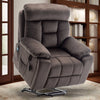
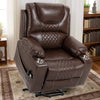
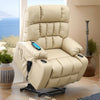
Recliner comfort has come a long way since the early days. Modern recliners now offer a range of features. These include adjustable lumbar support and memory foam cushions. Many models have heat therapy options. This helps soothe sore muscles. Some even have built-in USB ports for charging devices. The focus is on creating a personalized relaxation experience. Manufacturers are using high-tech materials to enhance comfort. These advances make recliners more than just a place to sit. They've become hubs of relaxation and wellness in our homes.

Integrating Lift Mechanisms into Modern Recliners
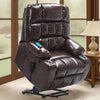
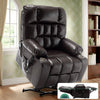
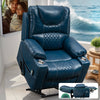
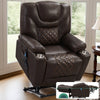
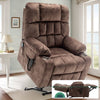
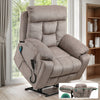
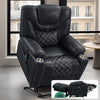
Lift mechanisms have revolutionized recliners for those with mobility issues. These systems use motors to tilt the chair forward. This helps users stand up easily. The technology has become more refined over time. Modern lift recliners are smoother and quieter than ever. They can support various body weights. Some models offer multiple lifting positions. This allows users to find the perfect angle for standing. The integration of lift mechanisms has made recliners more accessible. They're now a vital tool for maintaining independence in the elderly.
The Role of Massage in Enhancing Recliner Experience
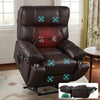
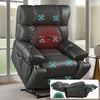
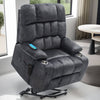
Massage features have become a popular addition to modern recliners. These systems use various techniques to provide relaxation. Some use vibration, while others use rolling or kneading motions. Many recliners offer customizable massage programs. Users can target specific areas of the body. Some high-end models even have full-body massage capabilities. The intensity and speed are often adjustable. This allows for a personalized massage experience. Massage recliners can help reduce stress and improve circulation. They're turning recliners into home wellness centers.
Key Considerations When Selecting Recliners for Seniors
Balancing Comfort with Accessibility for the Elderly
When choosing a recliner for seniors, comfort and accessibility are key. The chair should be easy to get in and out of. Look for models with wide, firm seats and high backs. Armrests should be sturdy and positioned for easy gripping. The reclining mechanism should be smooth and easy to operate. Some seniors may prefer power recliners for effortless adjustment. Fabric choice is also important. Opt for durable, easy-to-clean materials. Consider the senior's specific needs, such as back support or leg elevation. The right recliner can greatly improve a senior's quality of life.

The Importance of Lift Assistance in Aging Population
Lift assistance is crucial for many seniors. It helps maintain independence and prevents falls. Lift recliners use a powered mechanism to tilt forward. This makes standing up much easier. For seniors with arthritis or weak muscles, this feature is invaluable. It reduces strain on joints and muscles. Some models offer multiple lift positions. This allows for a customized lift experience. Lift recliners can also help caregivers. They make it easier to assist seniors in and out of chairs. When choosing a lift recliner, consider the user's weight and height. Ensure the lift mechanism can support them safely.
Choosing the Right Recliner for Your Senior Loved One
Selecting the perfect recliner for a senior requires careful consideration. Start by assessing their specific needs. Do they need lift assistance? Is massage a priority? Consider the room size where the recliner will be placed. Look for features like easy-to-use controls and durable construction. Test the recliner's comfort level. Make sure it provides good support. Check the warranty and after-sales service. Some companies offer in-home trials. This can be helpful in making the right choice. Remember, the best recliner is one that meets the senior's needs and enhances their comfort.
The Future of Recliners: Trends and Predictions
Technological Innovations Shaping the Next Generation of Recliners
The future of recliners is exciting. We're seeing the integration of advanced technologies. Voice control is becoming more common. Users can adjust their recliners with simple commands. Some models are incorporating AI to learn user preferences. This allows for automatic adjustments based on habits. Biometric sensors are another emerging trend. These can monitor vital signs and adjust the chair accordingly. We may see recliners that can detect stress levels and offer relaxation programs. The use of eco-friendly materials is also on the rise. Future recliners may be more sustainable and energy-efficient.

The Impact of Smart Technologies on Recliner Functionality
Smart technologies are transforming recliner functionality. Many recliners now connect to home automation systems. This allows for seamless integration with other smart devices. Imagine a recliner that adjusts based on your TV watching habits. Or one that syncs with your sleep cycle for optimal rest. Some smart recliners can be controlled via smartphone apps. This enables remote adjustments and personalized presets. We're also seeing the integration of entertainment features. Built-in speakers and tablet holders are becoming common. The line between furniture and technology is blurring. Smart recliners are becoming central to the connected home experience.
Anticipating the Needs of the Elderly in Recliner Design
Future recliner designs will likely focus more on the needs of the elderly. We may see recliners with built-in health monitoring systems. These could track vital signs and alert caregivers if needed. Improved lift mechanisms may offer more precise control. This could help seniors with specific mobility issues. Memory foam that adapts to body temperature might become standard. This would provide optimal comfort for seniors with circulation problems. Voice-activated controls could become more sophisticated. They might understand natural language for easier operation. Safety features like automatic locking when standing could be introduced. The goal is to create recliners that adapt to the changing needs of aging users.