

Understanding Ergonomics: The Science Behind Comfortable Seating
The Importance of Ergonomics in Seating
Ergonomics plays a vital role in seating design. It focuses on creating chairs that fit the human body well. Good ergonomics can prevent pain and injury from sitting for long periods. It's not just about comfort, but also health and well-being.

Ergonomic chairs support the spine's natural curve. They help maintain good posture and reduce strain on muscles. These chairs often have adjustable features to fit different body types. Height, armrests, and lumbar support can often be customized.
For the elderly, ergonomic seating is even more crucial. It can help with mobility issues and reduce the risk of falls. Proper support can ease joint pain and improve circulation. This is why lift chairs and recliners are so important for older adults.
How Ergonomics Influences Comfort and Health
Ergonomic seating does more than just feel good. It can have a big impact on overall health. Poor seating can lead to back pain, neck strain, and poor circulation. These issues can be especially problematic for older adults.
Good ergonomics can help prevent these problems. It can improve posture and reduce muscle fatigue. This leads to better comfort and less pain over time. For the elderly, this can mean more independence and a better quality of life.
Ergonomic chairs can also help with specific health conditions. For example, they can ease symptoms of arthritis or back problems. They can make it easier for people with mobility issues to sit down and stand up. This is where lift chairs become particularly valuable.
Lift Chairs and Recliners: The Best Choices for Elderly Mobility
Evaluating Lift Chairs: Features that Matter
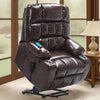
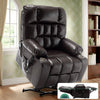
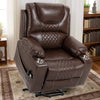
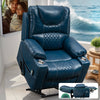
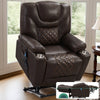
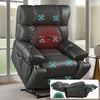
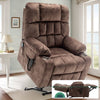
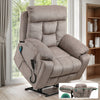
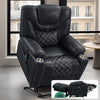
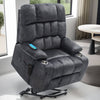
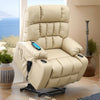
Lift chairs are a game-changer for many older adults. They combine the comfort of a recliner with the ability to help users stand up. When choosing a lift chair, there are several key features to consider.
- Lift Mechanism: Should be smooth and quiet
- Weight Capacity: Must support the user's weight safely
- Number of Positions: More positions offer greater versatility
- Fabric: Should be durable and easy to clean
- Remote Control: Must be simple to use, with large buttons
The chair's size is also important. It should fit the user's body well. The seat depth and width should allow feet to touch the floor comfortably. The backrest should provide good lumbar support.
Safety features are crucial too. Look for chairs with battery backup in case of power outages. Some chairs have sensors that stop the lift if something is in the way. These features can prevent accidents and give peace of mind.
Recliners and Lift Chairs: Comparing and Contrasting
While both recliners and lift chairs offer comfort, they serve different needs. Recliners are great for relaxation and can help with circulation. They allow users to elevate their feet and lean back. This can be beneficial for those with certain health conditions.
Lift chairs go a step further. They have all the benefits of recliners, plus the lifting feature. This makes them ideal for those who struggle to stand up from a seated position. Lift chairs can help maintain independence and reduce the risk of falls.
Here are some key differences:
- Functionality: Lift chairs have a powered lifting mechanism, recliners don't
- Cost: Lift chairs are generally more expensive due to the added technology
- Versatility: Lift chairs often have more position options
- Space Requirements: Lift chairs may need more room to operate fully
For many elderly individuals, the extra features of a lift chair are worth the cost. They can significantly improve quality of life and safety. However, for those without mobility issues, a regular recliner might be sufficient.
Innovative Designs for Lift Chairs and Recliners
Trends in Ergonomic Seating for the Elderly
The field of ergonomic seating for the elderly is constantly evolving. Designers are always looking for ways to improve comfort and functionality. Some current trends include:

- Smart Fabrics: Materials that regulate temperature or resist stains
- Customizable Support: Chairs that adjust to the user's body shape
- Compact Designs: Chairs that save space without sacrificing comfort
- Eco-Friendly Materials: Sustainable options that are still durable
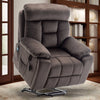
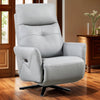
Another trend is the focus on style. Modern lift chairs and recliners come in various designs. They can blend seamlessly with home decor. This helps remove the stigma often associated with "medical-looking" furniture.
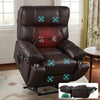
Some manufacturers are also exploring multi-functional designs. These chairs might include features like built-in massage or heating. Others have storage compartments or USB charging ports. These additions make the chairs more versatile and appealing.
The Role of Technology in Enhancing Comfort and Safety
Technology is playing a bigger role in ergonomic seating for the elderly. Many new features are designed to improve both comfort and safety. Some examples include:
- Voice Control: Allows users to adjust the chair without using their hands
- Memory Settings: Saves preferred positions for easy recall
- Fall Detection: Alerts caregivers if the user falls out of the chair
- Health Monitoring: Some chairs can track vital signs like heart rate
Some lift chairs now connect to smart home systems. This allows for integration with other devices. For example, the chair could automatically turn on lights when it's raised. Or it could alert a caregiver if the user hasn't moved in a while.
Virtual reality is another exciting area. Some companies are using VR to help design more comfortable chairs. They can simulate how different body types interact with the chair. This leads to better ergonomics for a wider range of users.
As technology advances, we can expect even more innovations. The goal is always to improve the lives of elderly users. Better comfort and safety can lead to greater independence and well-being.