
The Science of Comfort: Ergonomic Sofas and Workplace Efficiency
Understanding Ergonomics: The Science Behind Comfortable Furniture
Ergonomics is the science of designing and arranging things for efficient and safe use. In the workplace, it's crucial for employee comfort and productivity. Ergonomic furniture, like sofas, is designed to support the body's natural posture. This reduces strain on muscles and joints.
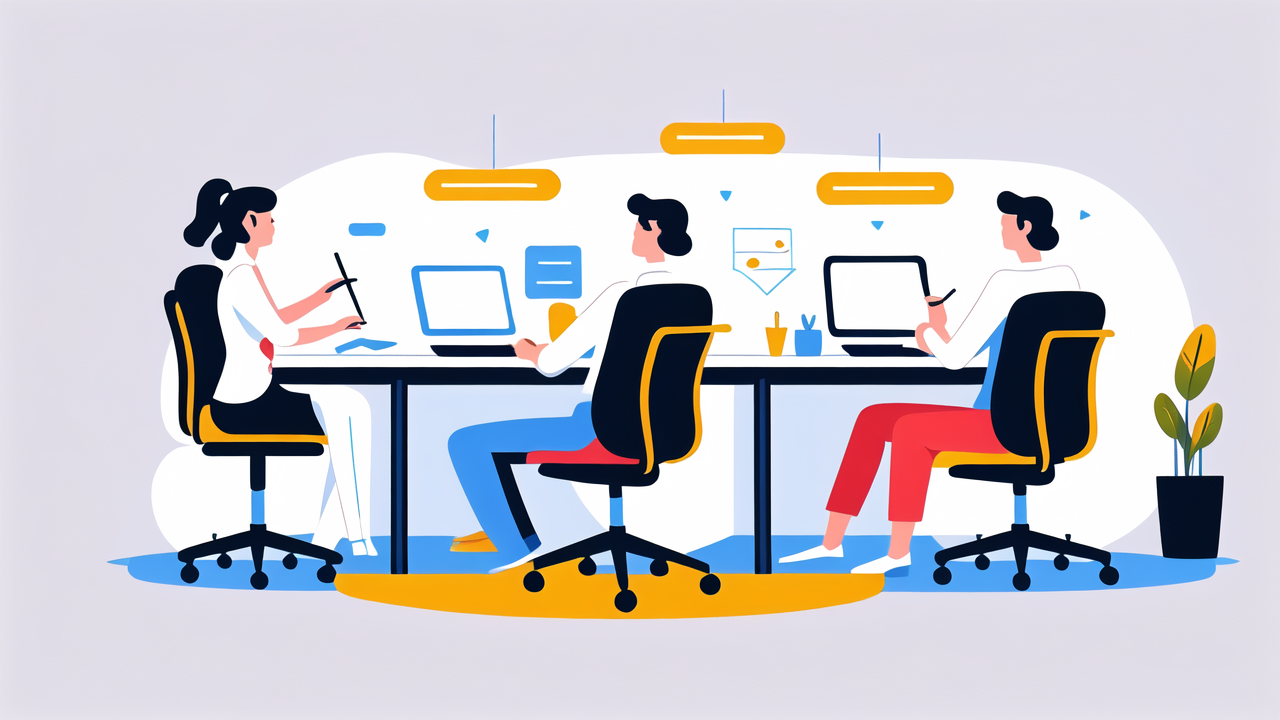
Comfortable furniture can significantly impact work performance. It helps prevent fatigue and discomfort, allowing employees to focus better. Ergonomic sofas are created with this in mind. They provide proper support for the spine, neck, and arms. This support is essential for long periods of sitting or working.
The science behind ergonomic sofas involves understanding human anatomy and movement. Designers consider factors like seat height, depth, and back support. These elements work together to create a comfortable seating experience. By aligning with the body's natural curves, ergonomic sofas promote better posture and reduce stress on the body.
The Role of Ergonomic Sofas in Enhancing Productivity
Ergonomic sofas play a vital role in boosting workplace productivity. They create comfortable spaces for employees to work, collaborate, or take short breaks. This comfort leads to increased focus and efficiency in tasks. When employees are physically comfortable, they can concentrate better on their work.
These sofas also encourage movement and flexibility in the workplace. Unlike traditional office chairs, ergonomic sofas allow for various sitting positions. This variety can help reduce the negative effects of prolonged sitting. Employees can change positions easily, promoting better blood circulation and reducing fatigue.
Moreover, ergonomic sofas in common areas foster informal meetings and brainstorming sessions. They create a relaxed atmosphere that can spark creativity and innovation. This casual setting often leads to more open communication and idea sharing among team members. As a result, productivity and teamwork can improve significantly.
Ergonomic vs. Traditional Sofas: What's the Difference?
Ergonomic sofas differ from traditional ones in several key aspects:
- Design: Ergonomic sofas are designed with the human body in mind. They have contoured seats and backs that support natural posture.
- Support: They offer better lumbar support, crucial for preventing back pain during long sitting periods.
- Adjustability: Many ergonomic sofas have adjustable features like armrests or reclining backs.
- Materials: They often use high-quality, supportive materials that maintain shape over time.
- Versatility: Ergonomic sofas are designed for various work positions, not just lounging.
Traditional sofas, while often aesthetically pleasing, may lack these ergonomic features. They're designed more for relaxation than work. This can lead to poor posture and discomfort when used for extended periods in an office setting. Ergonomic sofas, on the other hand, balance comfort with proper support for work activities.
The choice between ergonomic and traditional sofas can significantly impact employee well-being and productivity. While traditional sofas might look good, ergonomic ones provide the necessary support for a healthy work environment. This makes them a better long-term investment for modern, health-conscious offices.
Maximizing Office Aesthetics with Ergonomic Sofas
Incorporating Ergonomic Sofas into Modern Office Design
Integrating ergonomic sofas into modern office design is both an art and a science. These sofas can serve as focal points in open-plan offices or cozy nooks in smaller spaces. Their versatile designs allow them to fit seamlessly into various office layouts. From sleek, minimalist styles to more plush, inviting options, there's an ergonomic sofa for every office aesthetic.
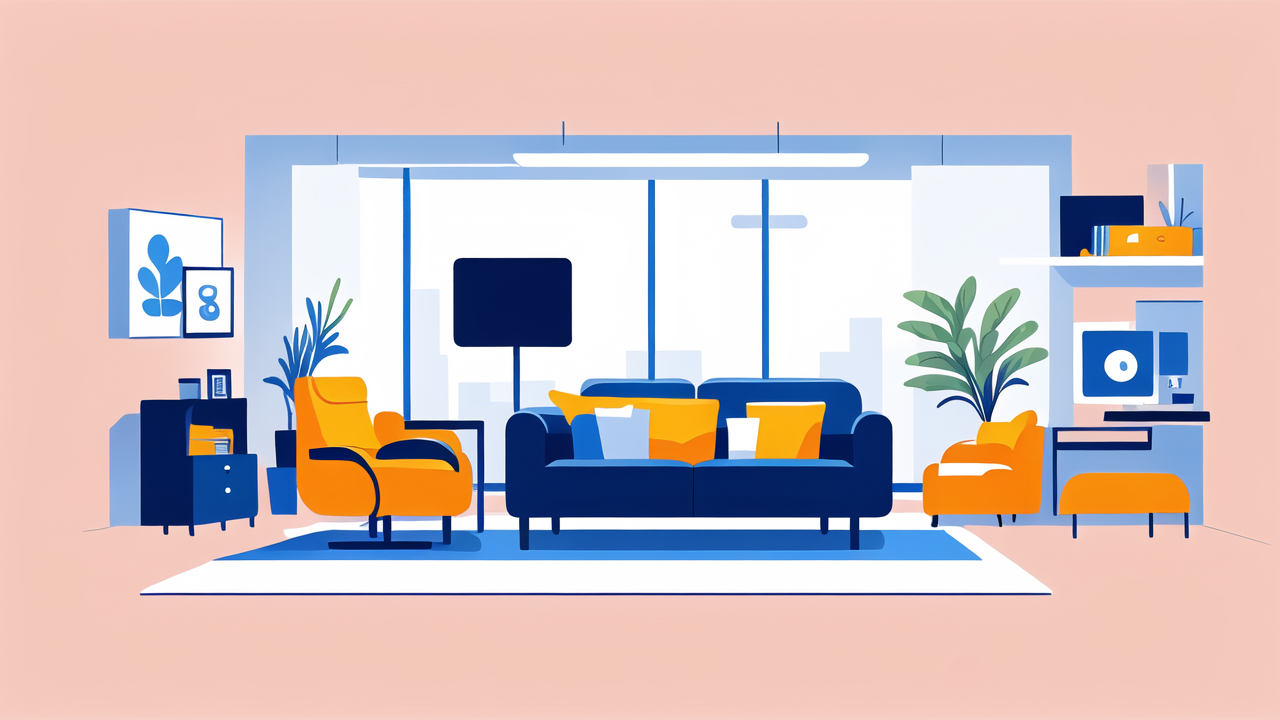
When placing ergonomic sofas, consider traffic flow and work zones. They can create natural boundaries between different areas without the need for walls. This helps maintain an open feel while defining spaces for specific activities. For example, placing sofas near windows can create pleasant reading or thinking spaces.
Color and material choices are also crucial. Ergonomic sofas come in a wide range of colors and fabrics. These can be selected to complement or contrast with the overall office color scheme. Bold colors can add energy to a space, while neutral tones create a calming atmosphere. The right choice depends on the office's brand identity and desired ambiance.
Blending Functionality with Style: The Best Ergonomic Sofas for Cool Offices
The best ergonomic sofas for cool offices combine cutting-edge design with practical functionality. Here are some top picks:
- Modular Sofas: These offer flexibility in arrangement, perfect for dynamic office spaces.
- High-Back Sofas: Ideal for creating semi-private areas in open offices.
- Convertible Sofas: These can transform from seating to work surfaces, maximizing space utility.
- Eco-friendly Options: Made from sustainable materials, appealing to environmentally conscious companies.
- Tech-integrated Sofas: With built-in charging ports and adjustable features for the modern workforce.
When selecting ergonomic sofas, consider both aesthetics and practicality. Look for designs that reflect your company's culture and values. At the same time, ensure they meet the ergonomic needs of your employees. The right balance will create a cool office that's both stylish and functional.
The Impact of Design on Employee Satisfaction and Retention
Office design, including the choice of furniture like ergonomic sofas, plays a crucial role in employee satisfaction and retention. A well-designed office with comfortable, stylish furniture can significantly boost morale. It shows that the company values its employees' comfort and well-being. This, in turn, can lead to increased job satisfaction and loyalty.
Ergonomic sofas contribute to this positive environment in several ways:
- They provide comfortable spaces for relaxation and informal meetings.
- Their stylish designs can make employees proud of their workspace.
- They support physical health, reducing discomfort and stress.
- They create versatile work areas, catering to different work styles.
Studies have shown that employees in well-designed offices are more productive and have higher job satisfaction. This satisfaction often translates to better retention rates. When employees feel their needs are met, they're less likely to seek opportunities elsewhere. Thus, investing in ergonomic sofas and thoughtful office design can be a powerful tool for attracting and retaining top talent.
Leveraging Ergonomic Sofas for Business Benefits
Health and Wellness: The Strategic Advantage of Ergonomic Furniture
Investing in ergonomic furniture, including sofas, offers significant health benefits for employees. These benefits translate into strategic advantages for businesses. Ergonomic sofas help reduce the risk of musculoskeletal disorders, a common issue in office environments. By supporting proper posture, they can alleviate back pain, neck strain, and other physical discomforts.
The health benefits of ergonomic furniture extend beyond physical well-being. They also contribute to mental health by reducing stress and fatigue. Comfortable employees are less likely to experience work-related anxiety or burnout. This can lead to fewer sick days and higher overall productivity. For businesses, this means reduced healthcare costs and increased output.
Moreover, prioritizing employee health through ergonomic furniture sends a positive message. It shows that the company values its workforce's well-being. This can boost morale and create a more positive work culture. In the long run, such investments in employee health can lead to better talent attraction and retention, giving companies a competitive edge.
Ergonomic Sofas as a Tool for Improving Workplace Morale
Ergonomic sofas can be powerful tools for enhancing workplace morale. They create inviting spaces that encourage interaction and relaxation. This can foster a sense of community and improve team dynamics. When employees have comfortable areas to gather, they're more likely to engage in casual conversations and idea sharing.
These sofas also provide alternative work settings, which can boost mood and creativity. Employees appreciate having options for where they can work or take breaks. This flexibility can lead to increased job satisfaction and a more positive outlook on the workplace. It shows that the company trusts employees to manage their time and choose their most productive work environment.
Furthermore, ergonomic sofas can help create a more home-like atmosphere in the office. This comfort can make employees feel more at ease and valued. A welcoming environment can significantly impact overall workplace morale. Happy employees are often more productive, innovative, and loyal to their company.
Case Studies: Companies That Upgraded Their Office Furniture and Noticed Improvements
Many companies have seen tangible benefits after upgrading to ergonomic furniture, including sofas. Here are a few examples:
- Tech Start-up X: After introducing ergonomic sofas in their open-plan office, they saw a 20% increase in collaborative projects.
- Marketing Agency Y: Employee satisfaction scores rose by 15% following an office redesign that included ergonomic lounge areas.
- Law Firm Z: Reported a 30% decrease in complaints about back pain after replacing traditional seating with ergonomic options.
- Manufacturing Company A: Productivity increased by 10% in departments where ergonomic furniture was introduced.
- Healthcare Provider B: Saw a 25% reduction in sick days related to musculoskeletal issues after a complete ergonomic overhaul.
These case studies highlight the real-world impact of ergonomic furniture investments. They show that the benefits go beyond comfort, affecting productivity, health, and overall workplace satisfaction. While the initial cost may be higher, the long-term gains in employee well-being and business performance often justify the investment.