
Understanding the Needs of the Elderly for Mobility and Comfort
Identifying Key Factors Affecting Elderly Mobility
As we age, our mobility often decreases due to various factors. These can include:

- Muscle weakness and joint stiffness
- Balance issues and fear of falling
- Chronic health conditions like arthritis or heart disease
- Vision and hearing impairments
- Cognitive decline
Understanding these factors is crucial for developing effective mobility aids. For example, a senior with arthritis may need a wheelchair with extra cushioning. Someone with balance issues might benefit from a walker with a wider base.
Mobility aids should address these specific needs. They should be easy to use and adaptable to different environments. This could mean lightweight designs for portability or adjustable features for personalization.
The Importance of Addressing Comfort in Senior Care
Comfort is not just a luxury for seniors - it's a necessity. Proper comfort can:
- Reduce pain and discomfort from chronic conditions
- Improve sleep quality and overall rest
- Boost mood and mental well-being
- Encourage more physical activity and social engagement
Comfort in mobility aids goes beyond just physical ease. It also involves psychological comfort. Seniors should feel safe and confident when using these aids. This can greatly impact their willingness to stay active and independent.
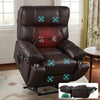
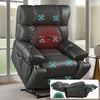
For instance, recliner cushions for the elderly should provide proper support and pressure relief. They should be easy to clean and maintain. Wheelchairs should have adjustable features to accommodate different body types and needs.
Technological Advancements in Senior Mobility Aids
Breakthroughs in Recliner Cushions for Elderly
Recent innovations in recliner cushions have greatly improved comfort for seniors. Some key advancements include:

- Memory foam technology that conforms to body shape
- Gel-infused cushions for temperature regulation
- Pressure-mapping designs to prevent bedsores
- Antimicrobial fabrics for better hygiene
- Adjustable firmness levels for personalized support
These features address common issues faced by seniors, such as poor circulation and pressure sores. For example, memory foam cushions can help distribute weight evenly. This reduces pressure on sensitive areas.
Gel-infused cushions help regulate body temperature. This is especially useful for seniors who have difficulty controlling their body heat. Antimicrobial fabrics reduce the risk of infections, a common concern in senior care.
How Innovative Wheelchairs are Changing the Game for Seniors
Wheelchairs have come a long way in recent years. New designs focus on both functionality and user comfort. Some notable innovations include:
- Power-assist wheels for easier manual propulsion
- All-terrain models for outdoor use
- Foldable, lightweight designs for easy transport
- Adjustable seating systems for personalized comfort
- Smart wheelchairs with navigation and obstacle detection
These advancements greatly enhance seniors' independence and quality of life. Power-assist wheels, for instance, make it easier for seniors to propel themselves. This reduces strain on their arms and shoulders.
All-terrain models allow seniors to enjoy outdoor activities more easily. Foldable designs make travel and transportation much simpler. Smart wheelchairs with navigation features can help seniors with cognitive impairments move around safely.
Implementing and Evaluating Senior Mobility Aids in the United States
Strategies for Effective Implementation of Mobility Aids
Implementing new mobility aids requires a thoughtful approach. Here are some key strategies:

- Conduct thorough assessments of individual needs
- Provide proper training for both seniors and caregivers
- Ensure easy access to maintenance and repair services
- Create supportive environments that accommodate mobility aids
- Develop partnerships between healthcare providers and mobility aid manufacturers
Individual assessments are crucial. They help determine which aids are most suitable for each senior. Training is equally important. Seniors and caregivers should know how to use the aids safely and effectively.
Access to maintenance services ensures that aids remain in good working condition. This is vital for safety and longevity. Creating supportive environments might involve home modifications or community accessibility improvements.
Partnerships between healthcare providers and manufacturers can lead to better product design. They can also improve the prescription and fitting process for mobility aids.
Measuring the Impact of Senior Mobility Aids on Quality of Life
Evaluating the impact of mobility aids is essential for ongoing improvement. Key areas to measure include:
- Physical health outcomes (e.g., reduced falls, improved mobility)
- Mental health indicators (e.g., decreased depression, increased social engagement)
- Independence levels in daily activities
- Overall life satisfaction and well-being
- Cost-effectiveness of the aids
Surveys and clinical assessments can help gather this data. For example, tracking the number of falls before and after using a mobility aid can show its effectiveness. Measuring social engagement levels can indicate improved quality of life.
It's also important to gather feedback from seniors and caregivers. Their experiences and suggestions can guide future improvements. This feedback loop ensures that mobility aids continue to meet the evolving needs of seniors.
Regular evaluations can help identify areas for improvement. They can also highlight successful features that should be expanded or replicated. This ongoing process is key to continually enhancing the quality of life for seniors through innovative mobility aids.