

The Importance of Ergonomics for Elderly Individuals
Understanding Ergonomic Factors
Ergonomics plays a crucial role in the lives of seniors. It's about creating a comfortable environment that supports their bodies. Good ergonomics can prevent pain and injury. It can also improve mobility and quality of life.

For seniors, ergonomic factors include proper posture support. This means chairs that help maintain a healthy spine alignment. It also includes easy-to-use controls for adjusting seat height and position.
Comfort is key, but so is functionality. Seniors need chairs that are easy to get in and out of. Some may benefit from lift assists, which help them stand up safely.
The Impact of Ergonomic Chairs on Mobility and Independence
Ergonomic chairs can greatly improve a senior's daily life. They provide the right support to keep seniors active and independent. These chairs can reduce pain from sitting for long periods.
With proper support, seniors can maintain better posture. This can help prevent back pain and other issues. Good posture also aids in breathing and digestion.
Ergonomic chairs can boost confidence in mobility. When seniors feel secure in their seating, they're more likely to stay active. This can lead to better overall health and well-being.
Top Ergonomic Chairs for the Elderly
Features to Look for in an Ergonomic Chair
When choosing an ergonomic chair for seniors, several key features are important:

- Adjustable seat height
- Lumbar support
- Armrests (preferably adjustable)
- Swivel base for easy movement
- Stable base with wheels or glides
- Comfortable, breathable upholstery
- Easy-to-use controls
- Lift assist mechanism (if needed)
These features ensure the chair can be customized to fit the user's needs. They also make the chair safer and more comfortable for long-term use.
How to Measure the Best Fit for a Senior
Finding the right fit is crucial for an ergonomic chair. Here's how to measure:
- Seat height: Feet should touch the floor with knees at a 90-degree angle.
- Seat depth: Leave 2-4 inches between the seat edge and back of knees.
- Backrest: Should support the natural curve of the spine.
- Armrest height: Elbows should rest comfortably with shoulders relaxed.
Take these measurements while the senior is sitting in their current chair. This will help in choosing the right ergonomic chair.
Reviewing the Top Chairs in the Market
Several ergonomic chairs stand out for seniors:
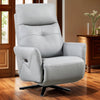
- Pride Mobility Lift Chair: Offers excellent support and lift assist.
- La-Z-Boy Recliners: Known for comfort and durability.
- OFM ESS Collection Mesh Back Office Chair: Good for those who need less assistance.
- Flexispot Ergonomic Office Chair: Provides great lumbar support.
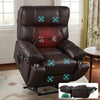
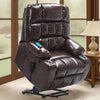
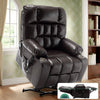
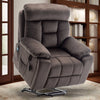
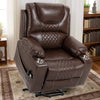
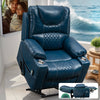
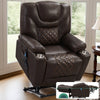
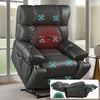
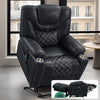
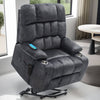
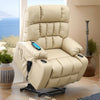
- Comhoma Leather Recliner Chair: Combines comfort with lift assist feature.
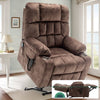
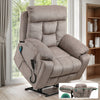
When comparing lift chairs, consider factors like weight capacity and ease of use. Look for chairs with smooth lift mechanisms and sturdy construction.
Implementing Ergonomic Solutions in the United States
Navigating the Healthcare System for Seniors
In the U.S., seniors can access ergonomic chairs through various channels. Medicare may cover part of the cost if the chair is deemed medically necessary. This usually requires a doctor's prescription.

To navigate the system:
- Consult with a doctor about ergonomic needs.
- Get a written prescription if needed.
- Contact Medicare or insurance provider about coverage.
- Research suppliers approved by Medicare or insurance.
Some non-profit organizations also help seniors get necessary equipment. Local senior centers may offer resources or guidance.
Best Practices for Healthcare Providers
Healthcare providers play a key role in helping seniors find the right ergonomic solutions. They should:
- Assess each senior's individual needs.
- Recommend appropriate ergonomic chairs based on health conditions.
- Provide clear instructions on proper use of ergonomic chairs.
- Follow up to ensure the chair is meeting the senior's needs.
- Stay updated on the latest ergonomic solutions for seniors.
Providers should also educate seniors and caregivers about the importance of good posture. They can demonstrate exercises to complement the use of ergonomic chairs.
The Role of Ergonomic Chairs in Home Care and Senior Living Centers
Ergonomic chairs are vital in both home care and senior living centers. In homes, they help seniors maintain independence. They can move around more easily and safely.
In senior living centers, ergonomic chairs:
- Reduce the risk of falls
- Improve residents' comfort and well-being
- Help staff in assisting residents with mobility
- Promote social interaction by making seating more comfortable
Many centers are now investing in ergonomic furniture. This shows a commitment to residents' health and comfort. It can also reduce the workload on care staff.
Families should consider ergonomic chairs when setting up a home care environment. They can make daily activities easier and safer for seniors. This includes tasks like eating, reading, or watching TV.
In conclusion, ergonomic chairs are a valuable tool for seniors. They balance comfort with necessary support. By choosing the right chair, seniors can improve their quality of life. They can stay more active and independent. As the population ages, the importance of ergonomic solutions will only grow.