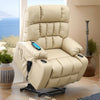


Understanding the Importance of Lift Assists for Senior Mobility
The Rising Demand for Assisted Living Solutions
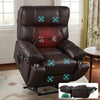
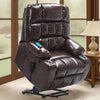
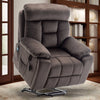
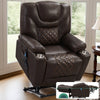
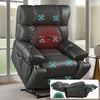
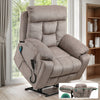
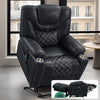
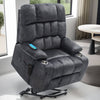
As our population ages, the need for assisted living solutions is growing rapidly. More seniors want to stay independent in their homes. Lift assists are becoming a vital tool in this effort. These devices help older adults move safely and easily. They reduce the risk of falls and injuries. Lift assists come in various forms, from simple handrails to advanced power lift recliners. They can make daily tasks much easier for seniors. This includes getting in and out of bed, using the bathroom, or simply standing up from a chair. The demand for these aids is expected to increase as the elderly population grows.

Benefits of Lift Assists for Elderly Independence
Lift assists offer numerous benefits for seniors seeking to maintain their independence. They provide crucial support for mobility and safety. These aids can significantly reduce the risk of falls, a major concern for older adults. They also help preserve dignity by allowing seniors to perform tasks without constant help from others. Lift assists can ease the physical strain on caregivers too. This leads to better care and less caregiver burnout. Moreover, these devices can boost seniors' confidence in moving around. This encourages more physical activity, which is vital for overall health and well-being.
Assessing the Need: When to Consider a Lift Assist
Knowing when to introduce a lift assist is crucial for senior care. Several signs indicate a need for these devices. Difficulty in standing up from chairs or beds is a clear indicator. Frequent falls or near-falls are another red flag. If a senior struggles with balance or shows increased fear of moving around, it's time to consider a lift assist. Changes in strength or flexibility can also signal the need. It's important to consult with healthcare providers or occupational therapists. They can assess the senior's needs and recommend suitable lift assist options. Early adoption of these aids can prevent accidents and maintain independence longer.
Key Features to Look for in Lift Assists for the Elderly
Safety and Ease of Use
When choosing lift assists for seniors, safety and ease of use are paramount. Look for devices with sturdy construction and non-slip surfaces. These features prevent accidents and provide stability. Easy-to-use controls are essential, especially for seniors with limited dexterity. Some lift assists come with remote controls for added convenience. Safety features like emergency stop buttons and backup power sources are important. Smooth, gentle movements are crucial to prevent jarring or sudden shifts. The lift mechanism should be quiet to avoid startling the user. Clear instructions and simple operation steps are necessary for both seniors and caregivers.

Comfort and Adjustability
Comfort is key when selecting lift assists for the elderly. Look for devices with ample padding and ergonomic design. Adjustable features allow customization for individual needs. This includes height adjustments and reclining options. Some lift chairs offer heated seats or massage functions for extra comfort. The upholstery should be soft yet durable and easy to clean. Breathable materials help prevent skin irritation during extended use. Footrests and armrests should be adjustable for optimal positioning. The ability to accommodate different body types and sizes is crucial. Comfort ensures that seniors will use the lift assist regularly, maximizing its benefits.
Longevity and Maintenance of Lift Assists
Durability is crucial when investing in lift assists for the elderly. Choose devices made from high-quality materials that can withstand daily use. Look for reputable brands with good warranty coverage. Regular maintenance is key to ensuring longevity. This includes cleaning, checking for wear and tear, and prompt repairs. Some lift assists require periodic lubrication or battery replacements. Easy-to-clean surfaces help maintain hygiene and prevent odors. Consider the availability of replacement parts and service options. A lift assist that's easy to maintain will serve seniors better in the long run. It's wise to factor in long-term costs when making a purchase decision.
Implementing Lift Assists in Senior Care Settings
Integration with Existing Senior Services
Integrating lift assists into existing senior care services requires careful planning. Start by assessing the current care environment and identifying areas for improvement. Consult with healthcare professionals to determine the best types of lift assists for each setting. Consider how these devices will work alongside other mobility aids and medical equipment. Train staff on proper use and integration of lift assists into daily care routines. Develop protocols for when and how to use these devices in different scenarios. Ensure that the integration process doesn't disrupt existing care practices. Instead, it should enhance the overall quality of care provided to seniors.

Training Staff on Lift Assist Use
Proper training is essential for the effective use of lift assists in senior care settings. Start with comprehensive instruction on the operation of each type of lift assist. Cover safety procedures, including emergency protocols. Hands-on practice sessions are crucial for staff to gain confidence in using these devices. Address proper body mechanics to prevent caregiver injury during use. Include training on how to assist seniors in and out of lift devices safely. Regular refresher courses help maintain skills and introduce updates or new features. Encourage staff to voice concerns or suggestions about lift assist use. This feedback can lead to improvements in care practices and device selection.
Evaluating the Impact on Elderly Quality of Life
Assessing the impact of lift assists on seniors' quality of life is crucial. Conduct regular surveys to gather feedback from both seniors and caregivers. Look for improvements in mobility, independence, and overall satisfaction. Monitor changes in fall rates and injury incidents after implementing lift assists. Observe any increases in social engagement or activity levels among seniors. Track changes in caregiver stress levels and job satisfaction. Use this data to refine the selection and use of lift assists in care settings. Consider both physical and emotional impacts on seniors' well-being. Regular evaluations help ensure that lift assists continue to meet the evolving needs of elderly residents.