

Understanding the Needs of Elderly Patients for Lift Chairs
Assessing Mobility and Comfort Requirements
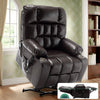
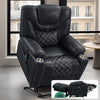
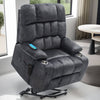
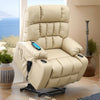
Elderly patients often face mobility challenges that impact their daily lives. Lift chairs can be a game-changer for them. These chairs help seniors stand up and sit down with ease. When choosing a lift chair, consider the patient's specific needs. Look at their height, weight, and any physical limitations they may have.

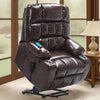
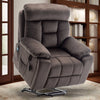
Comfort is key for long-term use. The chair should provide good back support and cushioning. Some seniors may need extra lumbar support or head and neck rests. It's also important to think about the fabric. Soft, breathable materials can prevent skin irritation and pressure sores.
Evaluating the Impact of Lift Chairs on Daily Activities
Lift chairs can greatly improve an elderly person's quality of life. They promote independence by making it easier to get in and out of a seated position. This can boost confidence and reduce the risk of falls. When selecting a chair, think about how it will fit into the senior's daily routine.
Consider activities like watching TV, reading, or napping. Some chairs offer multiple positions to support these tasks. Look for features that enhance daily living, such as side pockets for storing items. The right lift chair can help seniors maintain an active lifestyle within their home.
Addressing Common Pain Points and Disabilities
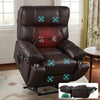
Many elderly individuals deal with chronic pain or disabilities. Lift chairs can help manage these issues. For those with arthritis, look for chairs with smooth lifting mechanisms. This reduces strain on joints during transitions. Seniors with back pain may benefit from chairs with heat and massage features.
For patients with limited hand strength, choose chairs with easy-to-use controls. Large buttons or remote controls can make a big difference. Some chairs even offer voice activation for those with severe mobility issues. Always consider the specific health challenges of the individual when selecting a lift chair.
Key Features to Look for in Electric Lift Chairs for the Elderly
Safety and Reliability: Top Picks from Experts
Safety is paramount when choosing a lift chair for the elderly. Look for chairs with sturdy construction and stable bases. Experts recommend chairs with backup battery systems. These ensure the chair can still function during power outages. Anti-tip mechanisms are also crucial to prevent accidents.

Reliable brands often come with better warranties and customer support. Some top picks from experts include:
- Golden Technologies Comforter Series
- Pride Mobility VivaLift Metro
- La-Z-Boy Pinnacle Platinum Luxury-Lift
These chairs are known for their safety features and dependable performance. Always check for certifications and safety standards compliance when making your choice.
Ease of Use and User-Friendly Design
User-friendly design is essential for elderly users. Controls should be simple and intuitive. Look for chairs with clearly marked buttons and easy-to-read instructions. Some chairs offer wireless remotes, which can be helpful for those with limited reach.
The lifting mechanism should be smooth and quiet. This reduces stress and discomfort during transitions. Consider chairs with programmable memory settings. These allow users to save their preferred positions for easy recall.
Footrests should extend fully to support the legs and feet. Some chairs offer independent footrest control, which can be beneficial for users with specific leg comfort needs.
Durability and Maintenance Considerations
Durability is key for long-term use and value. Look for chairs with high-quality materials and solid construction. Steel frames and reinforced lifting mechanisms tend to last longer. The upholstery should be stain-resistant and easy to clean.
Consider the ease of maintenance when choosing a lift chair. Some features to look for include:
- Removable back cushions for easy cleaning
- Washable or replaceable covers
- Easy access to mechanical parts for servicing
Regular maintenance can extend the life of the chair. Choose a model that allows for easy routine checks and cleaning. This will help ensure the chair remains functional and hygienic over time.
The Future of Elderly Care: Innovative Lift Chair Solutions
Exploring Smart Technology in Lift Chairs
Smart technology is revolutionizing lift chairs for the elderly. New models incorporate features that enhance safety and comfort. For example, some chairs now have built-in fall detection systems. These can alert caregivers if the user falls or remains inactive for too long.

Voice control is becoming more common in high-end models. This allows users to adjust positions without using their hands. Some chairs even connect to smart home systems. This integration can control lighting or temperature as the chair moves.
Emerging technologies include:
- Biometric sensors to monitor health metrics
- AI-powered posture correction
- Customizable pressure relief systems
These advancements aim to make lift chairs more than just mobility aids. They're evolving into comprehensive care solutions for the elderly.
Navigating Regulations and Standards in the United States
In the US, lift chairs are classified as durable medical equipment (DME). This means they must meet certain standards for safety and effectiveness. The Food and Drug Administration (FDA) oversees these regulations. When choosing a lift chair, look for FDA approval.
Medicare may cover part of the cost of a lift chair if it's deemed medically necessary. To qualify, the chair must meet specific criteria. It's important to work with healthcare providers to ensure compliance with these rules.
Key regulations to consider include:
- Electrical safety standards
- Weight capacity limits
- Fire resistance requirements
Always check that the chosen lift chair meets or exceeds these standards. This ensures both safety and potential insurance coverage.
Implementing Lift Chairs in Long-Term Care Facilities
Long-term care facilities are increasingly adopting lift chairs as part of their care strategies. These chairs can reduce the workload on staff while improving resident comfort. When implementing lift chairs in these settings, several factors must be considered.
Space planning is crucial. Facilities need to ensure enough room for chair operation and caregiver access. Training staff on proper use and maintenance of the chairs is also important. This helps maximize the benefits and longevity of the equipment.
Some facilities are creating dedicated relaxation areas with lift chairs. These spaces can promote social interaction among residents. They also provide a comfortable spot for family visits.
As technology advances, lift chairs may play an even larger role in facility care plans. They could become central to personalized care strategies, enhancing both comfort and monitoring capabilities.