

Understanding the Impact of Power Recliners on Elderly Mobility
The Evolution of Mobility in the Elderly Population
Mobility has become a key focus in elderly care. As people age, their ability to move freely often declines. This can lead to a loss of independence and quality of life. In recent years, there's been a shift towards finding solutions that help seniors stay mobile and active. Power recliners have emerged as a valuable tool in this effort. They offer a way for older adults to maintain comfort and independence in their daily lives. These chairs have evolved from simple comfort devices to advanced mobility aids. They now play a crucial role in supporting the aging population's needs.
Key Features of Power Recliners That Enhance Mobility
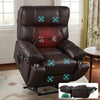
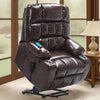
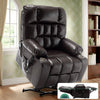
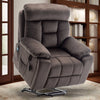
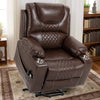
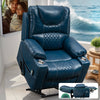
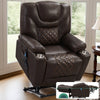
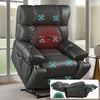
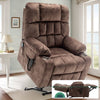
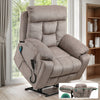
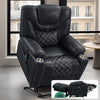
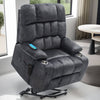
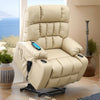
Power recliners come with several features that boost mobility for seniors. First, they have motorized controls. This allows users to adjust the chair's position with ease. Many models offer lift functions. These help seniors stand up or sit down safely. Some chairs have heat and massage options. These features can ease muscle pain and improve circulation. Advanced models may include memory settings. Users can save their preferred positions for quick adjustments. Remote controls make operation simple, even for those with limited dexterity. USB ports are common, letting seniors charge devices while seated. These features combine to create a chair that supports independence and comfort.
Power Recliners vs. Traditional Recliners: Benefits and Drawbacks
Power recliners offer clear advantages over traditional models for elderly users. They provide effortless position changes, reducing strain on joints and muscles. The lift feature aids in safe transitions between sitting and standing. This can prevent falls, a major concern for seniors. Power recliners often have more adjustment options, allowing for better ergonomic support. However, they do have some drawbacks. They're generally more expensive than manual recliners. They require electricity to function, which can be a concern during power outages. Power recliners are also heavier and less easy to move. Despite these issues, the benefits often outweigh the drawbacks for elderly users needing mobility assistance.
Expert Insights on Power Recliners and Aging Care
The Importance of Ergonomics in Power Recliners for Elderly Care
Experts stress the crucial role of ergonomics in power recliners for seniors. Good ergonomic design supports proper posture and reduces pain. It can prevent pressure sores, a common issue for those with limited mobility. Ergonomic features include lumbar support, adjustable headrests, and proper seat depth. These elements ensure that the body is well-supported in various positions. Experts recommend recliners with multiple adjustment points. This allows for customization to each user's body type and needs. Proper ergonomics can improve circulation, reduce joint stress, and enhance overall comfort. It's not just about comfort, but about maintaining health and preventing further mobility issues.

Enhancing Quality of Life with Power Recliners in Care Settings
Power recliners have shown significant benefits in care settings. They promote independence, allowing residents to change positions without assistance. This can boost self-esteem and reduce the workload on caregivers. In nursing homes, these chairs can help prevent bedsores by encouraging movement. They also support social interaction, as residents can easily adjust to comfortable positions for conversations. Some facilities report reduced medication use for pain management after introducing power recliners. These chairs can also aid in recovery after surgery or illness. By providing comfort and support, power recliners contribute to an improved quality of life for many seniors in care settings.
Innovations in Power Recliner Design for Improved Elderly Mobility
Recent innovations in power recliner design focus on enhancing elderly mobility. Some new models feature smart technology that learns user preferences over time. Others incorporate sensors that detect user movement and adjust automatically. Voice-activated controls are becoming more common, benefiting those with limited hand mobility. Some recliners now offer built-in exercise programs to promote gentle movement. Designers are also working on lighter, more portable power recliners. These could be easier to move between rooms or during travel. Advanced materials are being used to create more durable, easier-to-clean surfaces. These innovations aim to make power recliners even more effective tools for supporting elderly mobility and independence.
Navigating the Market: Power Recliners for Aging Care in the United States
What to Look for in a Power Recliner for Elderly Use
When choosing a power recliner for elderly use, several factors are important. First, consider the ease of operation. Controls should be simple and accessible. Look for chairs with smooth, quiet motors to avoid startling users. Check the weight capacity to ensure it's suitable for the intended user. The chair's size should fit the user and the room space available. Look for durable, easy-to-clean fabrics that can withstand daily use. Safety features like battery backup are crucial in case of power outages. Consider models with heat and massage for added comfort. The lift mechanism should be stable and strong enough to support the user safely. Finally, check for warranty and service options to protect your investment.

The Future of Aging Care: Trends and Predictions for Power Recliners
The future of power recliners in aging care looks promising. Experts predict more integration with smart home systems. This could allow for voice control and automated adjustments based on user habits. We may see recliners with built-in health monitoring features. These could track vital signs and alert caregivers to potential issues. Virtual reality integration could provide immersive experiences for users with limited mobility. Advances in materials science may lead to lighter, stronger chairs. Some predict the development of modular designs that can be easily customized. As the aging population grows, we can expect continued innovation in this field. The goal will be to create recliners that not only aid mobility but also enhance overall well-being.
Selecting the Right Power Recliner: A Buyer's Guide
Choosing the right power recliner involves careful consideration. Start by assessing the user's specific needs and mobility level. Measure the space where the chair will be placed to ensure a good fit. Test different models in person if possible. Pay attention to the ease of getting in and out of the chair. Check that the controls are easy to understand and operate. Consider the chair's weight limit and ensure it can support the user safely. Look at the range of positions available and how smoothly the chair moves between them. Don't forget to factor in the cost of delivery and setup. Some companies offer in-home trials, which can be helpful. Remember to check for warranties and after-sales support. By considering these factors, you can find a power recliner that best suits the user's needs and enhances their quality of life.