

The Impact of Power Lifting Chairs on Mobility and Quality of Life for the Elderly
Understanding the Mechanics of Power Lifting Chairs
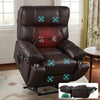
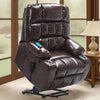
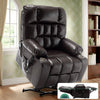
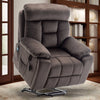
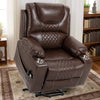
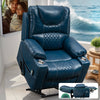
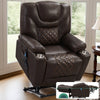
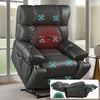
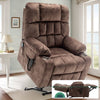
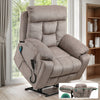
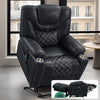
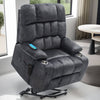
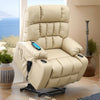
Power lifting chairs are innovative devices designed to assist the elderly in standing up and sitting down. These chairs use a motorized mechanism to tilt forward and upward. This motion gently lifts the user to a near-standing position. The key components include a sturdy frame, comfortable padding, and a powerful motor. The motor is controlled by a simple remote, making it easy for seniors to operate. Some models also feature additional functions like heat and massage for extra comfort. The chair's design focuses on safety, with stable bases and smooth, controlled movements to prevent falls.

How Power Lifting Chairs Can Improve Elderly Mobility
Power lifting chairs significantly enhance elderly mobility by reducing the physical strain of standing up. For seniors with weakened muscles or joint pain, this assistance is crucial. It allows them to move more freely without fear of falling. These chairs encourage independence, enabling older adults to stand up without help from others. This increased mobility can lead to more active lifestyles. Seniors may feel more confident in performing daily tasks or engaging in social activities. The chairs also help prevent muscle atrophy by promoting regular movement. By making standing easier, they indirectly encourage more physical activity throughout the day.
Enhancing Quality of Life with Power Lifting Assistance
Power lifting chairs contribute greatly to improving the quality of life for elderly individuals. They provide comfort and security, reducing anxiety about falls or getting stuck in a seated position. This peace of mind can boost mental well-being and reduce stress. The chairs allow seniors to maintain their dignity by reducing reliance on caregivers for basic movements. They can enjoy their favorite activities, like reading or watching TV, without worrying about getting up. The added independence often leads to improved self-esteem and a more positive outlook. For those with chronic pain, the gentle lifting motion can be less painful than manual standing. This can result in better pain management and overall comfort in daily life.
Evaluating the Effectiveness of Power Lifting Chairs in Senior Independent Living
Key Features to Look for in a Power Lifting Chair
When choosing a power lifting chair, several key features should be considered:

- Lifting Capacity: Ensure the chair can support the user's weight.
- Speed Control: Adjustable lifting speed for comfort and safety.
- Battery Life: Long-lasting battery for uninterrupted use.
- Comfort: Adequate padding and support for extended sitting.
- Size: Proper fit for the user and the room.
- Remote Control: Easy-to-use, large buttons for seniors.
- Safety Features: Emergency stop button and smooth operation.
- Additional Functions: Heat, massage, or reclining options for added comfort.
- Durability: Strong construction for long-term use.
- Ease of Maintenance: Simple cleaning and servicing requirements.
These features ensure the chair meets the specific needs of elderly users, promoting safety and comfort.
Case Studies: Elderly Independence Success Stories
Many seniors have found newfound independence with power lifting chairs. For example, Mary, 78, struggled with arthritis. Her new chair allowed her to continue living alone, maintaining her garden hobby. John, 85, feared falling when standing from his favorite armchair. A power lifting chair restored his confidence in moving around his home. Sarah, 70, with Parkinson's disease, regained the ability to join family dinners independently. These stories highlight how power lifting chairs can significantly improve daily life for the elderly. They show that with the right support, seniors can maintain their independence and continue enjoying their favorite activities.
The Role of Power Lifting Chairs in Home Care
Power lifting chairs play a crucial role in home care for the elderly. They reduce the physical demands on caregivers, lowering the risk of injury during transfers. This can lead to better overall care and less caregiver burnout. The chairs allow seniors to perform some tasks independently, freeing up caregivers for other important duties. They can be part of a comprehensive home care plan, working alongside other assistive devices. Power lifting chairs also contribute to fall prevention, a major concern in elderly care. By providing stable support during sit-to-stand transitions, they help create a safer home environment.
Future Trends in Power Lifting Chairs and Technology for Elderly Care
Innovations in Power Lifting Chairs for Increased Efficiency
Future power lifting chairs are set to become even more efficient and user-friendly. Designers are working on lighter, more portable models for easier home integration. Some chairs may include advanced sensors to detect user position and adjust automatically. Voice control features could make operation simpler for those with limited hand mobility. Enhanced ergonomics will provide better support and comfort during extended use. Energy-efficient motors and improved battery technology will offer longer use between charges. These innovations aim to make power lifting chairs more adaptable to various user needs and home environments.

The Intersection of IoT and AI in Power Lifting Aids
The Internet of Things (IoT) and Artificial Intelligence (AI) are set to revolutionize power lifting aids. Smart chairs could connect to home systems, adjusting lighting or temperature as the user stands. AI algorithms might learn user patterns, predicting when lifting assistance is needed. This could lead to proactive care, with chairs alerting caregivers to changes in user behavior. IoT connectivity could enable remote monitoring by healthcare professionals. AI could also optimize chair performance, adjusting settings based on user health data. These advancements promise to make power lifting chairs an integral part of smart home healthcare systems for the elderly.
Future Outlook: Empowering Elderly Independence with Advanced Technologies
The future of elderly care looks promising with advanced technologies in power lifting chairs. We may see chairs that integrate health monitoring features, tracking vital signs and movement patterns. Virtual reality could be incorporated, offering immersive experiences for chair-bound seniors. Robotic assistance might evolve, with chairs that can move around the home autonomously. 3D printing could allow for fully customized chairs, tailored to individual body shapes and needs. As technology progresses, power lifting chairs will likely become more affordable and accessible. This could lead to wider adoption, significantly improving quality of life for seniors worldwide. The goal remains clear: empowering elderly independence through innovative, supportive technologies.