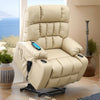


Introduction to Lift Assists for the Elderly
The Importance of Ease of Mobility for Older Adults
As we age, mobility becomes a key concern. It affects daily life and independence. Older adults often struggle with sitting down or standing up. This can lead to a loss of freedom and confidence. Lift assists are crucial tools. They help maintain autonomy and safety. These devices reduce the risk of falls. They also ease the strain on joints and muscles. For many seniors, lift assists are not just helpful. They are essential for quality of life. They allow older adults to move freely in their homes. This freedom is vital for physical and mental well-being.

Historical Overview of Lift Chairs and Revolaine's Innovation
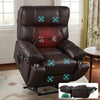
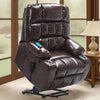
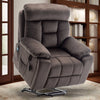
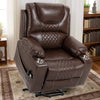
Lift chairs have been around for decades. They started as simple mechanical devices. Early models used springs and levers. These helped push users to a standing position. Over time, they evolved. Electric motors made them more powerful and smooth. Traditional lift chairs became common in many homes. They offered comfort and assistance. However, they had limitations. Enter Revolaine's innovation. This company saw room for improvement. They reimagined the lift assist concept. Revolaine focused on natural movement. Their design mimics how people naturally stand up. This approach marked a significant shift in lift assist technology. It promised more comfort and effectiveness for users.
Comparative Analysis of Revolaine Lifts and Traditional Lift Chairs
Evaluating the Ease of Use and Comfort
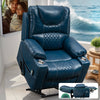
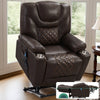
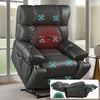
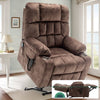
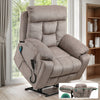
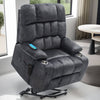
Revolaine lifts and traditional lift chairs both aim to help. But they differ in how they work. Traditional chairs use a tilting mechanism. This pushes the user forward and up. It can feel abrupt or unnatural. Revolaine lifts, on the other hand, use a different approach. They mimic the body's natural standing motion. This feels more comfortable for many users. Traditional chairs often require users to adjust their position. Revolaine lifts adapt to the user's movements. This makes them easier to use for some people. Comfort is also a key factor. Traditional chairs can be bulky. They may not fit well in all spaces. Revolaine lifts are often more compact. They can blend better with existing furniture.

Assessing the Design and Technology Behind Revolaine Lifts
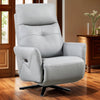
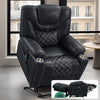
Revolaine lifts represent a leap in design. They use advanced sensors and motors. These components work together to create smooth motion. The lifts analyze the user's position and weight. They then adjust their support accordingly. This personalized approach is a key feature. It makes each use tailored to the individual. The technology also allows for a wider range of motion. Users can stop at any point during the lift. This gives more control and comfort. Traditional chairs often have preset positions. Revolaine's design focuses on mimicking natural movement. This can reduce strain on the body. It may also help maintain muscle strength over time. The sleek design of Revolaine lifts is also noteworthy. They often look more modern than traditional lift chairs.
Understanding the Cost-Benefit Ratio of Revolaine vs. Traditional Lift Chairs
Cost is a major factor in choosing lift assists. Traditional lift chairs are often less expensive upfront. They have been on the market longer. This has led to more competitive pricing. Revolaine lifts, being newer, can be pricier. However, the cost-benefit analysis goes beyond initial price. Revolaine lifts may offer more long-term value. Their design could lead to fewer health issues over time. This might mean savings on medical costs. Traditional chairs, while cheaper, may not provide the same benefits. The durability of each option is also important. Revolaine's technology might last longer with less wear. Traditional chairs may need replacement sooner. Energy efficiency is another consideration. Newer technology in Revolaine lifts might use less power. This could lead to lower electricity bills over time.
The Impact of Lift Assists on Elderly Mobility and Independence
How Lift Assists Influence the Quality of Life for Older Adults
Lift assists have a profound impact on seniors' lives. They restore a sense of independence. This is crucial for mental health and well-being. Older adults can move freely without fear of falling. This confidence extends to other activities. They may become more social and active. Lift assists reduce reliance on caregivers for basic tasks. This preserves dignity and autonomy. It also eases the burden on family members. The ability to sit and stand easily affects daily routines. Seniors can enjoy meals, read, or watch TV with more comfort. This improves overall quality of life. Lift assists also promote better posture and movement. This can have positive effects on physical health. Regular, safe movement helps maintain muscle strength and flexibility.

Case Studies: Success Stories of Elderly Mobility Improvements
Many seniors have seen life-changing results with lift assists. Take Mary, age 78, who struggled with arthritis. A Revolaine lift helped her regain independence. She now moves easily between sitting and standing. This improved her daily life and mood. John, 82, had a traditional lift chair for years. Switching to a Revolaine lift reduced his back pain. He found the natural motion more comfortable. Sarah, 70, was hesitant about needing help. The discreet design of her Revolaine lift eased her concerns. She now uses it confidently at home. These stories show the real-world impact of lift assists. They highlight how the right device can transform lives. Improved mobility often leads to better overall health outcomes. It allows seniors to stay active and engaged in their communities.
Future Trends in Lift Assist Technologies for the Elderly
The future of lift assist technology looks promising. We're seeing a trend towards smarter, more adaptive devices. AI and machine learning may play bigger roles. These could allow lifts to learn and predict user needs. Integration with smart home systems is another possibility. Lifts could work with other devices for comprehensive care. Materials science advances may lead to lighter, stronger lifts. This could make them even more portable and versatile. We might see more focus on aesthetic design. Future lifts could blend seamlessly with home decor. Energy efficiency will likely continue to improve. This could make lifts more affordable to run long-term. As the population ages, demand for these technologies will grow. This could drive faster innovation and more options for consumers. The goal remains clear: to enhance independence and quality of life for older adults.